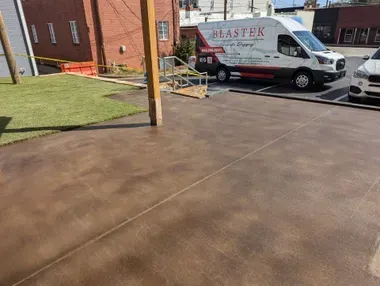
Pool Deck Resurfacing

June 30, 2026

Pool Deck Resurfacing in South Carolina: Options, Costs & What to Expect
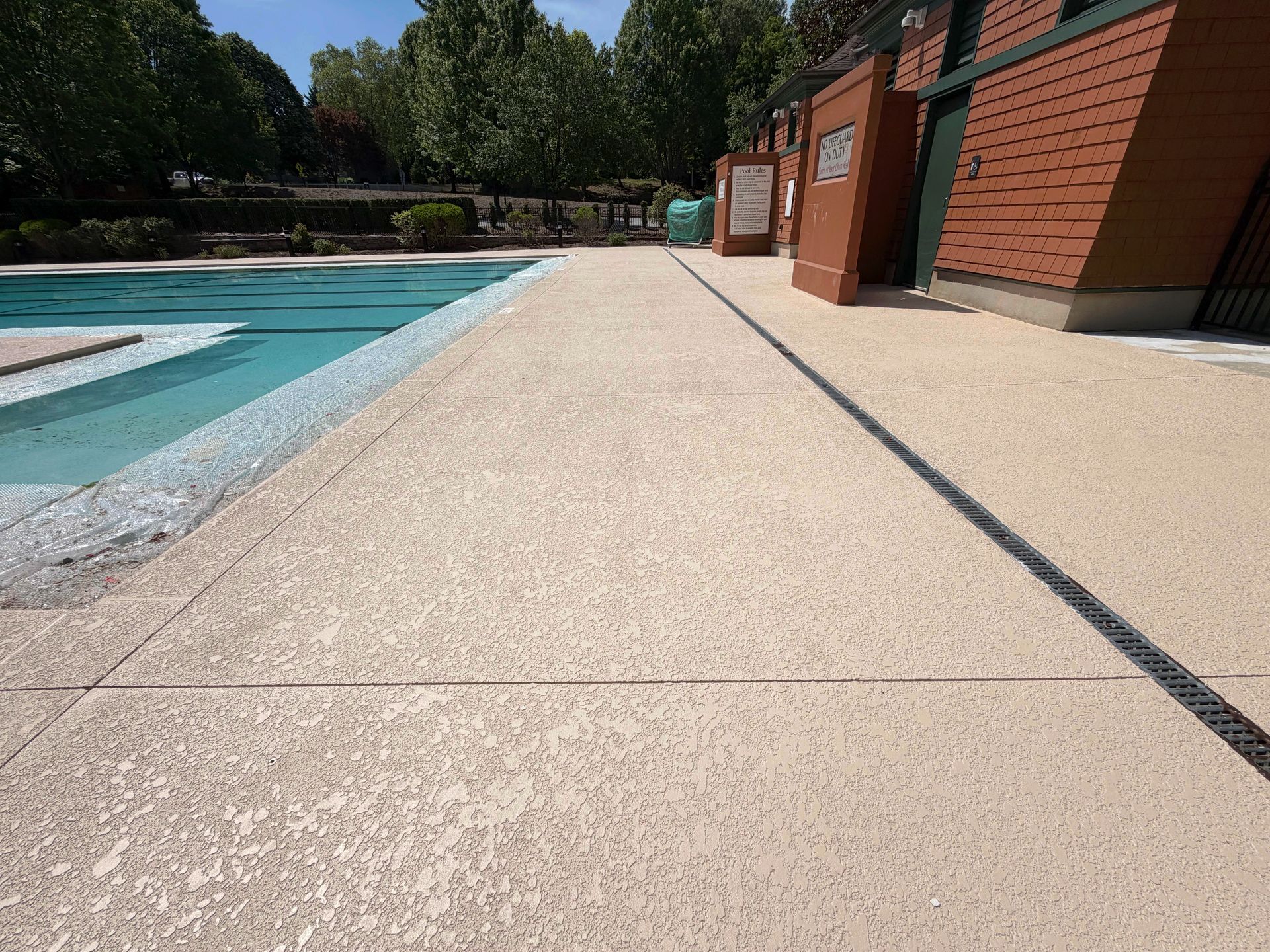
By the time July hits in the Upstate, every pool owner from Spartanburg to Greenville is using their deck daily, and the flaws show. Hairline cracks from years of freeze-and-thaw. Faded, chalky concrete that bakes hot underfoot. Slick spots near the steps where the surface has worn smooth. A pool deck takes a constant beating from sun, chlorine, and moisture, and South Carolina's heat and humidity speed all of it up.


We're Blastek Concrete Designs, a father-and-son team out of Spartanburg with 15 years resurfacing and finishing existing concrete. We don't pour new decks; we restore the one you've got. We've resurfaced pool decks from Roebuck to the swim club at Biltmore Park, and this is the honest rundown of your options, what they cost, and what to expect when you resurface.


What Pool Deck Resurfacing Actually Is

Resurfacing means restoring your existing deck rather than tearing it out. We clean and prep the surface, repair cracks and damage, then apply an overlay, coating, or decorative finish on top, and seal it. You keep your slab and its footprint; what changes is the surface you walk on, how it looks, and how it holds up.

For most decks showing their age, this is the smart spend. Full replacement means demo, haul-off, and a new pour, all of which cost far more than restoring a structurally sound slab.


Your Pool Deck Finish Options

There's no single "best" finish; it depends on your look, your budget, and how the deck gets used. The main options we install:


Standard Concrete Resurfacing

A high-strength overlay that renews a worn deck with a clean, even surface. The most budget-friendly way to get years back out of an aging deck.


Stained or Colored Finishes

Adds color and character while keeping a natural concrete texture. A good middle-ground for homeowners in Boiling Springs or Inman who want a custom look without the top-tier price.


Stamped Concrete Overlays

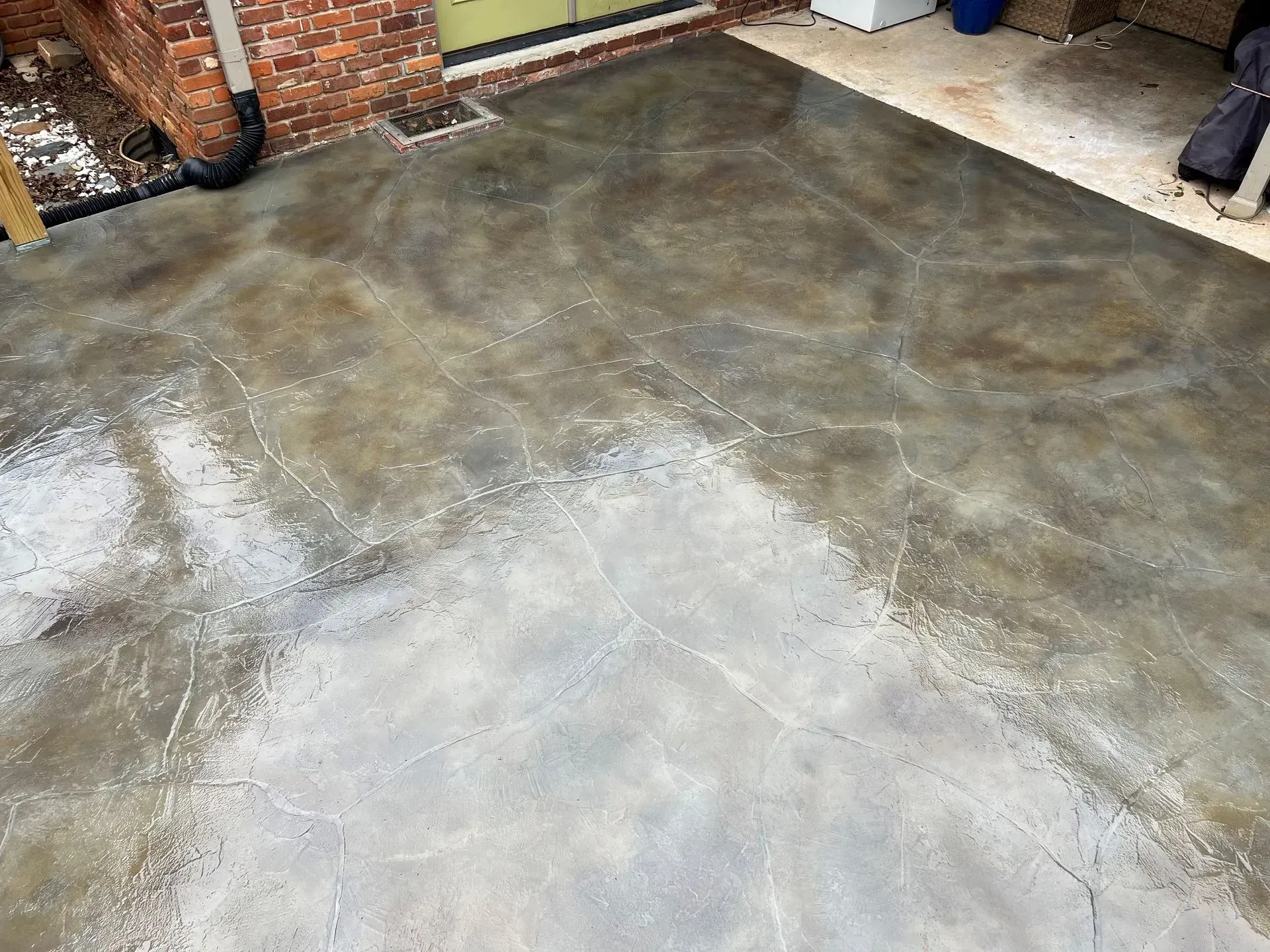
Replicates the look of stone, brick, or wood pavers without the maintenance. This is the premium decorative option and sits at the top of the price range.


Epoxy and Rubber Coatings

Add comfort underfoot, slip resistance, and color. Strong choices for families focused on safety around the water.


What Pool Deck Resurfacing Costs in South Carolina

Cost depends on the finish, the size of the deck, and the condition of your concrete. Real working ranges for the Upstate:

  • Standard concrete resurfacing: $6 – $12 per square foot
  • Stained or colored: $8 – $15 per square foot
  • Stamped concrete overlay: $10 – $20 per square foot
  • Repairs and crack filling: $10 – $18 per square foot

A straightforward resurfacing sits at the low end; decorative stamped work lands at the top. The condition of your slab matters too. A deck with significant cracking or settling needs more repair before any finish goes down, which moves the number. The only way to get an exact figure is an on-site look.


How Long It Lasts in Upstate Heat

This is where doing it right pays off. A professionally resurfaced pool deck lasts 15 to 25 years or more with proper maintenance. The key word is professionally. The Upstate's brutal combination of summer UV, humidity, and winter freeze-thaw cycles will find every shortcut.

What shortens a deck's life:

  • Skipped or rushed surface prep, so the new finish never bonds properly.
  • No proper crack repair before resurfacing, so old cracks telegraph straight through.
  • A sealer that isn't UV-rated, leading to fast fading in full South Carolina sun.
  • No slip-resistant additive in wet zones, which is a safety problem, not just a wear one.

Safety and Slip Resistance Around the Water

A pool deck is one place where finish choice is a genuine safety decision, not just looks. We engineer our textured surfaces and coatings to meet recognized slip-resistance standards, so the deck keeps its grip even when wet. For families with kids running between the pool and the house in Greer, Lyman, or Woodruff, that traction matters more than any color choice.

We also resurface in line with South Carolina pool regulations, so the work meets state safety standards and you avoid headaches down the line.


What to Expect During the Project

Most pool deck resurfacing runs 2 to 5 days, longer for complex stamped work. Here's the sequence:

  1. Inspection and consultation — we assess your deck's condition and talk through finishes.
  2. Surface prep and cleaning — clean, level, and remove old coatings.
  3. Crack and damage repair — fill, lift, and level for a sound base.
  4. Coating or overlay application — your chosen finish goes down.
  5. Sealing and finishing — a protective sealer adds color depth, slip resistance, and lifespan.

Plan for at least 24 to 48 hours of cure before light use. We give you a realistic timeline up front so you can plan around it.


How Blastek Approaches Pool Decks Across the Upstate

Whether it's a standard resurfacing in Roebuck or a stamped overlay for a backyard in Spartanburg, our process starts with looking at your actual slab and finishes with a sealed, slip-resistant surface built for South Carolina weather. We serve Spartanburg, Greenville, Boiling Springs, Inman, Lyman, Woodruff, and across the Upstate, and we'll tell you honestly when a simple resurfacing is all you need.


Get a Free Estimate for Pool Deck Resurfacing

If your deck is cracked, faded, or slick heading into pool season, let's get it sorted before the hottest months. Give Toby and the team a call at (864) 266-8841 for a free on-site estimate, or reach us through our contact page. We'll assess your deck, walk you through finish and safety options, and give you a straight number.
August 12, 2026
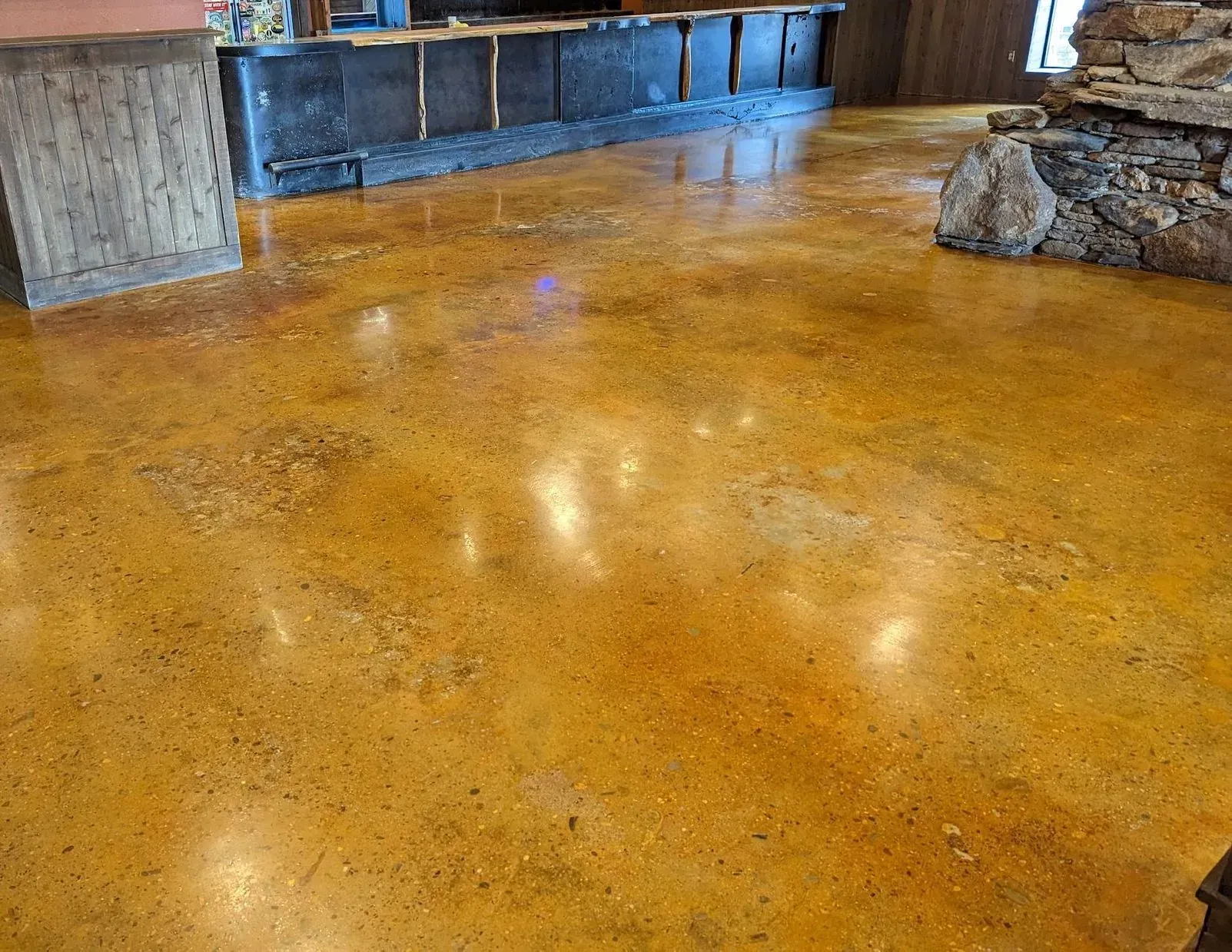
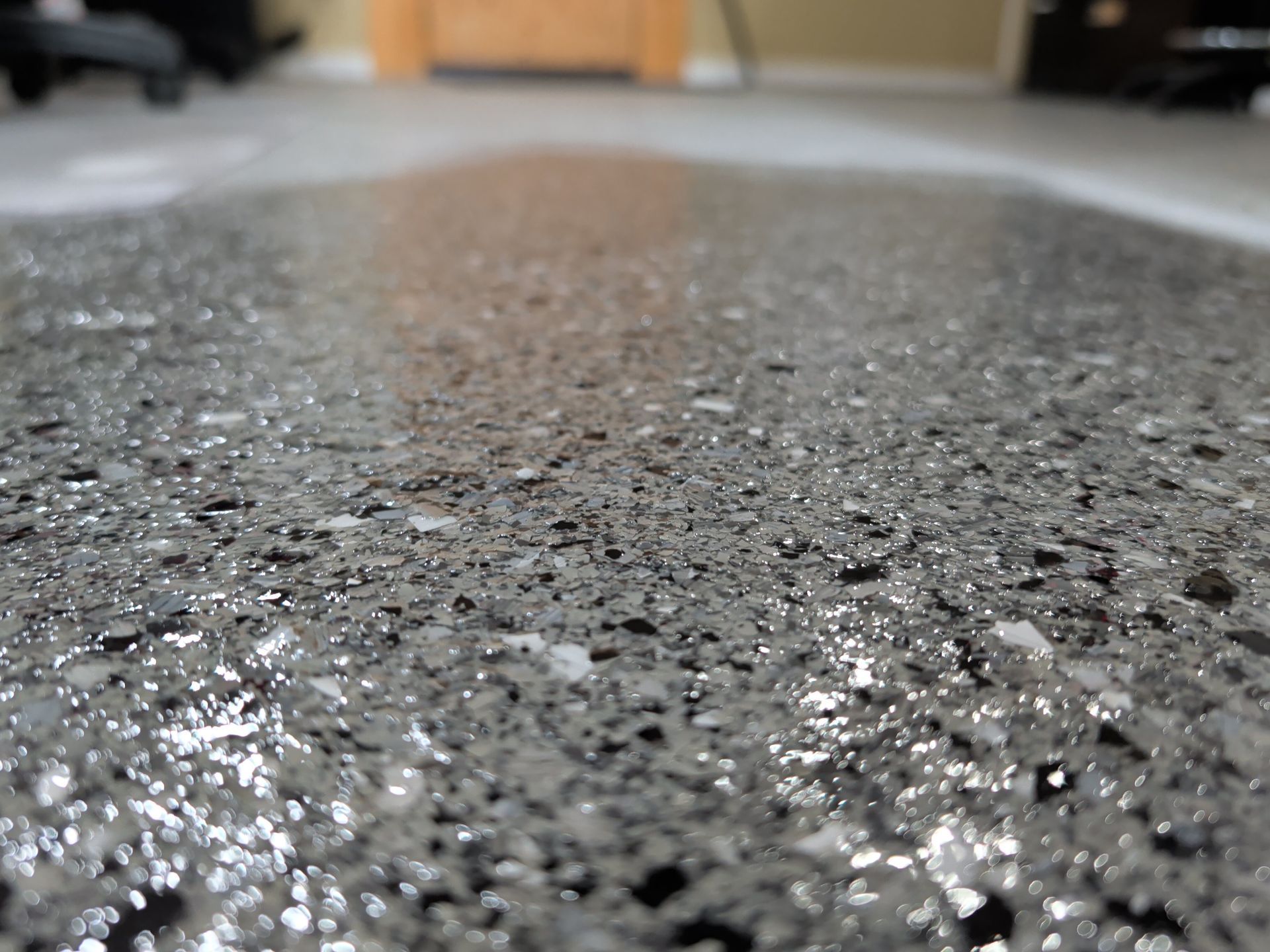
Concrete staining has become one of the most requested floor upgrades for commercial spaces across Spartanburg, Boiling Springs, Greer, and the surrounding Upstate. Retail stores, office buildings, restaurants, event venues, and medical practices are all moving away from VCT and tile toward stained concrete — and for good reason. Done right, it's durable, low-maintenance, and looks like it belongs in a space that was designed with intention. But commercial staining is different from residential staining in ways that matter. A homeowner staining a basement or patio has more margin for error. A business owner staining 3,000 square feet of retail floor in a space that opens to customers in two weeks does not. Here's what to understand before committing to commercial stained concrete in the Upstate. Why Commercial Floors Are a Different Problem Residential concrete staining is mostly about aesthetics and light use. Commercial staining has to account for a set of demands that residential floors rarely face: Foot traffic volume — a retail floor with hundreds of customers daily will wear the sealer differently than a home patio that sees foot traffic on weekends Rolling loads — carts, dollies, hand trucks, and office chairs on wheels all stress the sealer and surface in ways foot traffic doesn't Chemical exposure — cleaning crews in commercial spaces use stronger disinfectants and floor cleaners than most homeowners use, and the wrong sealer breaks down under repeated exposure Health and safety requirements — commercial floors may need to meet slip-resistance standards, especially in food service, medical, or public-access spaces Schedule pressure — most commercial projects have a hard reopening date, which means install timing, cure time, and reoccupancy windows have to be planned precisely A stained concrete contractor who works primarily on residential patios and garages may not have experience managing all five of those variables simultaneously. It's worth asking specifically about commercial project history before signing anything. What Concrete Staining Actually Does to a Commercial Floor Staining doesn't add a new surface on top of your floor — it changes the color of the existing concrete and seals it. Acid stain chemically reacts with the minerals in the slab to produce rich, mottled, earth-toned color that's unique to your specific concrete. Water-based stain bonds to the surface and gives more predictable, uniform color across a wider palette. Either way, the result is still concrete — just colored and sealed. There's no coating to peel, no grout lines to stain, no seams to lift. The sealer wears over time in high-traffic areas, but a commercial-grade sealer maintained with periodic re-application extends the floor's life significantly. Our concrete staining work in commercial spaces uses sealer systems matched to the traffic volume and cleaning program — not the same products we'd put on a residential patio. What the Slab Condition Actually Determines More than almost any other variable, the condition of the existing slab determines whether commercial staining is the right call and what it will cost. Staining works best on slabs that are structurally sound, relatively clean, and free of heavy contamination. Commercial slabs often have years of forklift traffic, oil drips, old adhesive from previous flooring, or VCT tile residue that has to be addressed before staining can begin. We grind the surface to open it up and remove contamination — the stain bonds to clean, properly prepared concrete, not to whatever was on top of it before. If the slab has significant cracking, spalling, or uneven areas, those can often be addressed with grinding and patching before staining — but they have to be disclosed upfront in the quote. A stained floor highlights everything in the slab, for better or worse. A mottled, character-rich acid stain can actually incorporate minor variation beautifully. Major crack repairs or patches will show through. Our concrete grinding and sealing process always comes before staining on any commercial project — it's what makes the color application uniform and the bond reliable. Choosing the Right Stain System for Your Space Acid Stain The classic commercial look. Rich, layered, earth-toned color that reads as sophisticated and intentional. No two floors look the same — the variation is part of the appeal. Most common in restaurants, event spaces, boutique retail, and professional offices that want a distinctive aesthetic. Water-Based Stain More color options, more predictable results. If you need a specific color that matches a brand palette — a corporate office with brand standards, a retail chain with a signature look — water-based stain gives you more control. The finish is slightly more uniform than acid stain, which some commercial clients prefer. Grind, Stain, and Seal vs. Stain and Seal Some commercial projects need a full grind before staining to remove old coatings or contamination and level the surface. Others — newer slabs or slabs in good condition — can be prepped with lighter work. The right approach depends entirely on what the slab looks like on the day we assess it, which is why the on-site walkthrough matters before any quote is finalized. What to Ask Before Signing a Commercial Staining Contract Have you done commercial staining projects at this scale before? — ask to see specific commercial references, not just residential work What sealer are you using, and is it rated for commercial traffic? — residential sealers don't hold up in commercial environments; commercial-grade systems cost more but perform differently What's the cure and reoccupancy timeline? — most stain-and-seal systems need 24-48 hours before foot traffic and 72+ hours before heavy loads; make sure the schedule accounts for this How will you handle existing contamination on the slab? — this tells you whether the contractor actually assessed the slab or is bidding blind What does the warranty cover, and does it exclude improper cleaning products? — cleaning with the wrong products voids most sealer warranties; you need to know what cleaning protocol to follow What's the maintenance program going forward? — commercial stained concrete needs periodic re-sealing (typically every 2-5 years depending on traffic); the quote should include what that looks like What Commercial Staining Costs in the Upstate For most commercial staining projects in Spartanburg and the surrounding area, expect pricing in the range of $3 to $7 per square foot for a quality stain-and-seal system, depending on slab condition, stain type, and the scope of prep required. Projects with significant contamination removal, crack repair, or multiple color applications run toward the higher end. A 2,000 sq ft retail floor typically falls between $6,000 and $14,000. Larger spaces scale down per square foot as the setup overhead spreads further. How Blastek Approaches Commercial Staining We've done commercial staining work in Spartanburg, Greer, Boiling Springs, Inman, Blacksburg, and across the Upstate — office buildings, restaurants, event spaces, and retail floors. Every commercial project starts with a slab assessment before we quote anything. We look at the existing condition, identify contamination, and specify the right system for the traffic and cleaning program the space will actually have. We don't give the same sealer to a restaurant floor and a professional office — the environments are too different. As a father-and-son team with more than 15 years in the business, we've built most of our commercial work through referrals from clients who saw what we did somewhere else and called us. That reputation matters more to us than any single job. Get a Free Estimate for Your Spartanburg Commercial Floor Give Toby a call at (864) 266-8841 or reach out through our contact page . On-site assessments and estimates are free across Spartanburg, Greer, Boiling Springs, Inman, and the broader Upstate.
August 5, 2026
Warehouse & Industrial Floor Coatings in Spartanburg, SC 
July 29, 2026
Concrete Staining Color Options: Choosing the Right Look for Your Space
July 24, 2026
How Long Do Concrete Coatings Last in Upstate SC's Climate?
July 15, 2026
Grind and Seal vs. Full Resurfacing: Fixing Worn Concrete Without Replacing It
July 9, 2026
Healthcare & Medical Facility Floor Coatings in the Upstate
June 25, 2026
Epoxy Floor Coatings for Upstate SC Breweries & Restaurants
June 17, 2026
Polished Concrete vs. Epoxy Coating: Which Is Right for Your Spartanburg Garage?
June 11, 2026
How Much Does Epoxy Garage Floor Coating Cost in the Upstate, SC? 
June 11, 2026
What Is Concrete Engraving? Why Spartanburg Property Owners Are Choosing It