Concrete Staining Color Options for Upstate SC Homes & Businesses
Concrete Staining Color Options: Choosing the Right Look for Your Space
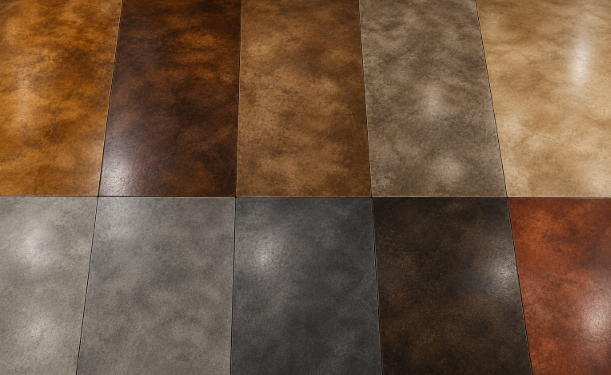
Stained concrete is one of the most underrated upgrades a homeowner or business owner in Greenville can make. For a fraction of what tile or hardwood costs, you can take a plain gray slab and give it rich, permanent color that won't peel or chip the way paint does. But "stained concrete" covers a wide range of looks, and the color and method you choose make all the difference between a floor you love for decades and one that disappoints.
We're Blastek Concrete Designs, a father-and-son team out of Spartanburg with 15 years staining and finishing existing concrete across the Upstate. We don't pour slabs; we bring color and life to the ones you already have. Here's a straight guide to your stain options, the color families to choose from, and how to land on the right look for your space.
First, the Two Main Types of Stain
Before color, you're choosing a method, and the two work very differently.
Acid Stains
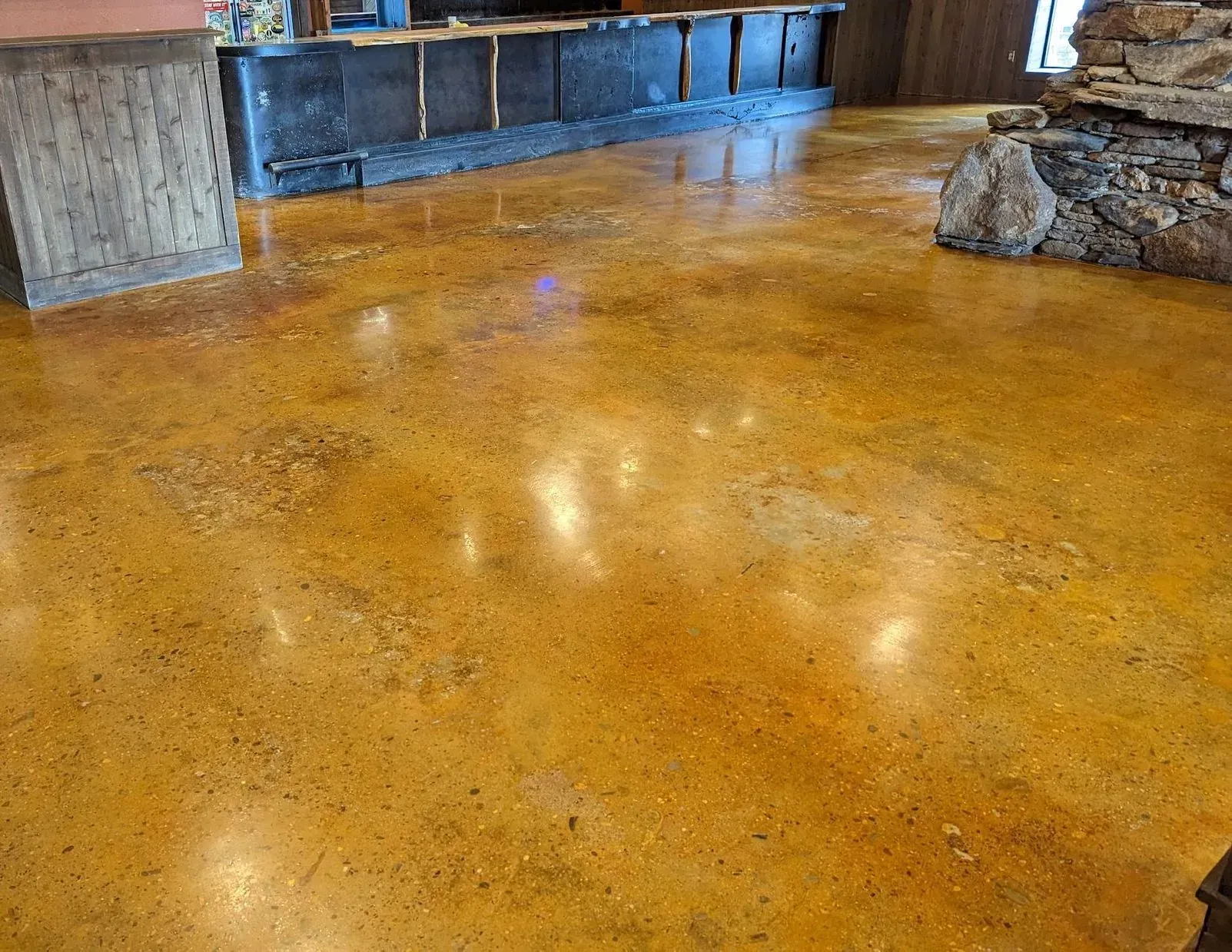
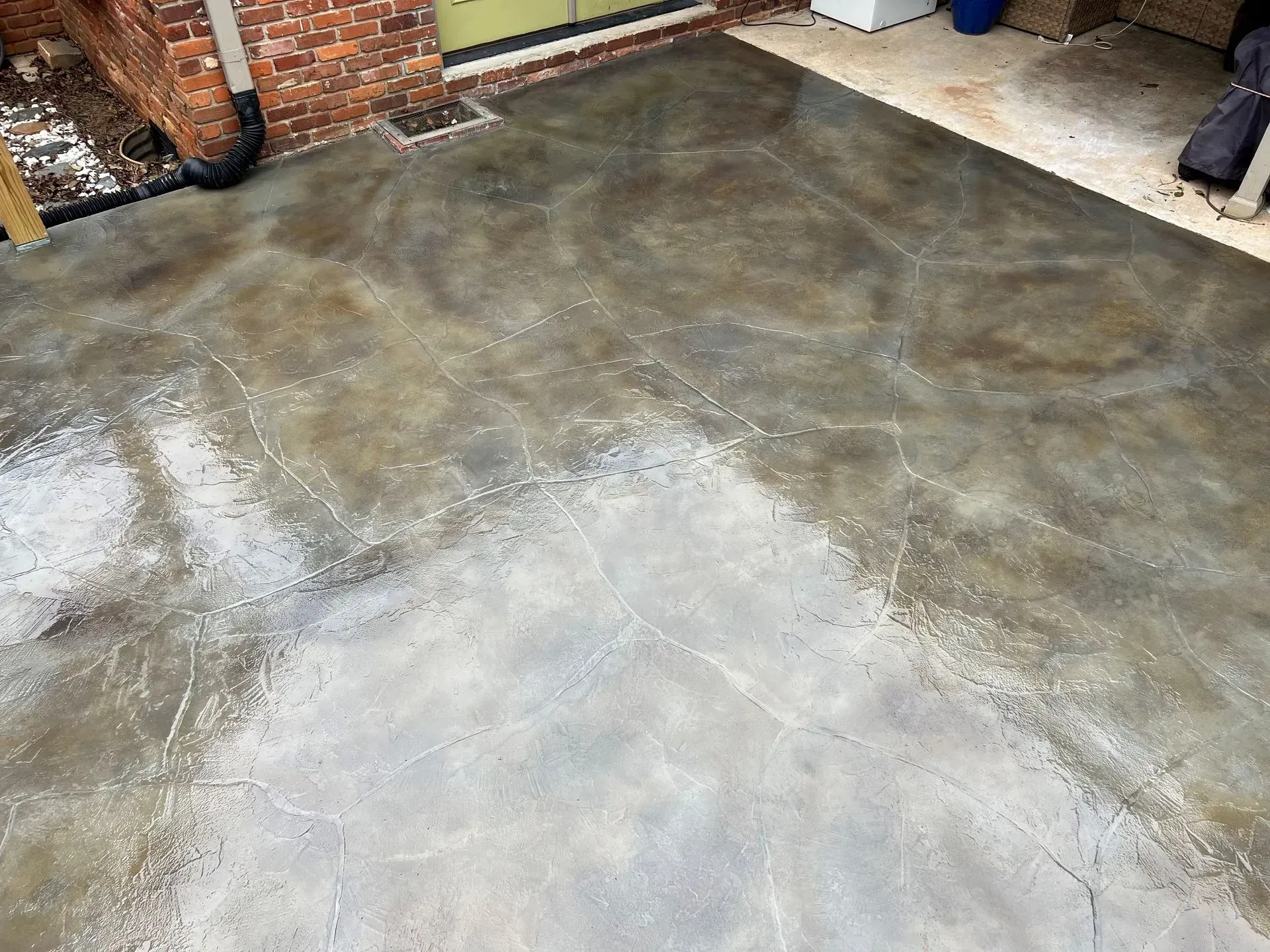
Acid stains chemically react with the concrete to produce deep, mottled, variegated tones, the kind that mimic natural stone. No two slabs ever come out identical, which is exactly the appeal. Acid staining gives you that earthy, organic, high-end stone look that's perfect for upscale interiors, patios, and driveways.
Water-Based Stains
Water-based stains deliver a much wider, more consistent color range, including bold and vibrant hues you can't get from acid. If you want an even, predictable finish or a specific color to match a brand or design, water-based is usually the answer. They're popular for commercial floors, retail spaces, and modern residential designs.
Neither is "better." Acid gives you natural, one-of-a-kind character; water-based gives you control and color range. Which one's right depends entirely on the look you're after, and that's a conversation we have on every staining job.
The Color Families to Choose From
Within those two methods, here are the directions most of our Greenville and Upstate clients go:
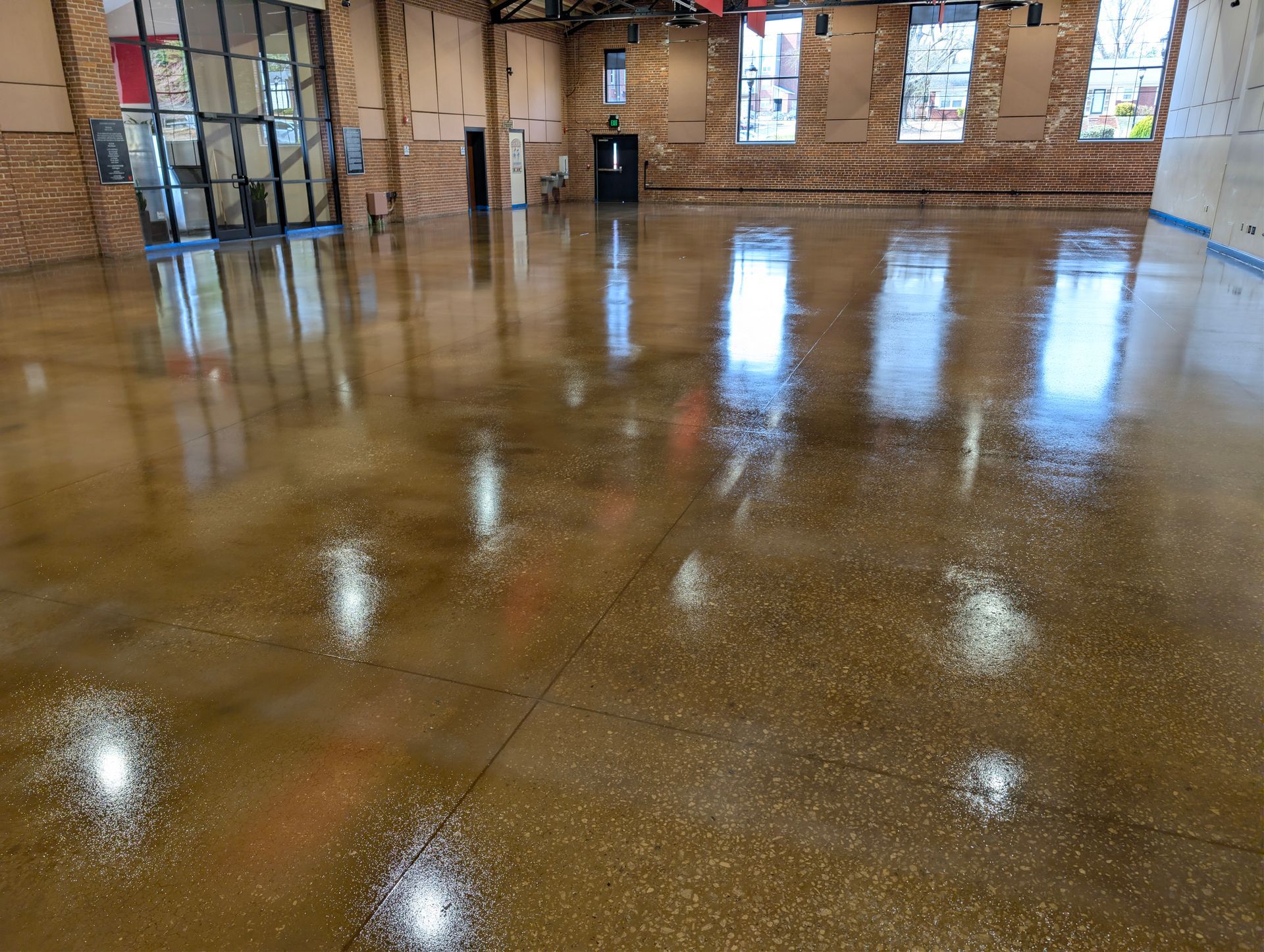
- Earth-toned stains — natural browns, tans, and grays for rustic, warm, and classic looks. The most popular choice for living spaces and patios.
- Vibrant color stains — bold reds, blues, and greens for spaces that want to make a statement, like retail floors or accent areas.
- Marbled and multi-toned effects — layered, high-end finishes that read as luxurious; great for showrooms and restaurants.
- Natural stone look — the elegance of stone with the durability and cost of concrete.
- Custom-tinted blends — we mix and layer to hit a specific color or one-of-a-kind decorative effect tailored to your space.
How to Choose the Right Color for Your Space
The slab is permanent once it's stained and sealed, so it's worth thinking this through. A few things we walk clients through:
- Match the room's light. Darker tones add drama but can shrink a low-light basement; lighter earth tones keep a space feeling open.
- Work with what's around it. The stain should complement your cabinets, walls, and furnishings, not fight them.
- Think about the use. Mottled acid tones hide wear and dirt beautifully in high-traffic areas; a flat, even color shows more.
- Always test first. Concrete is porous and every slab takes stain a little differently. We apply test stains so you see the actual color on your actual floor before committing, which matters most with acid stains since the reaction varies slab to slab.
That test step is the one we'd never skip. A color on a chart is a starting point, not a guarantee, because the concrete itself influences the final result.
Why Stain Instead of Paint or Coating?
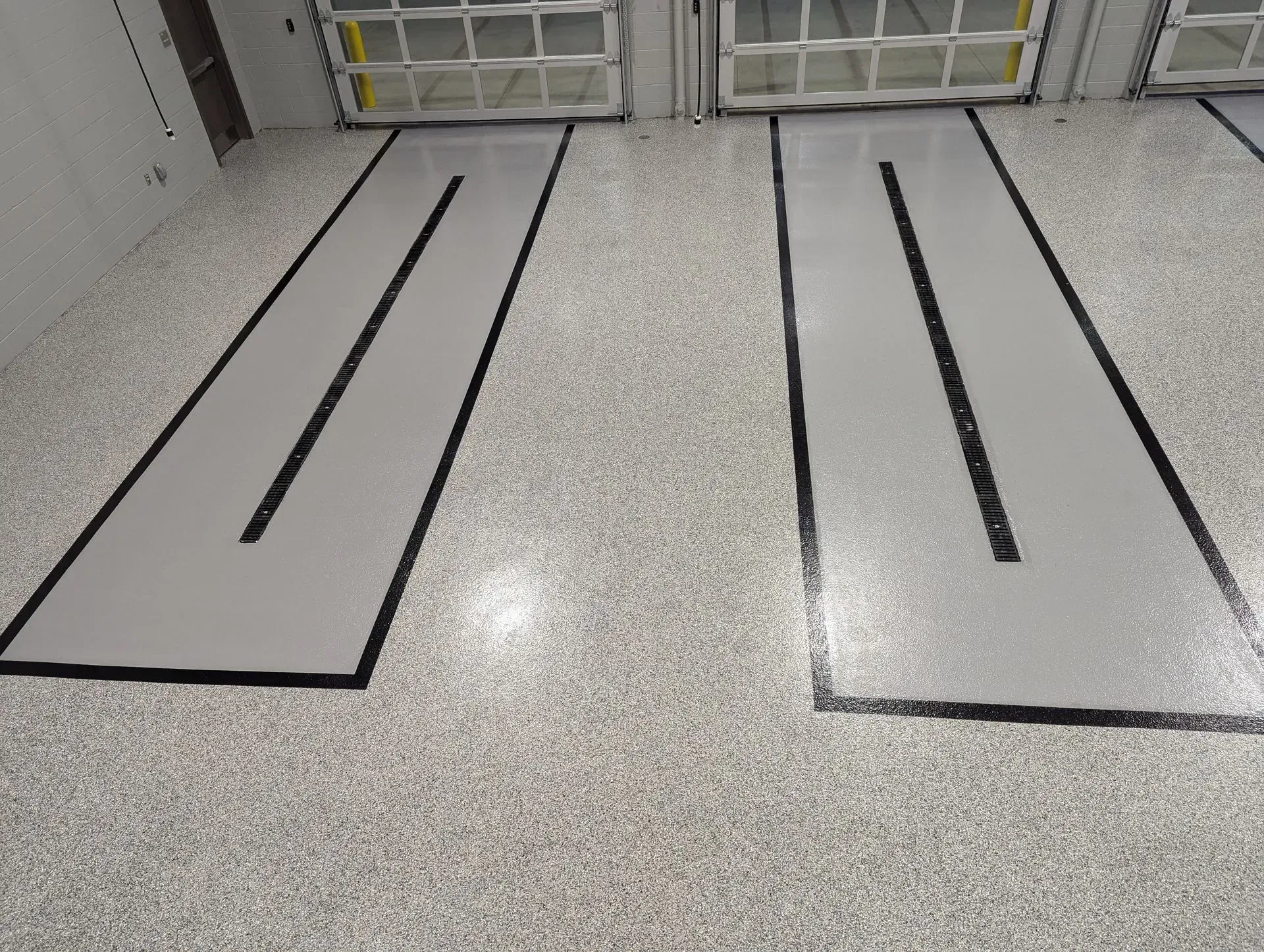
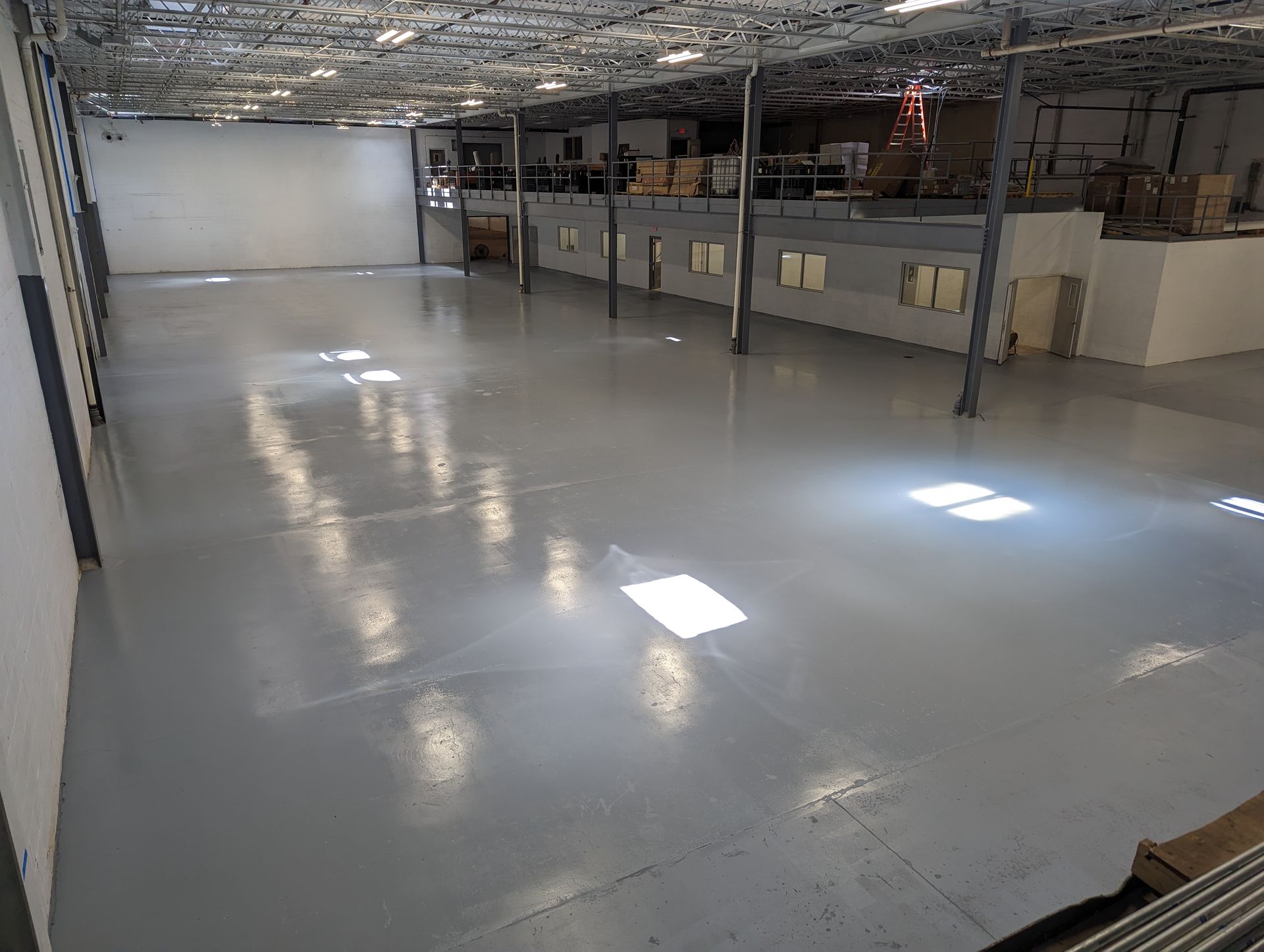
This is a common question, and the honest answer depends on your goal. Stain penetrates and bonds with the concrete, so it won't peel, chip, or flake the way surface paint does, and it keeps a natural concrete texture. If you want color with the look of real concrete or stone, stain is ideal. If you want a thick, fully sealed, chemical-proof surface like a garage or warehouse floor, an epoxy or coating may be the better call. We'll tell you honestly which fits your space rather than pushing the more expensive option.
What Concrete Staining Costs in the Upstate
Staining is one of the more budget-friendly decorative options, which is a big part of its appeal. Real working ranges:
- Basic single-color staining: $2.50 – $4.50 per square foot
- Multi-color or layered stain: $4.00 – $6.00 per square foot
- Decorative or patterned stain: $5.00 – $7.00 per square foot
- Custom stained designs: $6.50 – $10.00 per square foot
Cost depends on the stain type, how much surface prep your slab needs, the project size, and the design complexity. The only way to a real number is an on-site look.
Sealing Is What Makes It Last
Color is only half the job. A proper sealer locks in the stain, protects against moisture and spills, and keeps the color from etching or fading. Properly stained and sealed concrete lasts decades, and resealing on a regular cycle is what keeps it looking new. A staining job without a quality sealer is a job that ages fast, so confirm the sealer is included in any quote you get.
How Blastek Approaches Staining Across the Upstate
Every staining project starts with your goals and your actual slab: we clean and prep, test colors so you see the real result, apply the stain, neutralize and clean, then seal it to lock everything in. We do this for homeowners and businesses across Greenville, Spartanburg, Greer, Anderson, Boiling Springs, and the wider Upstate, and we'll help you choose a color and method that fits both your space and how you'll use it.
Get a Free Estimate for Concrete Staining
If you've got a plain or tired concrete floor, patio, or driveway and you're picturing something with real color and character, let's talk through your options. Give Toby and the team a call at
(864) 266-8841 for a free on-site estimate, or reach us through our
contact page. We'll look at your slab, test colors on the actual surface, and give you a straight number for the look you're after.