How Long Do Concrete Coatings Last in Upstate SC's Climate?
How Long Do Concrete Coatings Last in Upstate SC's Climate?
It's the question we get on almost every estimate in Spartanburg: "How long is this floor actually going to last?" Fair question. A concrete coating is an investment, and you want to know whether you're buying five years or twenty. The honest answer is that it depends heavily on two things: the system you choose, and whether it was installed to survive Upstate South Carolina's specific brand of weather.
We're Blastek Concrete Designs, a father-and-son team out of Spartanburg with 15 years coating and finishing existing concrete across the region. We don't pour slabs; we protect and restore the ones you have. Here's a straight breakdown of how long different coatings really last here, what shortens their life, and how to get the full lifespan you paid for.
Real Lifespans by Coating Type
Not all coatings are created equal, and "epoxy" covers a wide range. Here's what holds up and for how long when installed properly:
- Solid-color epoxy: a durable everyday finish; the entry point for garages and basements.
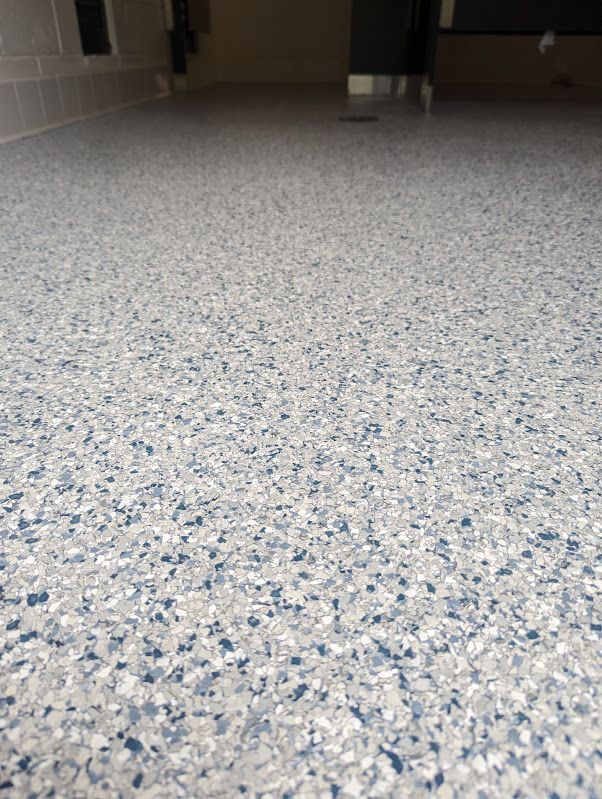
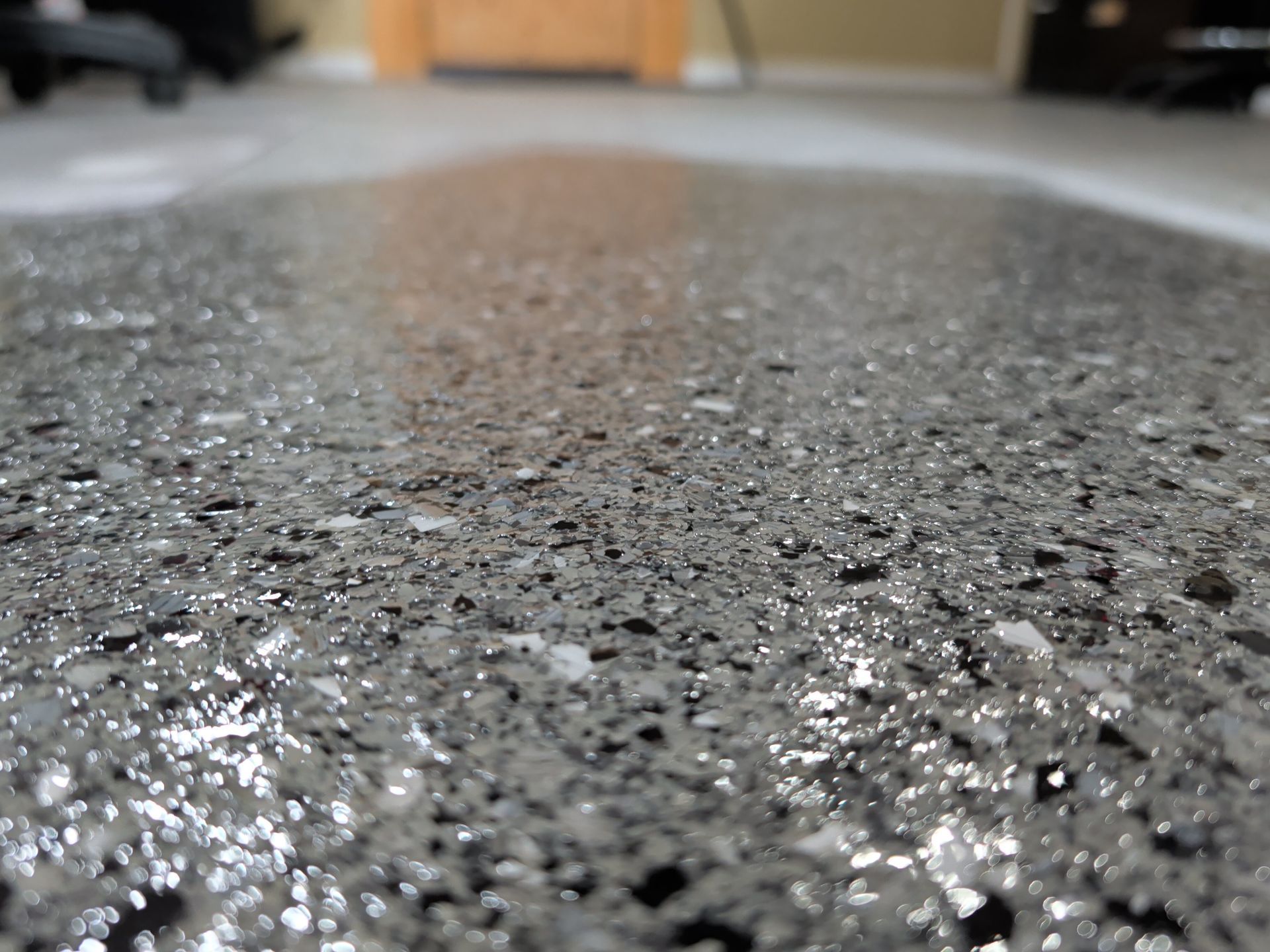
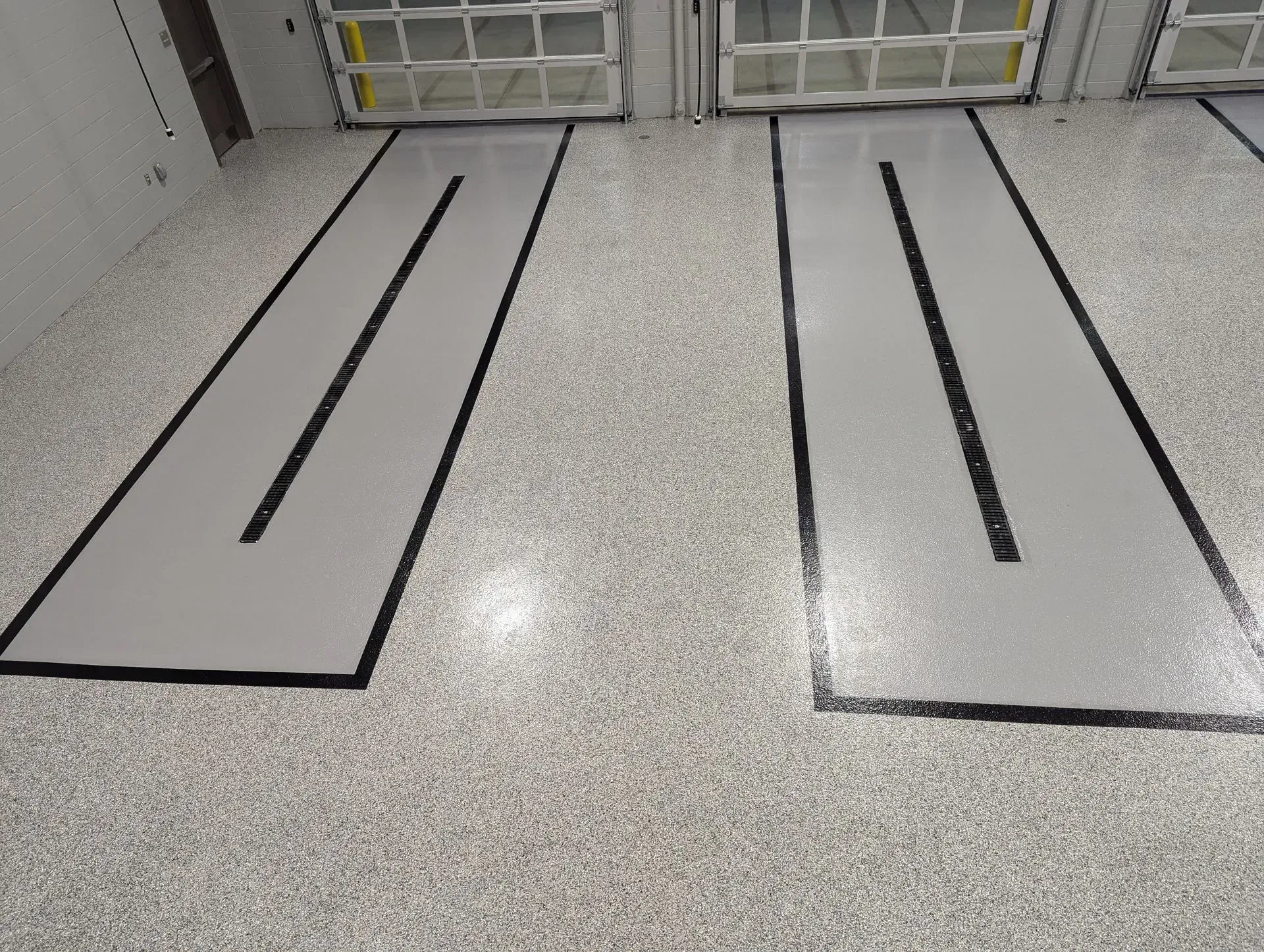
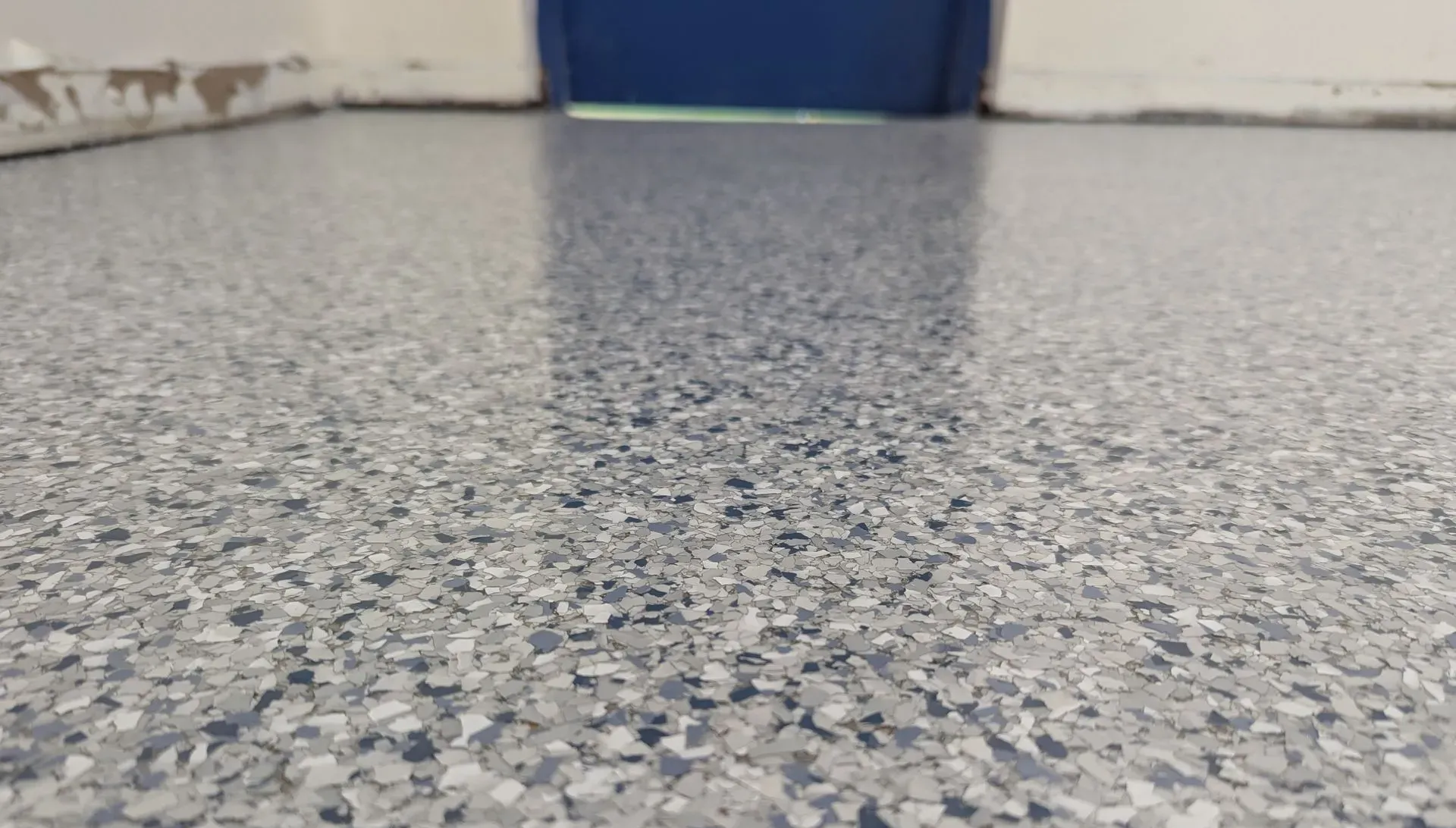
- Flake and quartz systems: tougher and more slip-resistant than solid color, with a longer service life.
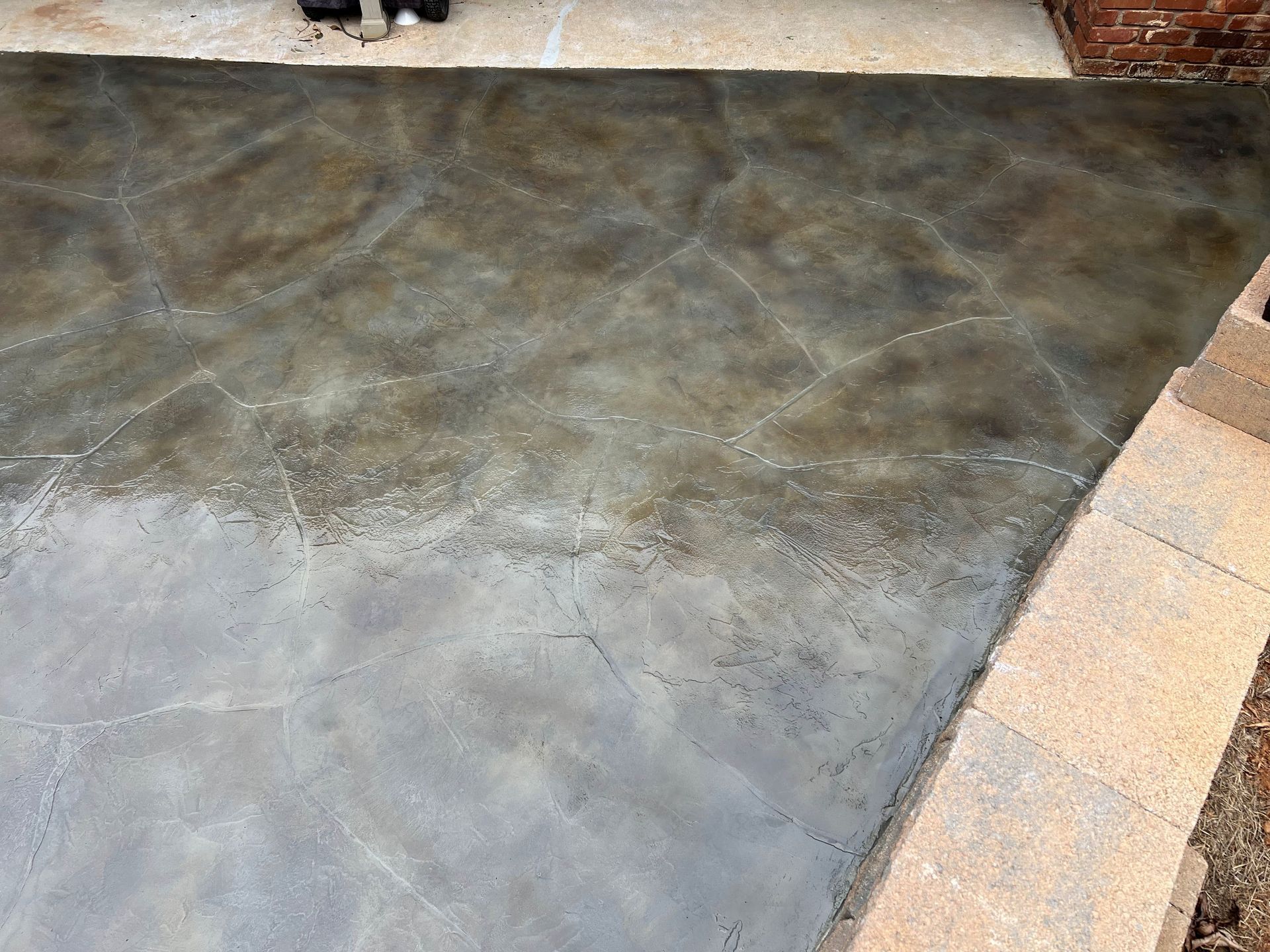
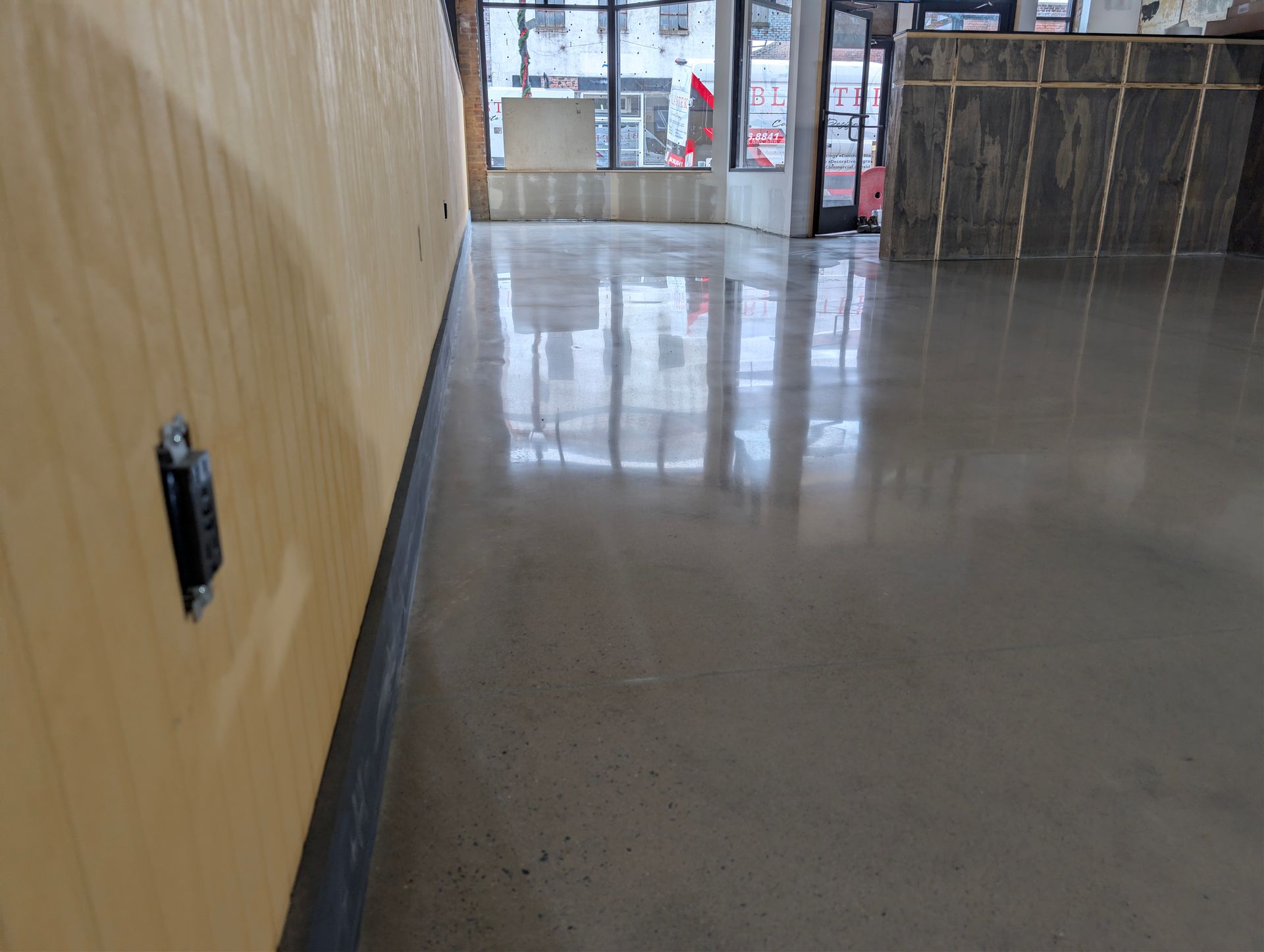
- Metallic epoxy: a decorative high-gloss finish, durable indoors away from UV.
- Polyaspartic coatings: fast-curing and UV-resistant, which makes them the better pick for sun-exposed outdoor surfaces.
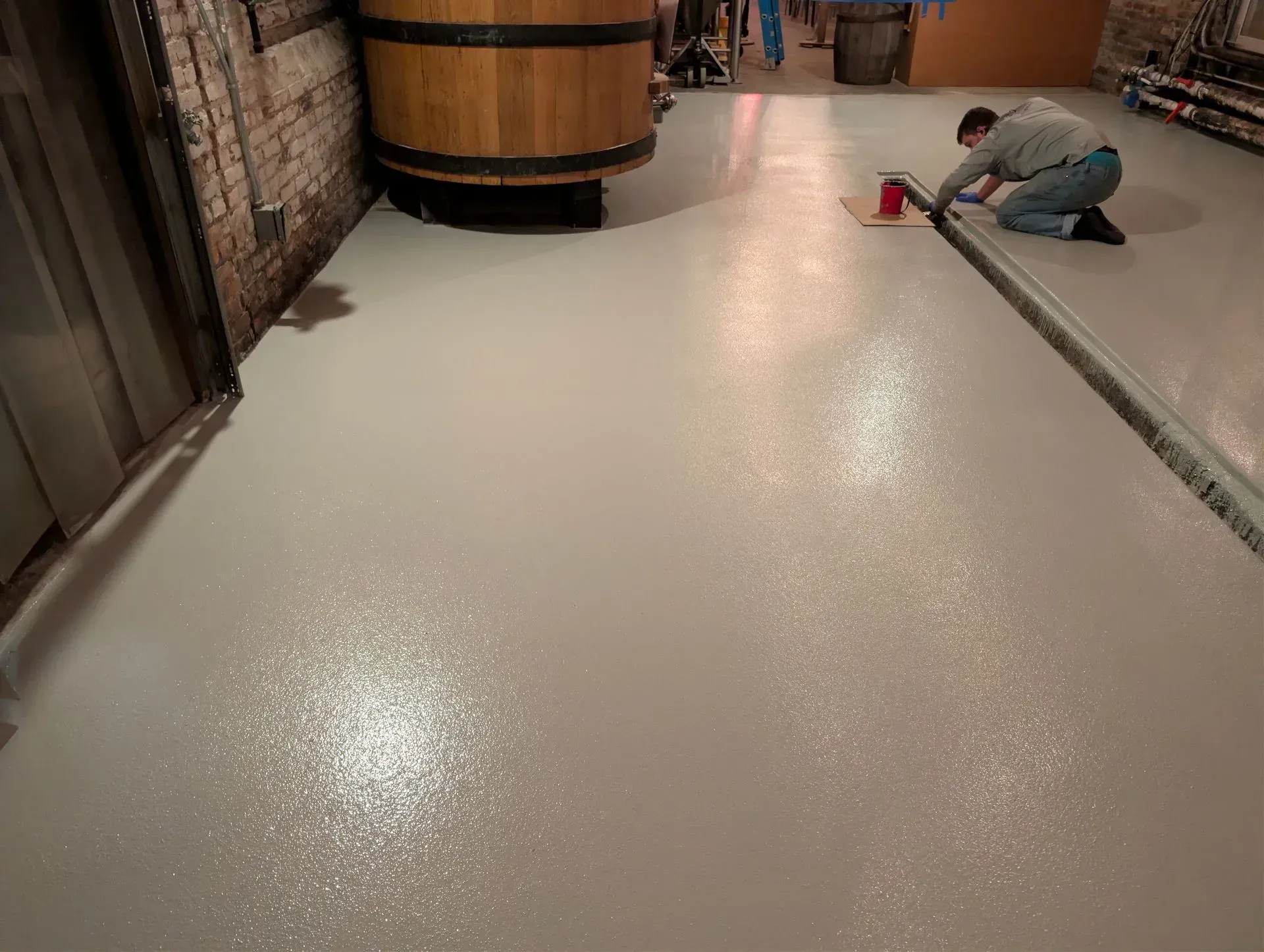
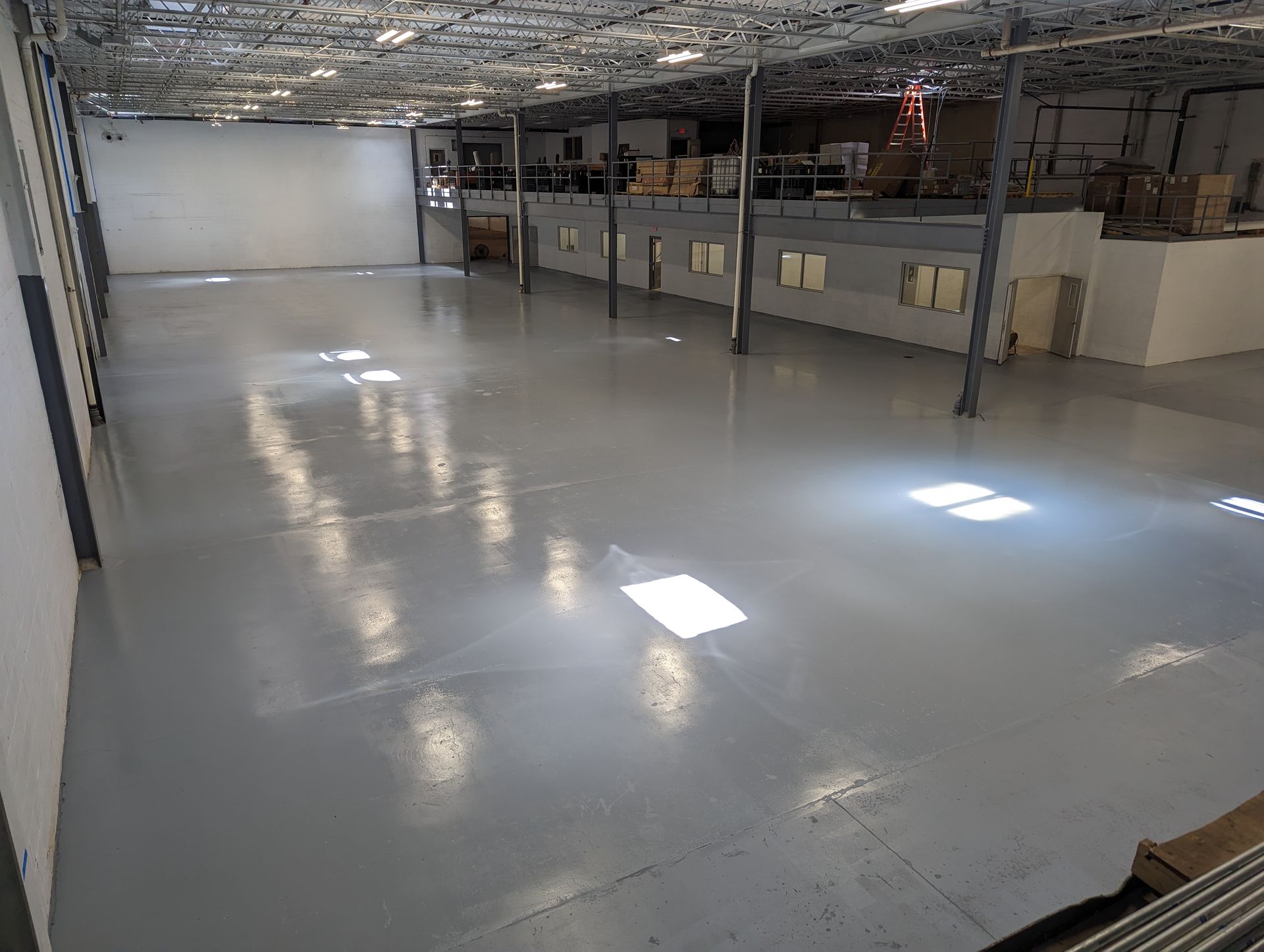
- Industrial-grade coatings: the heaviest-duty systems for warehouses and high-abuse floors.
As a general rule, a professionally installed epoxy floor lasts 15 years or more in a residential setting and over 10 years in commercial and industrial spaces, where traffic is heavier. A quality UV- and abrasion-resistant topcoat extends that further.
Why Upstate SC Climate Is Hard on Coatings
The Upstate puts coatings through a specific set of stresses that milder climates don't. Understanding them is the whole key to lifespan:
Humidity and Moisture
Our humid summers mean moisture is constantly trying to move through concrete. If a slab has a moisture problem and a coating goes down without addressing it, vapor pressure can push the coating right off. Moisture-related delamination is one of the most common coating failures we're called to fix.
Freeze-Thaw Cycles
Upstate winters swing above and below freezing repeatedly. Water that gets into a slab or under a poorly bonded coating expands when it freezes, working coatings loose over time. A properly bonded coating handles this; a rushed one doesn't.
UV Exposure
Full South Carolina sun fades and breaks down coatings that aren't UV-stable. Standard epoxy yellows and chalks outdoors, which is exactly why we steer outdoor jobs toward UV-resistant polyaspartic instead.
Heat
Hot tire pickup in a garage and thermal cycling on exposed surfaces both stress a coating's bond. The right topcoat resists it; a thin one lifts.
What Actually Shortens a Coating's Life
When we get called to redo a floor that failed early, it's almost never the product's fault. It's one of these:
- Skipped surface prep — no mechanical grinding or shot blasting, so the coating never truly bonded.
- Ignored moisture — coating a slab with a vapor problem without testing or mitigating it first.
- Wrong system for the location — standard epoxy in full sun instead of UV-stable polyaspartic.
- No topcoat — skipping the protective seal that takes the daily abuse.
- Rushed cure — putting the floor back in service before it's fully cured.
A bargain quote that cuts any of these corners isn't a deal; it's a floor you'll pay to redo in two or three years.
How to Make Your Coating Last Longer
Once a quality coating is down, getting the full lifespan out of it is mostly about doing right by it:
- Start with proper prep and the right system — this is decided before any coating goes down, and it matters most.
- Clean routinely — sweep grit and dust mop; grit acts like sandpaper underfoot over time.
- Mop with a pH-neutral cleaner — harsh chemicals can dull or degrade the finish.
- Address spills promptly — even chemical-resistant floors do best when aggressive spills aren't left sitting.
- Refresh the topcoat on schedule — recoating a worn topcoat is far cheaper than redoing the whole floor.
That last point is the big one. A coating doesn't fail all at once; the topcoat wears first. Refresh it before it's gone and the floor underneath lasts decades.
What to Verify Before You Buy
To get the lifespan you're paying for, confirm these before you sign:
- Does the quote include mechanical grinding or shot blasting, not just a chemical wash?
- Will they moisture-test the slab, especially for a basement or ground-level floor?
- Is the system matched to the location, UV-stable for anything outdoors?
- Is a protective topcoat included, and what's the recoat schedule?
- What's the realistic cure time before the floor goes back in service?
How Blastek Approaches Coating Longevity Across the Upstate
Our whole process is built around making a coating last in this climate: mechanical prep, crack and moisture remediation, the right system for the space and sun exposure, and a protective topcoat sealed in. We do this for homeowners and businesses across Spartanburg, Greer, Anderson, Boiling Springs, Inman, and Duncan, and we'll tell you up front what lifespan to realistically expect for your floor and how to protect it.
Get a Free Estimate for a Coating Built to Last
If you want a concrete coating that actually goes the distance in Upstate weather, start with an honest assessment of your slab. Give Toby and the team a call at (864) 266-8841 for a free on-site estimate, or reach us through our contact page. We'll check your concrete for moisture and condition, recommend the right system for how and where you'll use it, and give you a straight number with a realistic lifespan.