Concrete Overlays for Spartanburg Homes: A Practical Guide to Resurfacing Without Replacement
Most homeowners who call us about a worn patio or a cracked driveway assume the only fix is tearing it out and starting over. That's rarely true. If the slab underneath is structurally sound, a concrete overlay can give you a completely new surface — new color, new texture, sometimes a completely different look — without the cost, mess, or timeline of a full tear-out.
We get these calls across Spartanburg, Boiling Springs, and Greer from people who've been quoted for full replacement and want to know if there's a better option. This guide walks through what overlays actually are, which type fits which project, and what to check before you commit.
What Is a Concrete Overlay?
A concrete overlay is a cement-based coating applied directly over your existing slab. Once it's properly bonded, it becomes the new wearing surface — the original concrete underneath simply provides structure. This only works when the existing slab is stable; overlays don't fix a structurally failing foundation, they refinish a sound one.
The Main Types of Overlays We Install
Stamped Overlays
A stamped overlay is textured with mats before it cures, creating the look of natural flagstone, slate, or cut stone. This is the most common request we get for Spartanburg patios and porches — it gives you the visual weight of real stone at a fraction of the material and labor cost.
Flagstone-Style Overlays
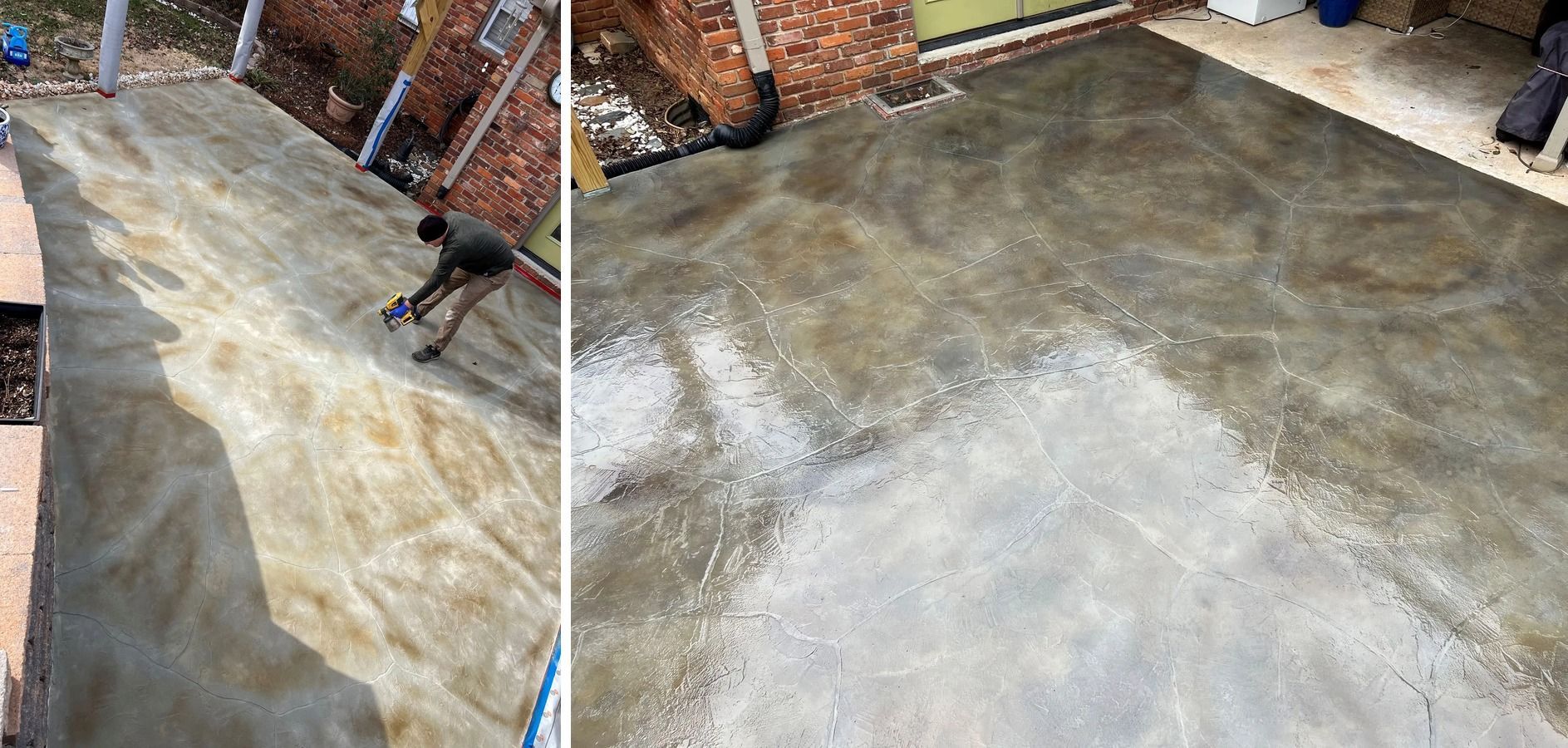
A variation on stamped work, flagstone overlays use irregular, organic joint lines instead of a repeating pattern. It reads as more natural and less "stamped-looking" than a uniform grid pattern, which is why it's a popular choice for rear porches and backyard patios.
Micro-Topping
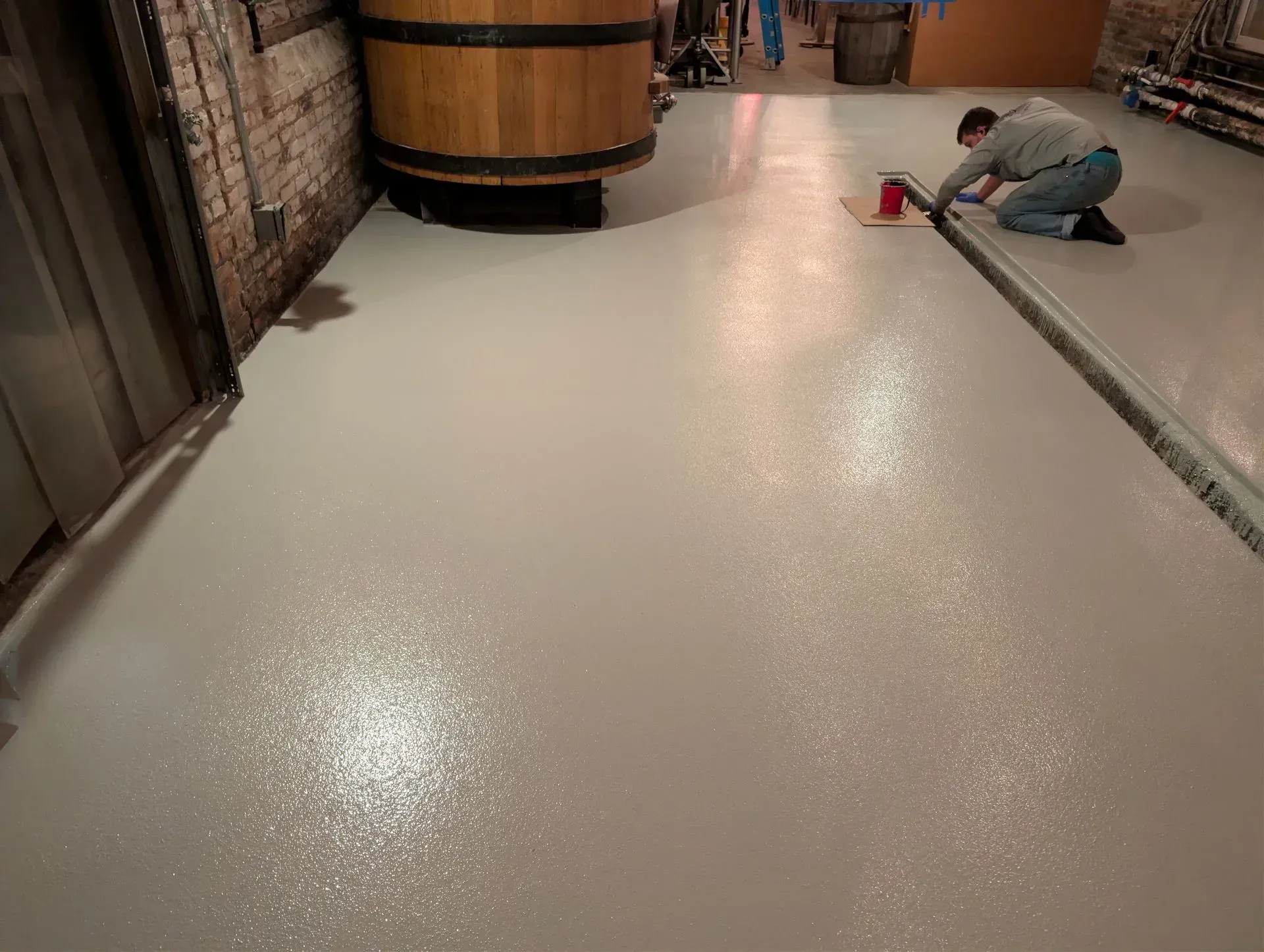
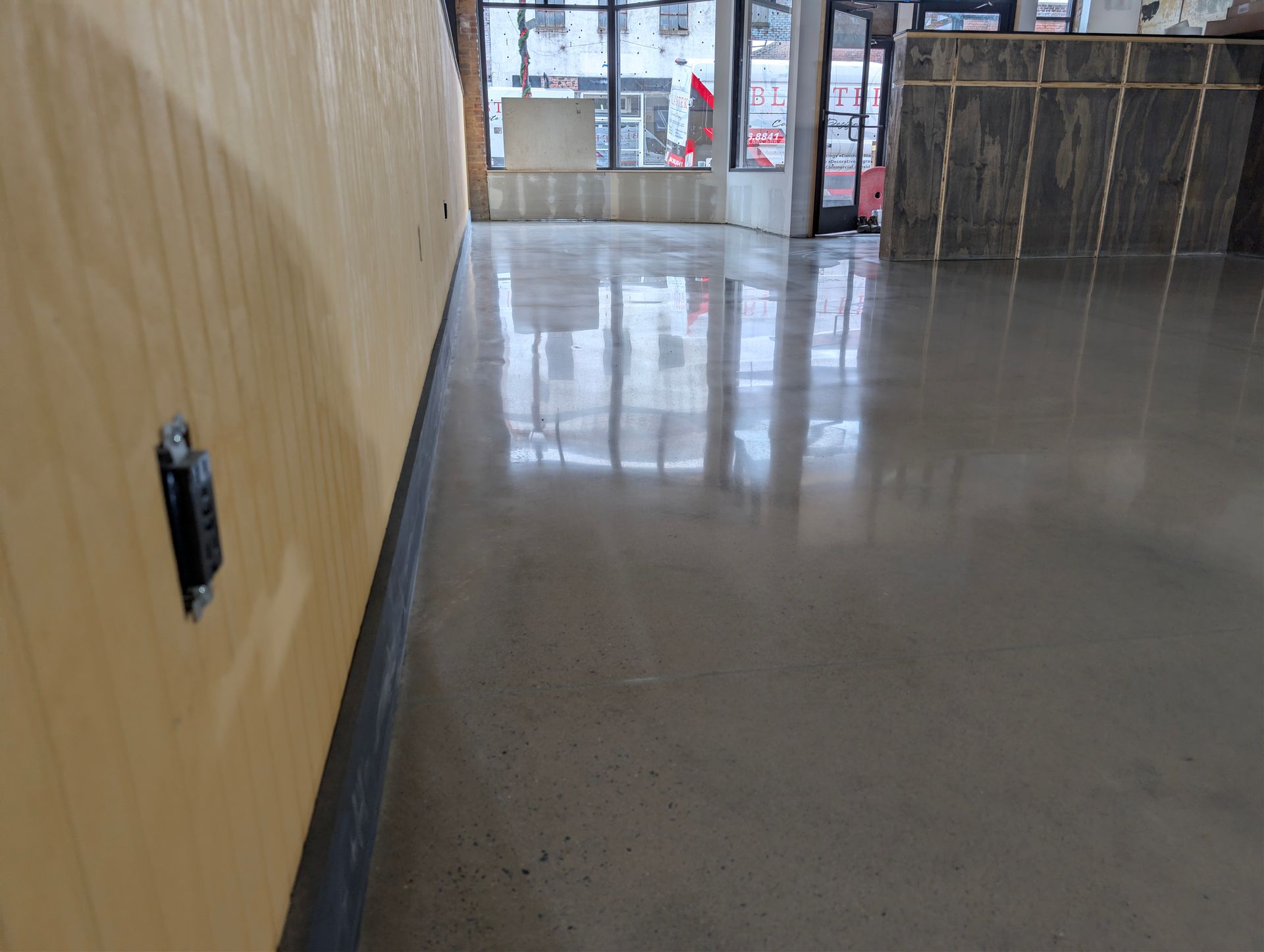
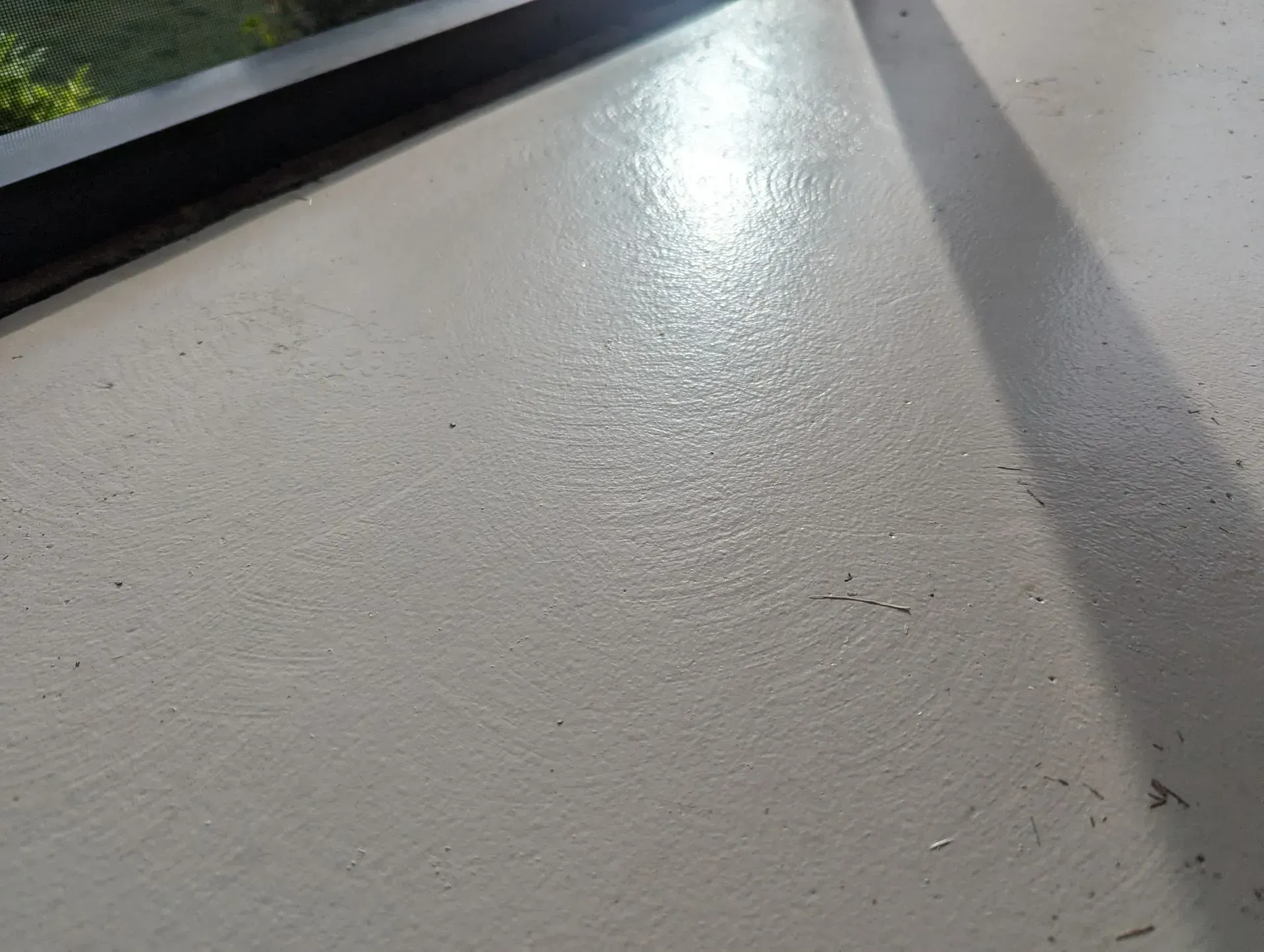
Micro-topping is a thin, trowel-applied overlay — usually 1/8 inch or less — used when the goal is a smooth, modern finish rather than a textured one. It's a common choice for interior floors and driveways where homeowners want a clean, contemporary look instead of a stone pattern, and it pairs well with our concrete staining work when a tinted, uniform color is the goal.
Where Overlays Make Sense on a Spartanburg Home
- Patios and porches — the most requested application, especially flagstone and stamped styles
- Driveways — refreshes a faded or stained slab without a full replacement
- Pool decks — textured overlays add slip resistance along with the new look
- Walkways and entries — smaller areas where a full replacement wouldn't be cost-effective anyway
What to Check Before You Hire Someone for an Overlay
- Will the contractor grind or shot-blast the existing slab, or just clean it? Bonding depends on proper surface prep.
- Is there a plan for existing cracks? Cracks in the base slab can telegraph through an overlay if they aren't addressed first.
- What's the overlay thickness, and does it match the application — thin for micro-topping, thicker for stamped textures?
- What sealer is used, and how often does it need to be reapplied?
- Is there a written warranty on adhesion, not just on color fade?
Signs an Overlay Won't Work
Not every slab is a good overlay candidate. If your existing concrete has active structural movement, severe spalling, or foundation-level settling, an overlay will crack along with it. In those cases, we tell homeowners honestly that overlay isn't the right call — a straightforward concrete resurfacing approach, or in some cases direct concrete repair of the underlying slab, comes first.
How Blastek Approaches Overlay Projects
We evaluate the existing slab before we ever talk finish options — Spartanburg, Boiling Springs, Greer, and the surrounding Upstate. If the concrete is sound, we walk you through which overlay style fits the space and your budget. If it isn't, we say so before you spend money on a finish that won't hold up.
Get a Free Estimate for Your Overlay Project
Give Toby a call at (864) 266-8841 or reach out through our contact page. We'll look at your existing slab and tell you honestly which option makes sense.