Grind and Seal vs. Full Resurfacing
Grind and Seal vs. Full Resurfacing: Fixing Worn Concrete Without Replacing It
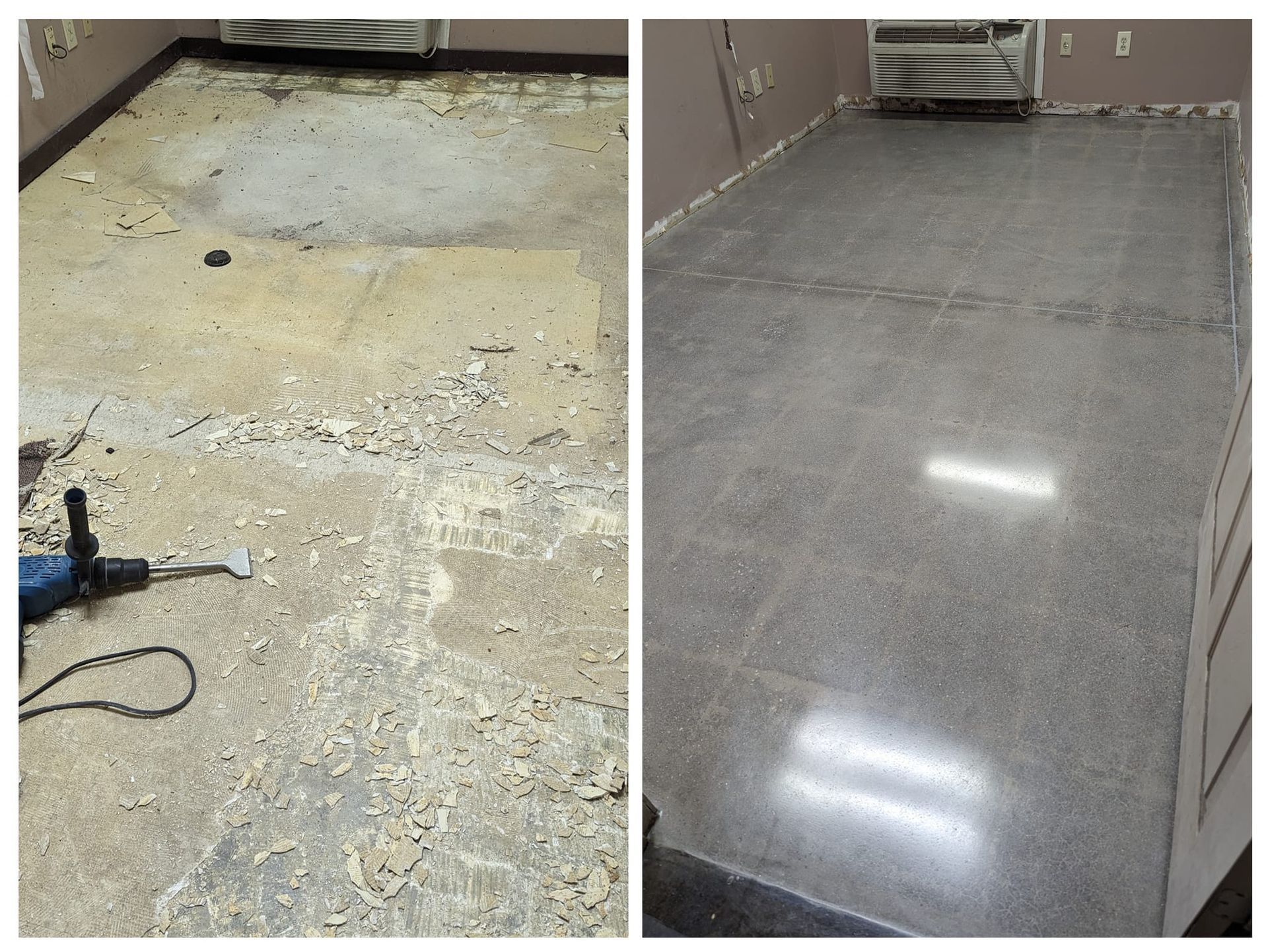
Here's something we tell homeowners across Spartanburg almost every week: that tired, stained, dull concrete floor or patio probably doesn't need to be ripped out. Tear-out and replacement is the most expensive, most disruptive option on the table, and for a structurally sound slab it's usually the wrong one. The cracks and wear you're looking at can very often be fixed by restoring the surface you already have.
We're Blastek Concrete Designs, a father-and-son team out of Spartanburg with 15 years restoring existing concrete across the Upstate. We don't pour new slabs; we make the one you've got work again. The two most common ways we do that are a grind and seal and a full resurfacing. Here's the honest breakdown of what each one fixes, what they cost, and how to know which your concrete actually needs.
What "Grind and Seal" Means
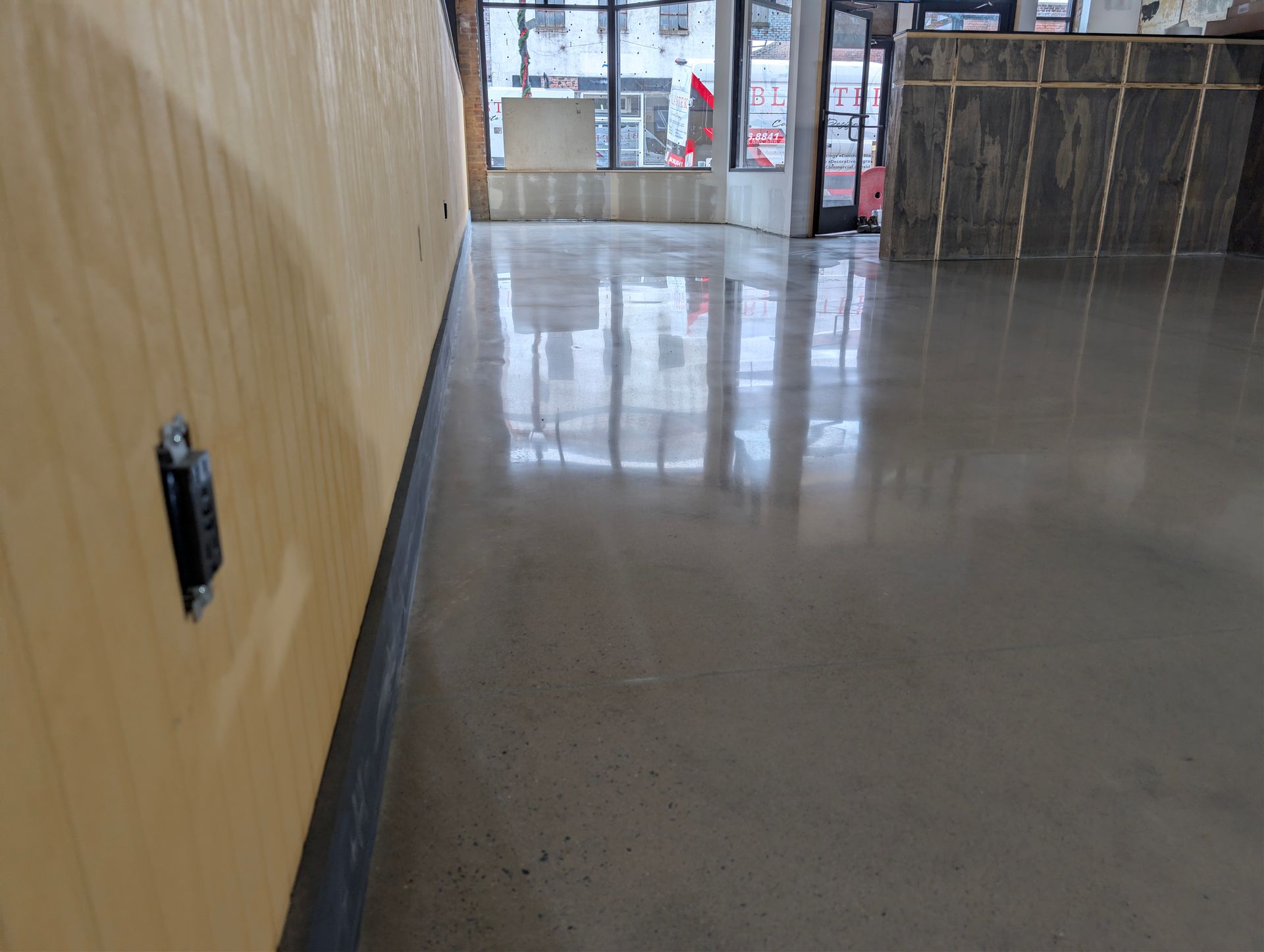
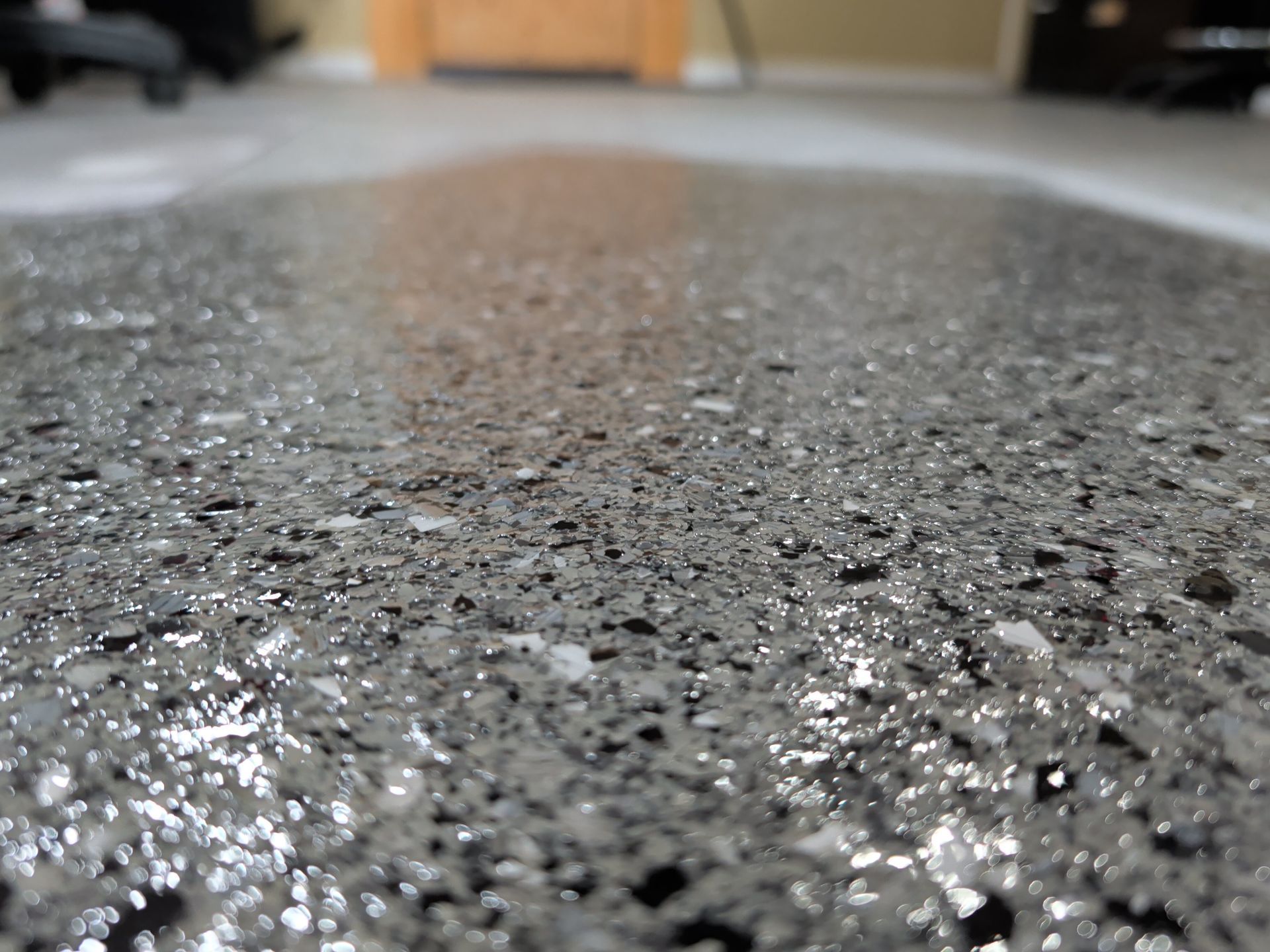
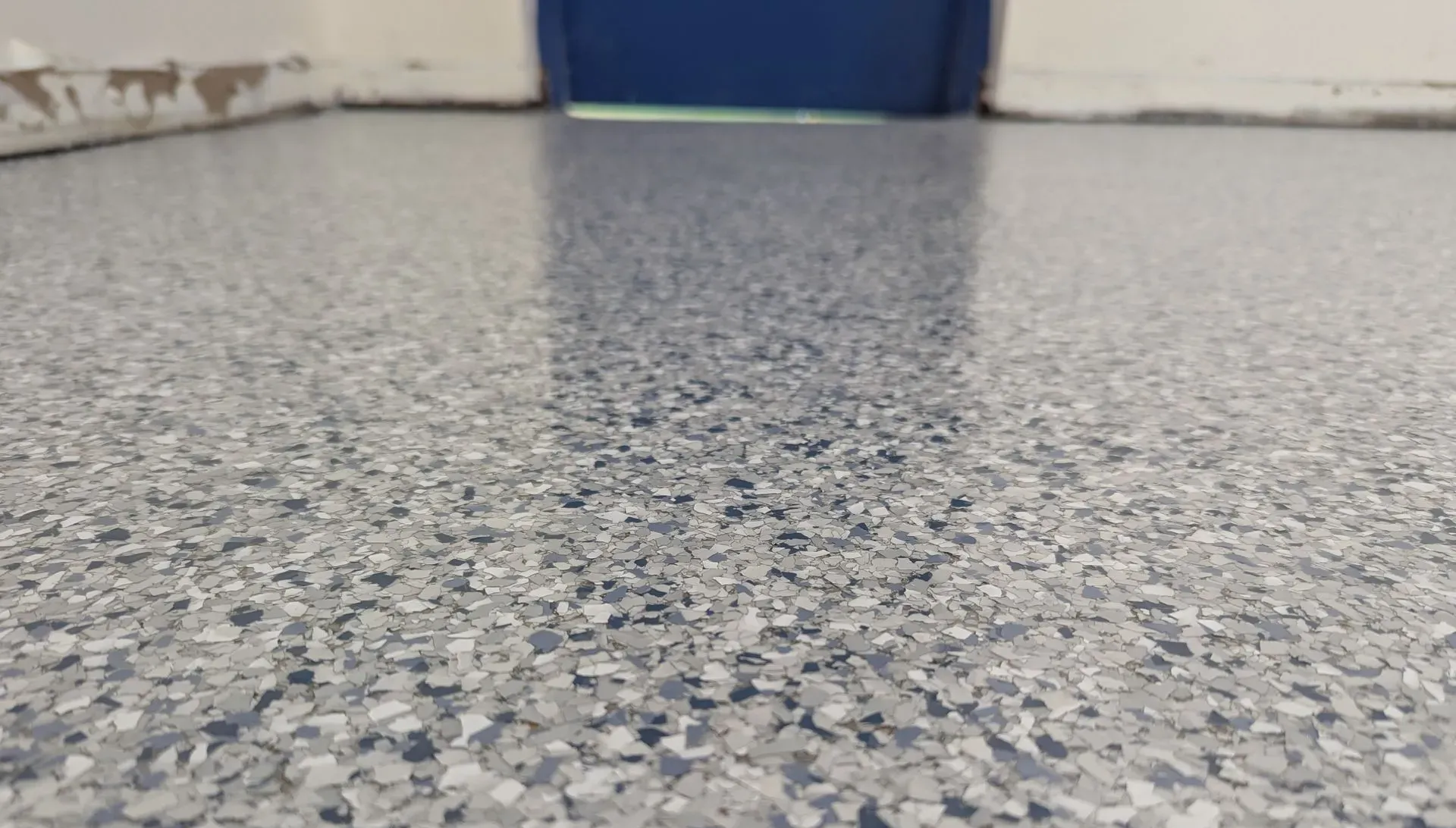
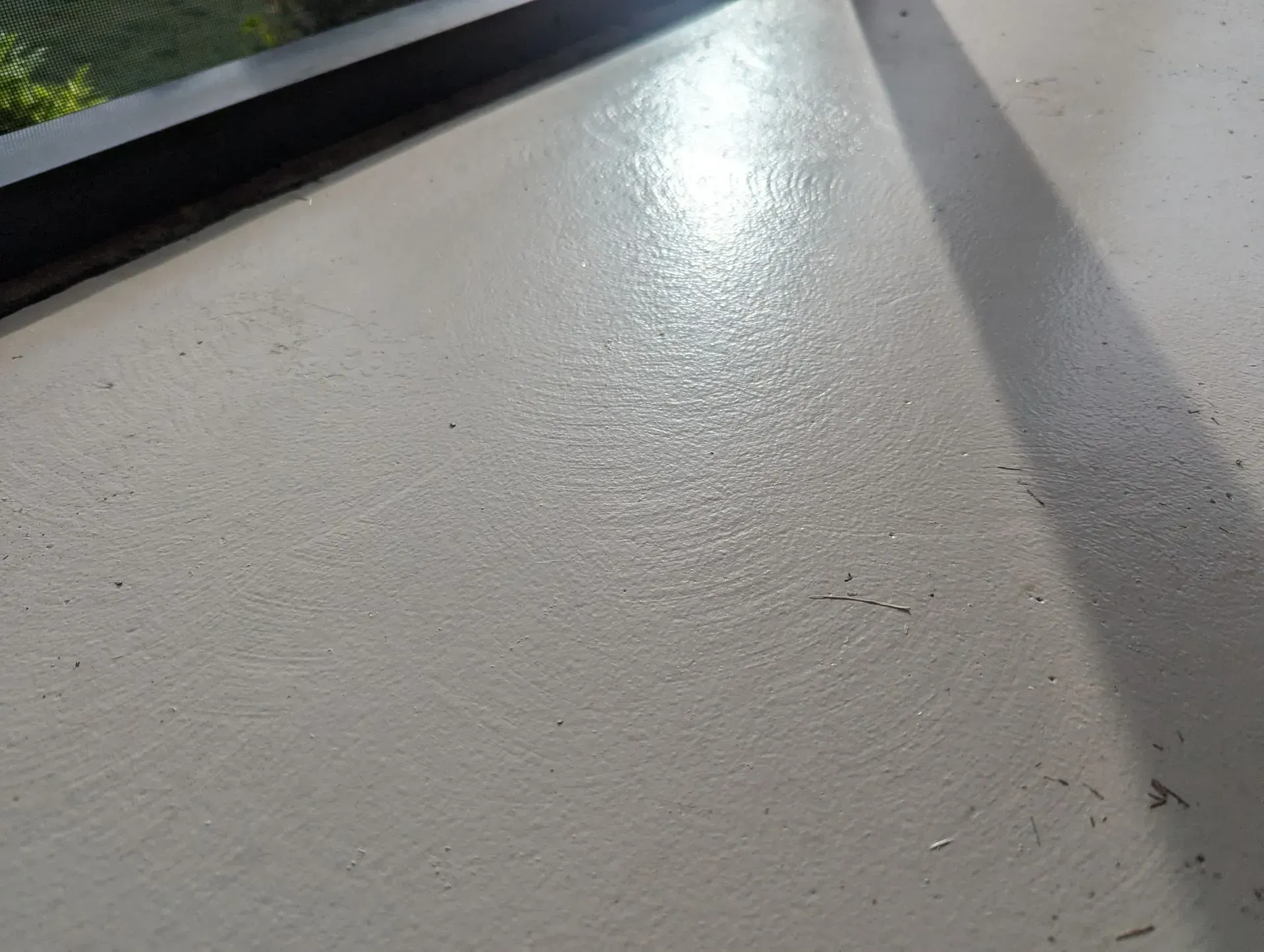
A grind and seal is the lighter-touch option. We mechanically grind the existing surface to clean it up, open the pores, and remove old coatings, surface stains, and minor imperfections, then we seal it with a protective topcoat. You're working with the concrete that's there, just cleaned up, smoothed, and protected.
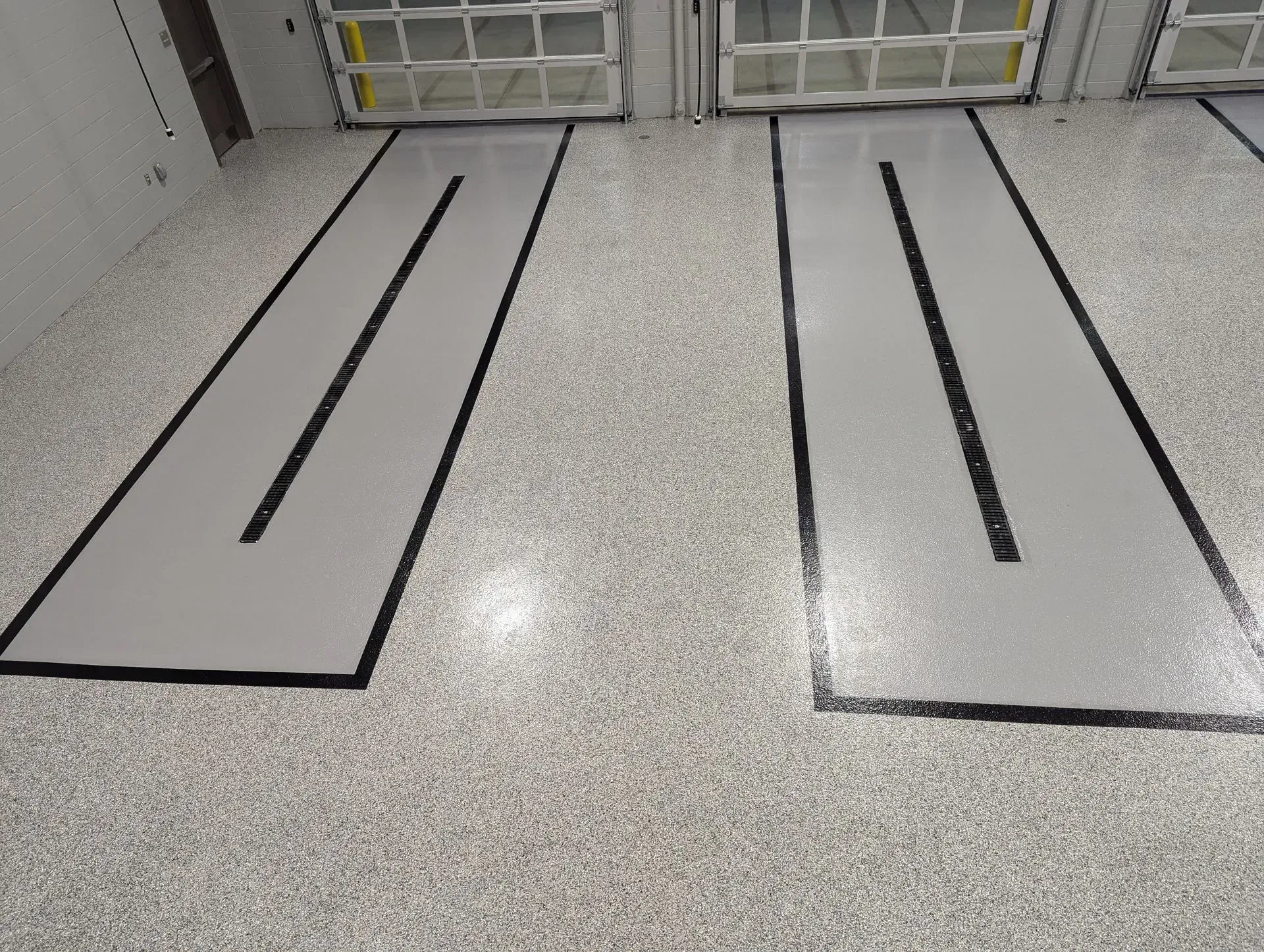
It's the right call when your slab is structurally sound and you mainly want it cleaner, more durable, and easier to maintain. Think a basement floor in Inman, a tired garage slab, or a commercial floor that just needs to look sharp and shrug off stains.
What "Full Resurfacing" Means
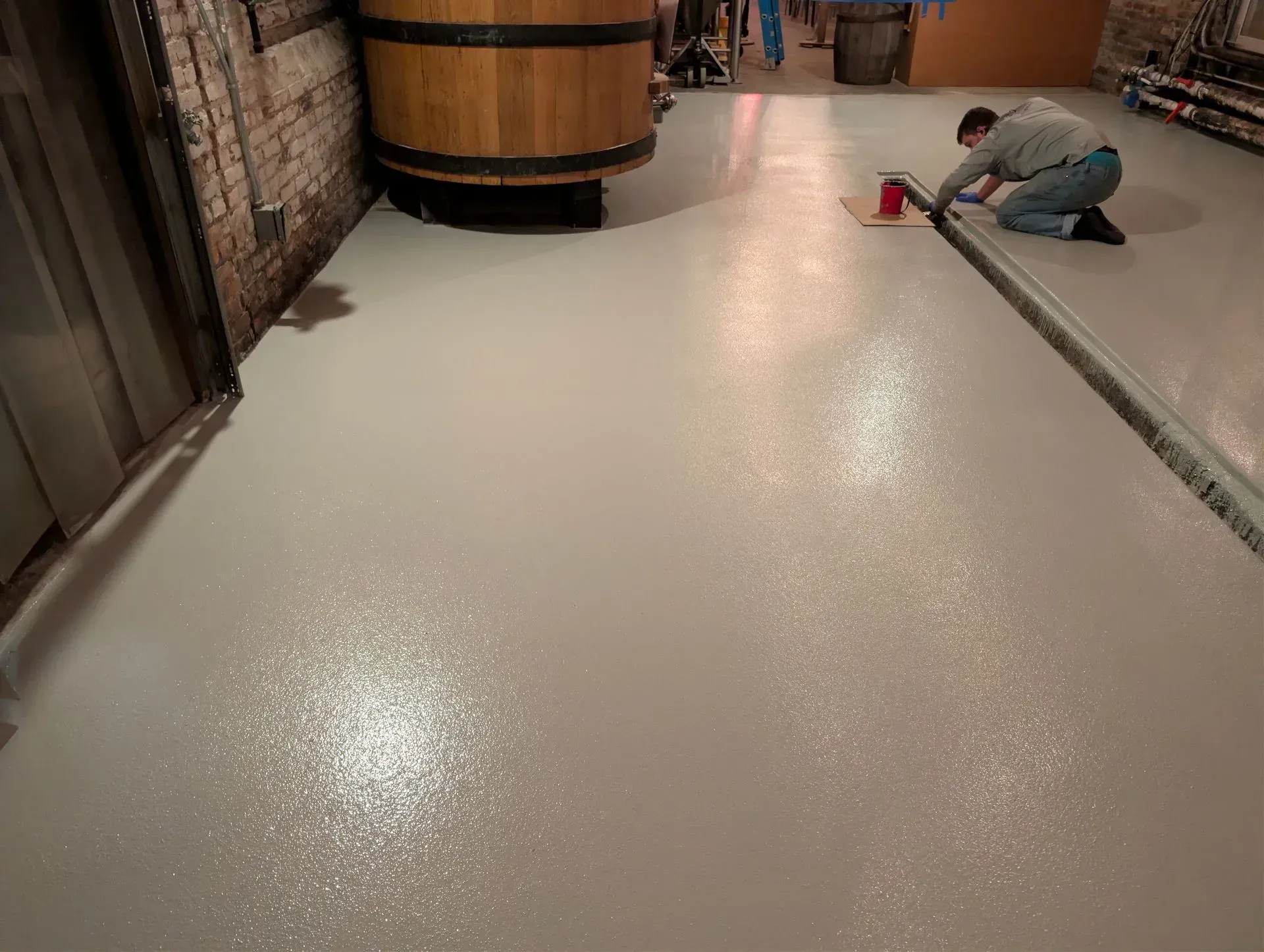
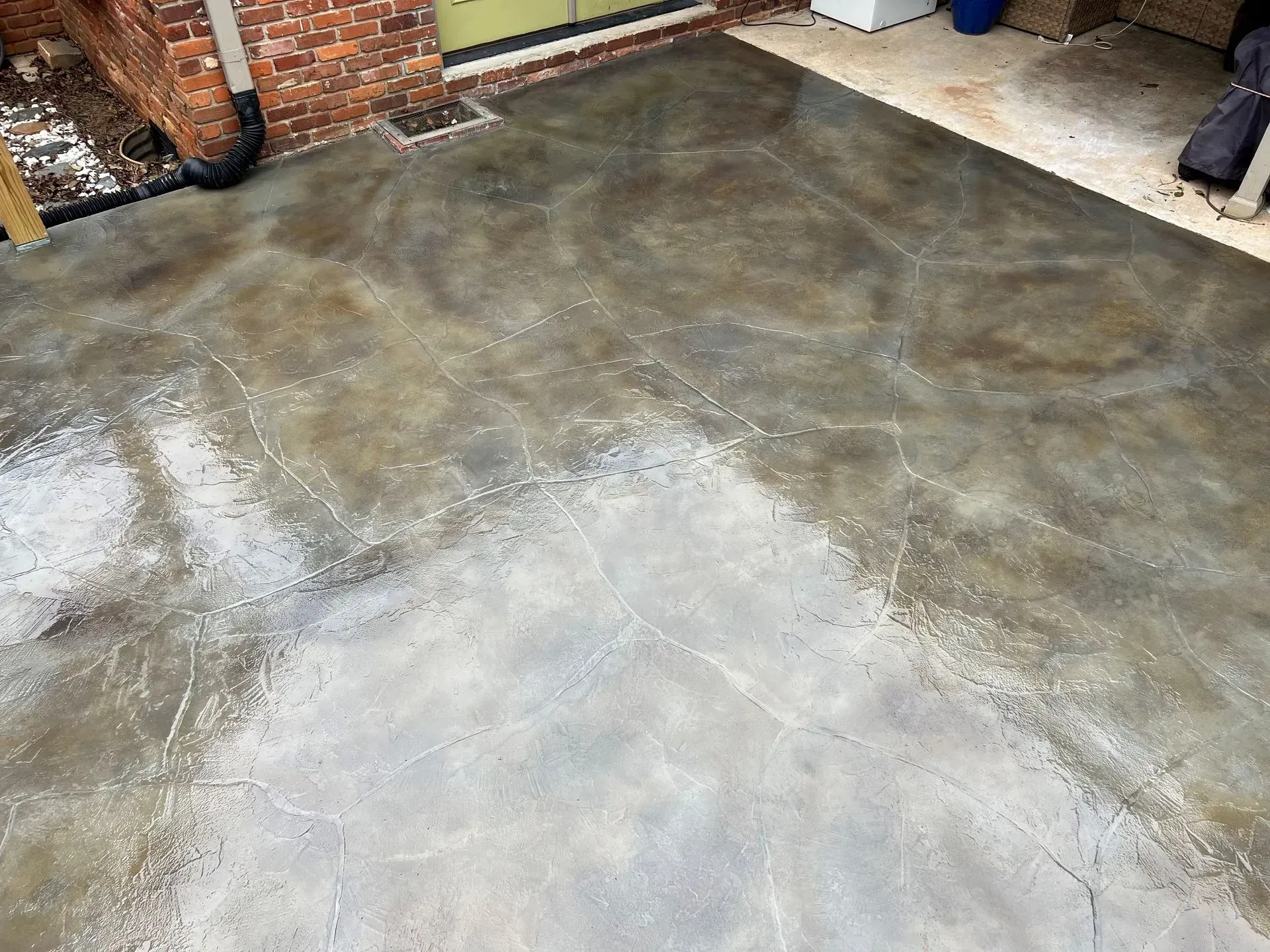
Resurfacing goes a step further. We prep the surface, then apply a high-strength overlay on top, a new wearable layer bonded to your existing slab, and finish or seal it. This actually renews the surface rather than just cleaning and protecting it.
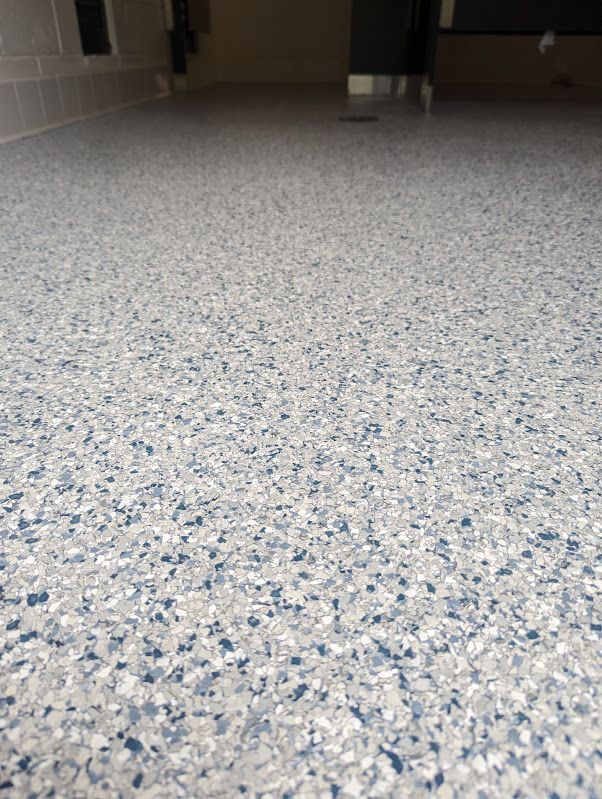
Resurfacing is the answer when the existing surface is too worn, spalled, pitted, or cosmetically damaged for a grind and seal to fix. It also opens the door to decorative finishes: stamped patterns, color, and texture you can't get from grinding alone.
Head-to-Head: Which Fixes What
Surface Damage
Grind and seal handles surface stains, old coatings, and minor roughness. Resurfacing handles deeper cosmetic damage like spalling, pitting, and a generally worn-out surface that's past cleaning up.
Look
Grind and seal gives you a clean, natural concrete finish. Resurfacing lets you change the look entirely, including decorative overlays, color, and stamped textures.
Cost
Grind and seal is the more budget-friendly option because it's less material and labor. Resurfacing costs more but does more. Real working ranges for resurfacing in the Upstate:
- Driveway and sidewalk resurfacing: $6 – $10 per square foot
- Patio and pool deck resurfacing: $7 – $12 per square foot
- Commercial resurfacing: $8 – $15 per square foot
- Decorative overlays: $9 – $14 per square foot
- Surface coatings and sealers (grind and seal range): $6 – $10 per square foot
Lifespan
A professionally resurfaced surface lasts 10 to 15 years or more with proper care. A quality grind and seal protects your slab for years too, though it'll need resealing on a regular cycle to keep doing its job.
When Neither Is the Right Call
We'd rather lose a job than sell you the wrong fix, so here's the honest part. Sometimes restoring the surface isn't enough, and you need to know that before you spend a dime. Replacement, not resurfacing, is the right move when:
- The slab has major structural cracks running through its full depth, not just surface cracks.
- There's significant settling or heaving, where sections have dropped or lifted.
- The concrete is crumbling or failing throughout, not just on the surface.
- There's an underlying drainage or soil problem that will keep destroying any new surface.
Resurfacing a fundamentally failing slab just buys you a year or two before the same problems telegraph back through. When we see that, we'll tell you straight, even though it means we're not the ones doing the pour.
How to Tell Which One You Need
You don't have to diagnose this yourself, but here's roughly how we look at it on site:
- Surface is sound but stained, dull, or coated? Grind and seal.
- Surface is worn, pitted, or spalled but the slab is solid? Resurfacing.
- Want a whole new decorative look on a good slab? Resurfacing with an overlay.
- Slab is structurally failing? Neither, and we'll tell you so.
What to Ask Before You Sign
Before you hire anyone for resurfacing or grind and seal, get clear answers on:
- Did they actually assess whether the slab is structurally sound, or just quote the surface?
- Is the prep mechanical grinding, or a shortcut like a chemical wash?
- Is a quality sealer or topcoat included, and what's the reseal schedule?
- For resurfacing: what overlay product, and how is it bonded to the existing slab?
- Will they tell you honestly if replacement is the smarter spend?
How Blastek Approaches Resurfacing Across the Upstate
Every job starts the same way: we look at your actual concrete and tell you what it really needs, whether that's a grind and seal, a full resurfacing, a decorative overlay, or an honest "this one needs replacing." We do this for homeowners and businesses across Spartanburg, Greenville, Boiling Springs, Inman, Lyman, and Woodruff, and our recommendation is based on your slab, not on what's most expensive.
Get a Free Estimate for Concrete Resurfacing
If you've got worn, stained, or cracked concrete and you're not sure whether it needs a light refresh or a full resurfacing, let us take a look before you assume the worst. Give Toby and the team a call at (864) 266-8841 for a free on-site estimate, or reach us through our contact page. We'll assess your slab, explain your real options, and give you a straight number for the fix that actually fits.