Polished Concrete vs. Epoxy Coating
Polished Concrete vs. Epoxy Coating: Which Is Right for Your Spartanburg Garage?
It's one of the most common questions we get from homeowners across Spartanburg and the Upstate: should I polish my garage floor or coat it with epoxy? Both give you a clean, durable, low-maintenance surface that beats bare gray concrete. But they are two completely different processes, and the right call depends on your slab, your budget, and how you actually use the space.
We're Blastek Concrete Designs, a father-and-son team out of Spartanburg with 15 years finishing and coating existing concrete. We do both polished concrete and epoxy, so we've got no reason to push you toward one over the other. Here's the honest comparison we'd give you standing in your garage in Boiling Springs, Greer, or Inman.
What Polished Concrete Actually Is
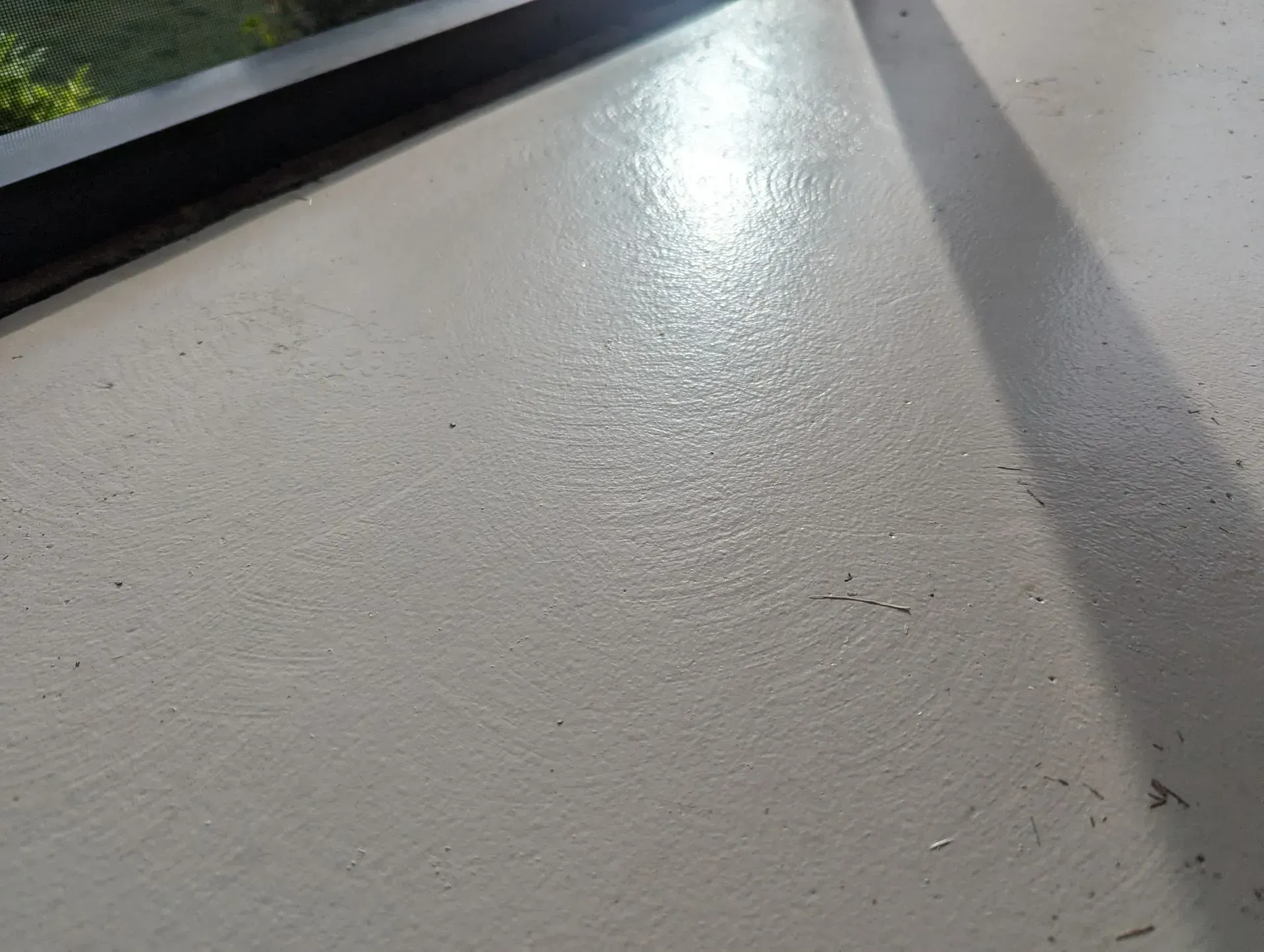
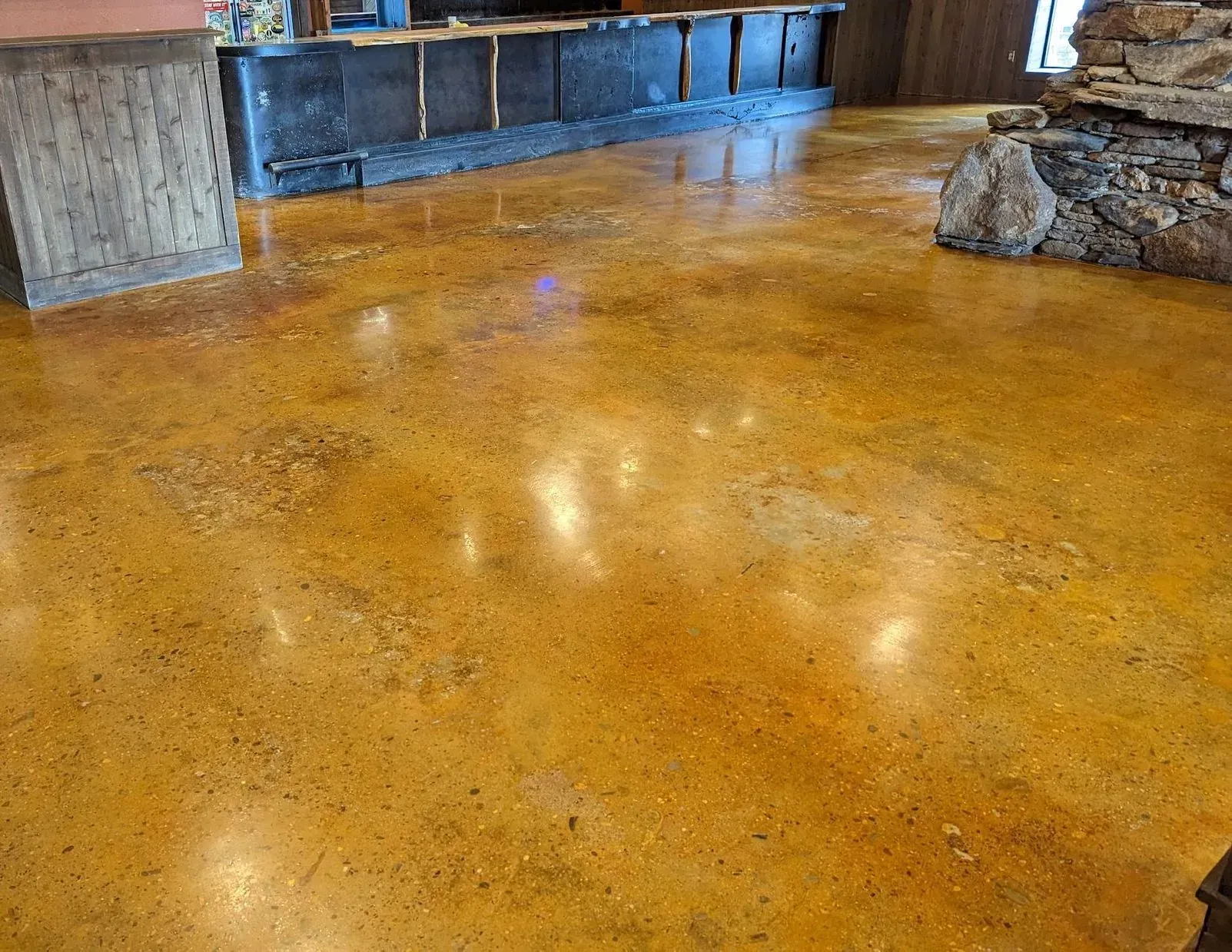
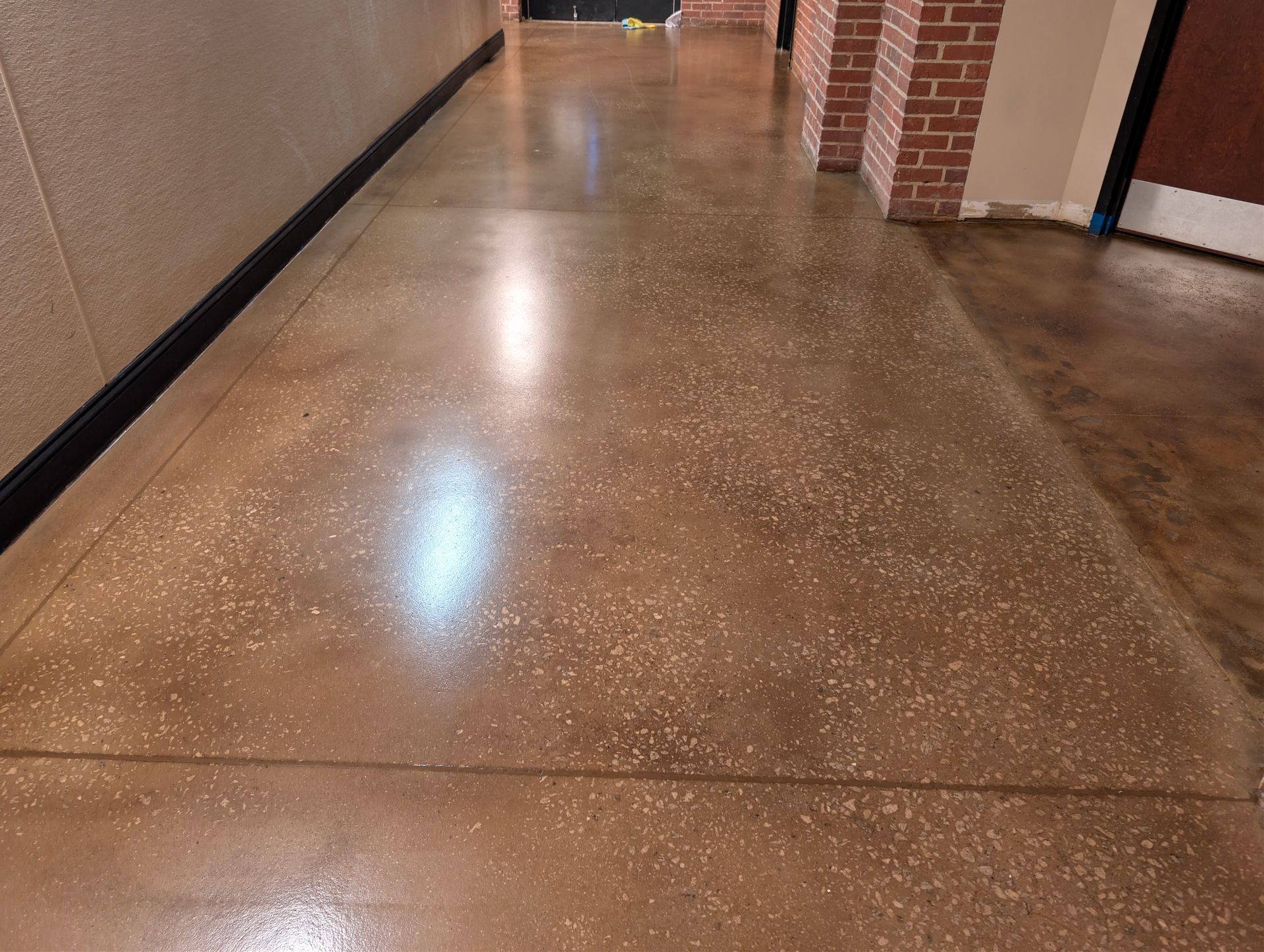
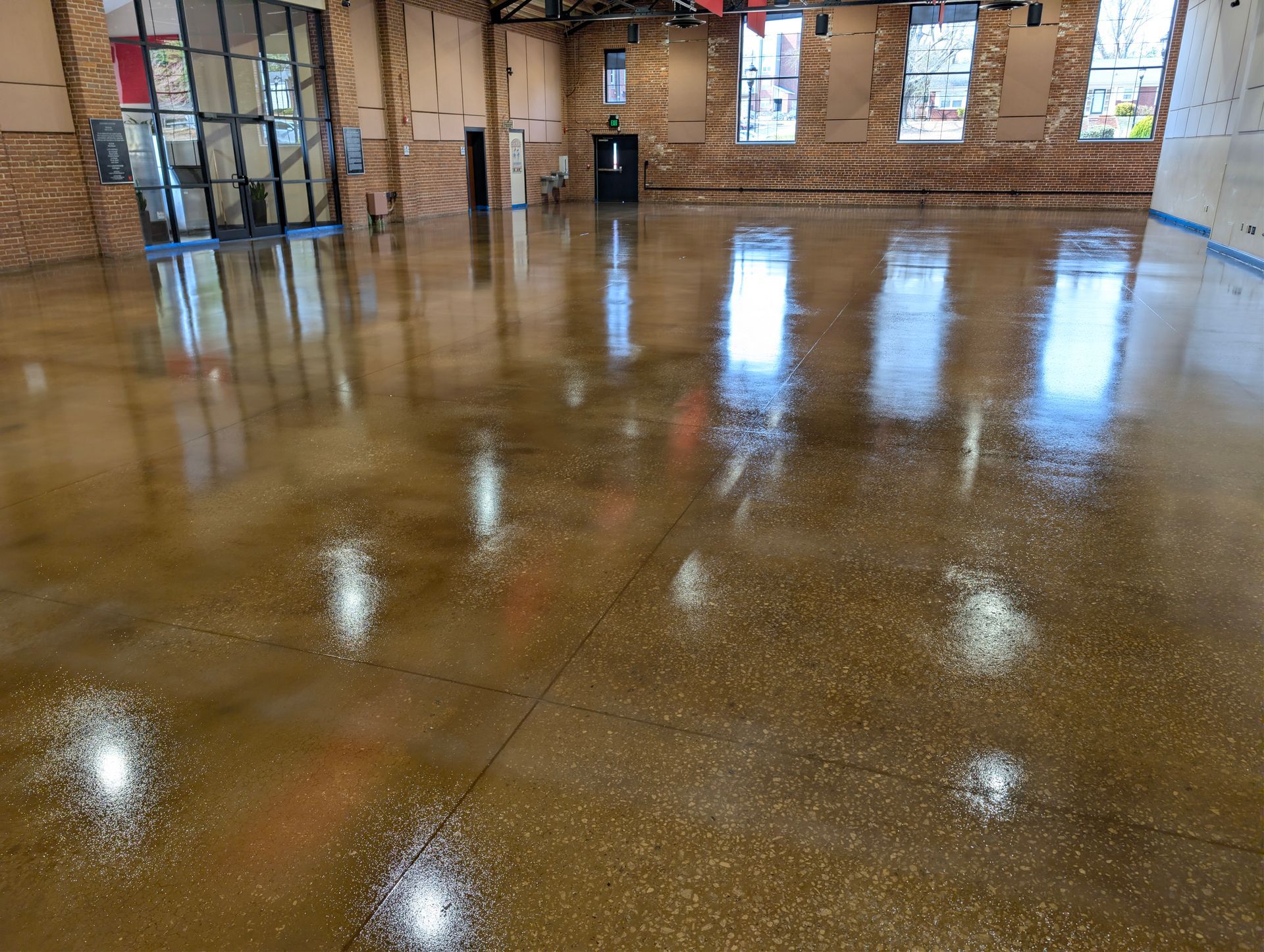
Polished concrete is a mechanical process. We grind the existing slab through progressively finer diamond pads, harden it with a densifier, and refine it to your chosen sheen, from a matte satin to a high-gloss mirror finish. Nothing is added on top; the shine comes from the concrete itself.
Because there's no coating layer, polished concrete can't peel, chip, or delaminate. It's the same surface you already own, made harder and smoother. With proper care it lasts well over 20 years.
What Epoxy Coating Actually Is
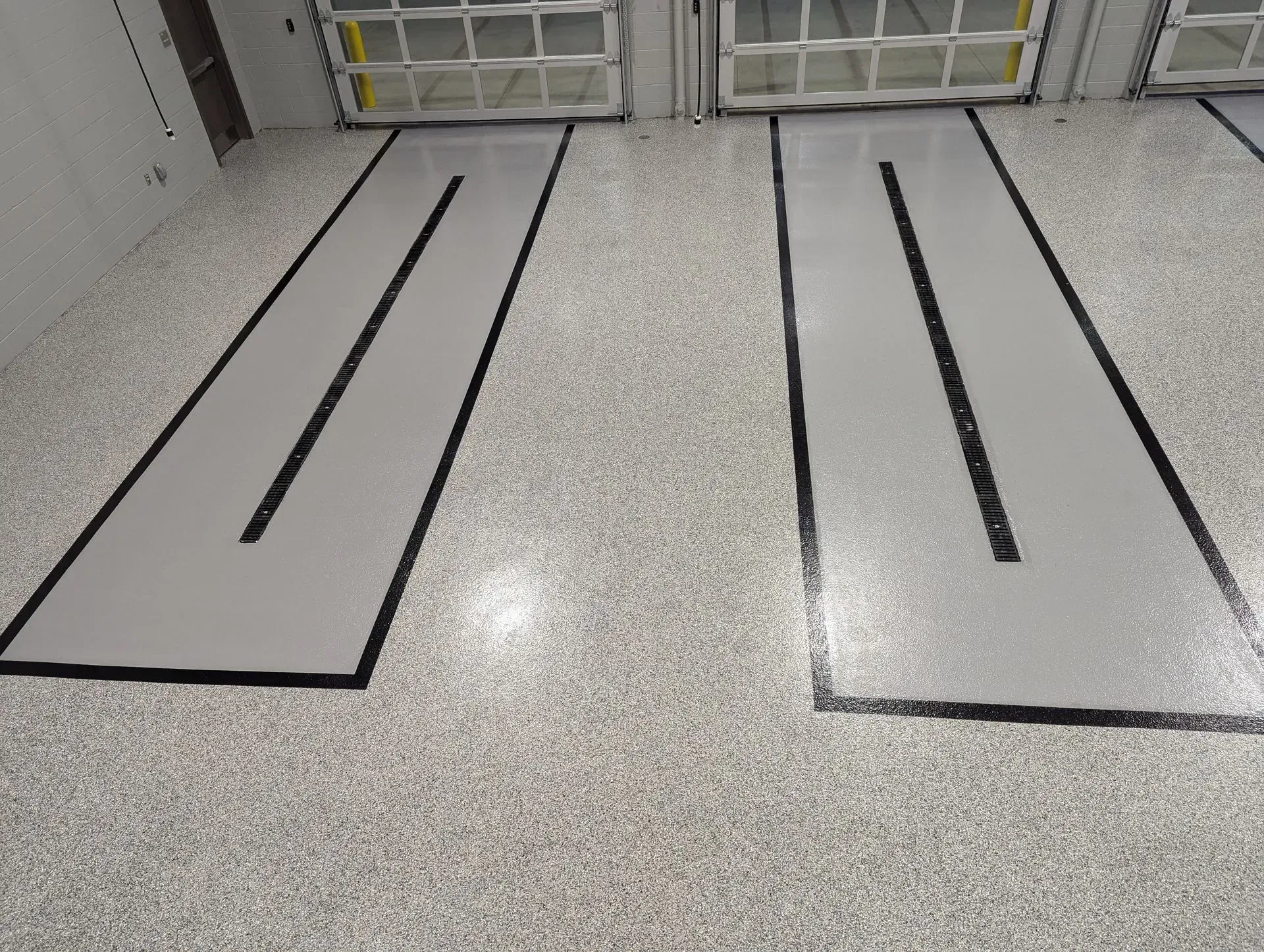
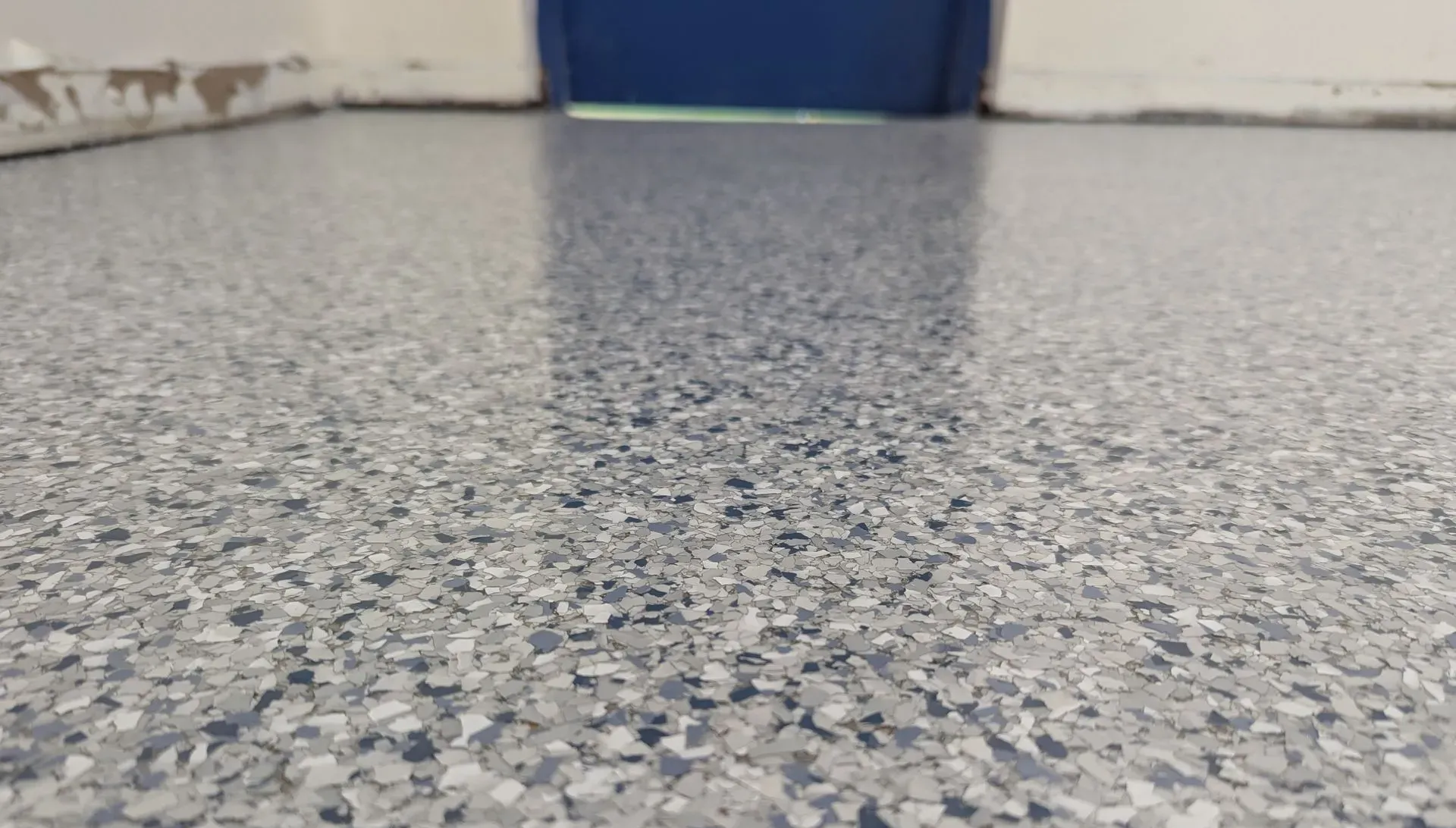
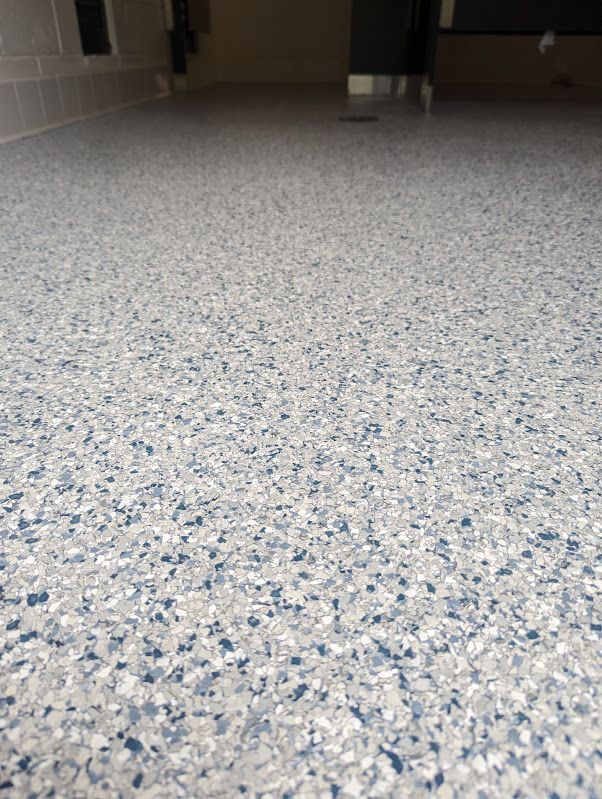
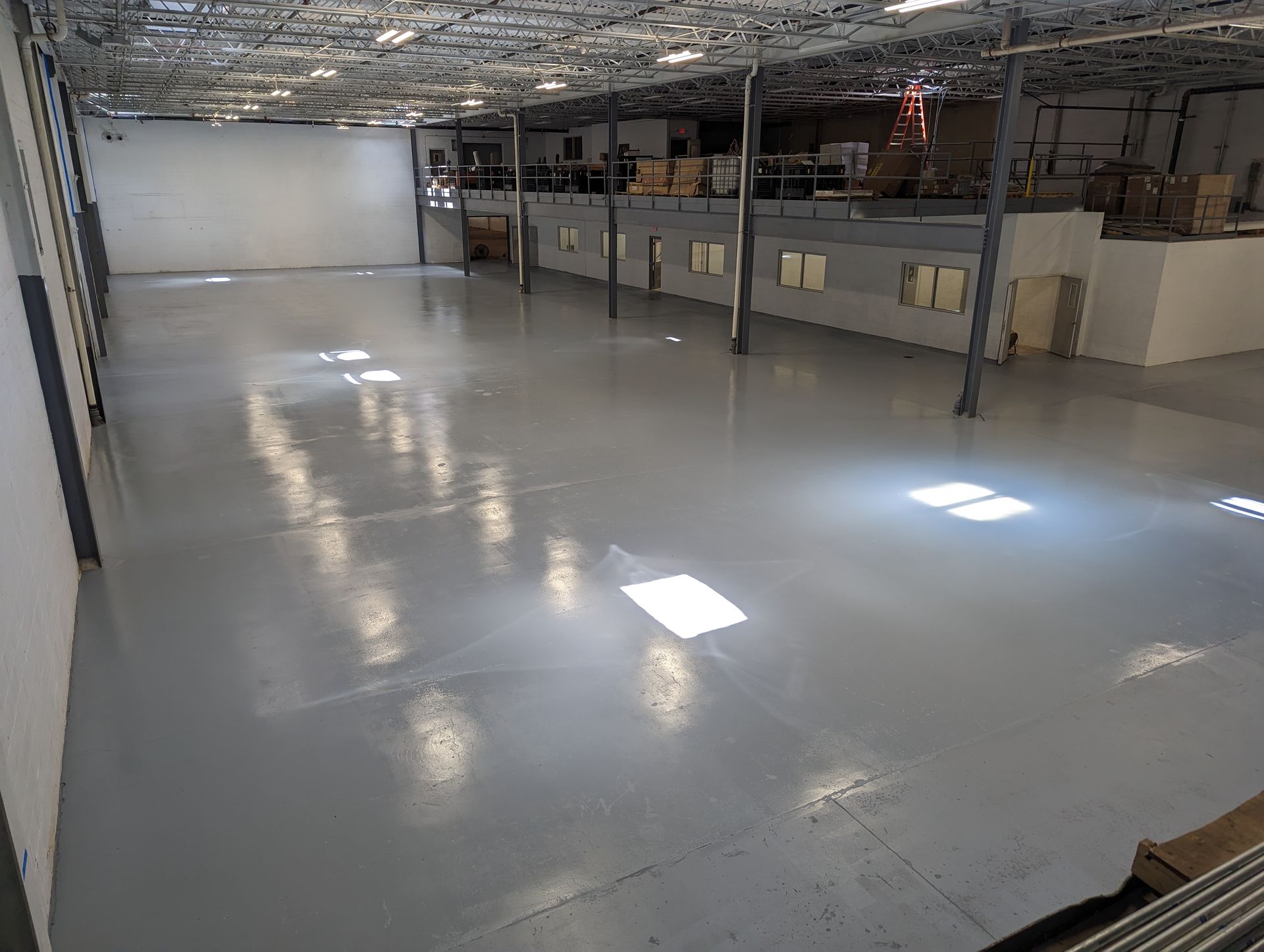
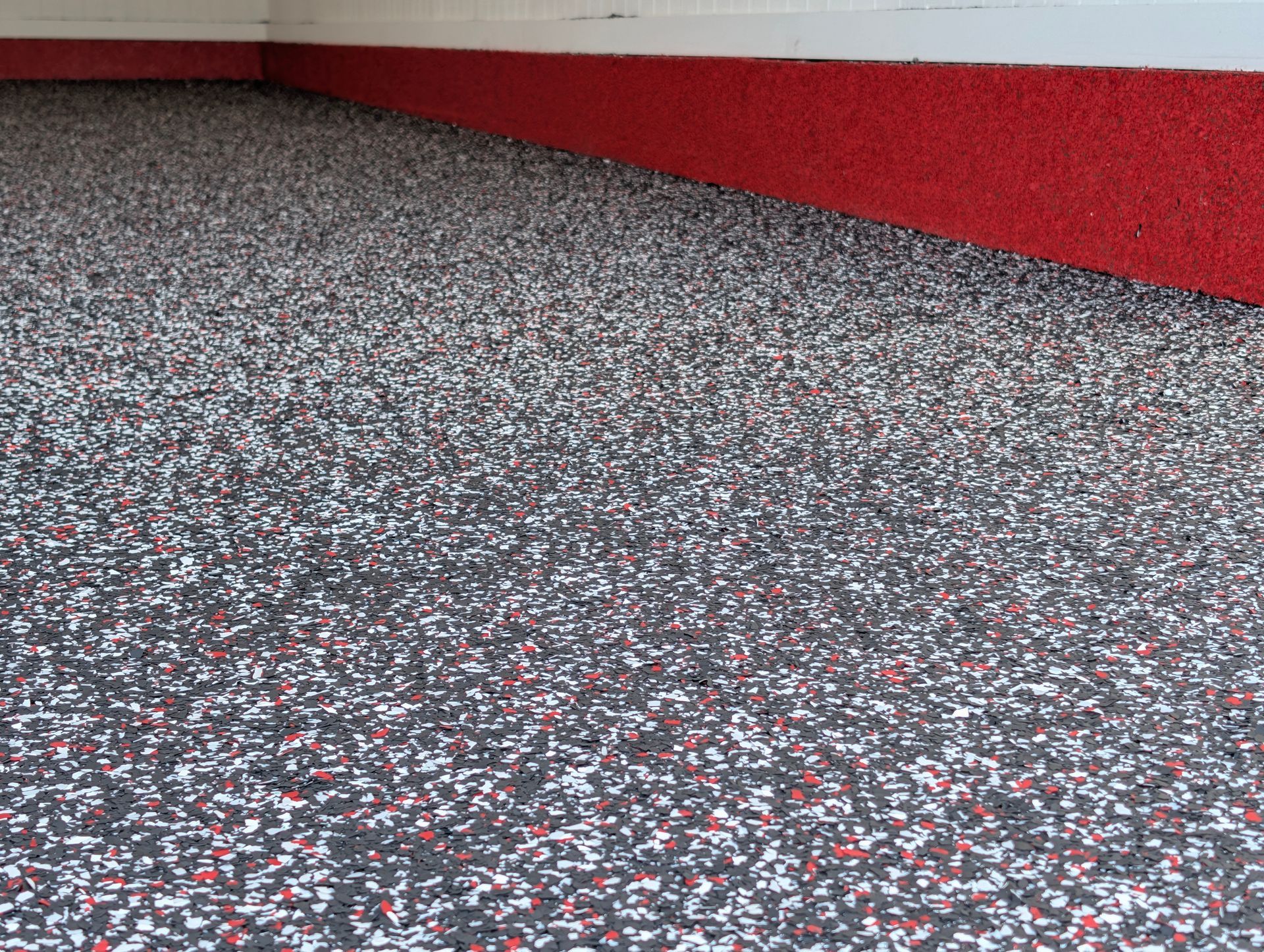
Epoxy is a coating system applied on top of your prepped concrete. We grind or shot blast the slab, repair cracks, then lay an epoxy base with your color or decorative flakes and finish with a UV- and chemical-resistant topcoat.
That coating layer is what gives epoxy its strengths: serious chemical and oil resistance, hot-tire resistance, and a wide range of colors and flake blends. Done right, an epoxy garage floor holds up 10 to 20 years.
Head-to-Head: The Real Differences
Durability
Both are tough. Polished concrete won't peel because there's nothing to peel, which makes it the more bulletproof choice against delamination. Epoxy resists chemicals and oil better, which matters if you wrench on cars or store solvents.
Chemical and Stain Resistance
Epoxy wins here. Its topcoat shrugs off oil, gas, brake fluid, and harsh cleaners. Polished concrete is stain-resistant once sealed, but an aggressive chemical spill left sitting can still etch it.
Look
This comes down to taste. Polished concrete gives you a sleek, modern, natural-stone look with a reflective sheen. Epoxy gives you color: solid tones, decorative flake blends, or metallic finishes you can't get from polishing alone.
Cost
For a garage, the two run close. Here's the working math:
- Polished concrete: $3.50 – $8.00 per square foot, depending on sheen and aggregate exposure.
- Epoxy coating: roughly $5 – $9 per square foot, depending on the system and finish.
For a typical 2-car garage, polished concrete often comes in slightly cheaper, especially at a matte or satin finish. A premium flake or metallic epoxy lands at the higher end.
Maintenance
Both are low-maintenance. Polished concrete needs occasional dust mopping and periodic resealing. Epoxy wipes clean easily and needs even less, though if the topcoat ever wears through in a high-traffic lane it has to be recoated.
Which One Wins for Your Garage?
Here's how we'd steer you, plainly:
- Choose polished concrete if your slab is in good shape, you want a natural modern look, and you're parking daily drivers without heavy chemical use.
- Choose epoxy if you want color and flake options, you do automotive work or store chemicals, or your slab has cosmetic flaws you'd rather hide under a coating.
- Lean toward epoxy if your concrete is pitted, stained, or patched, since a coating covers imperfections that polishing would only highlight.
- Lean toward polished concrete if avoiding any future peeling is your top priority.
If you're torn, we've put together a deeper side-by-side on our epoxy vs. polished concrete page. And if neither feels like a fit, a grind and seal is a budget-friendly middle ground worth asking about.
What to Ask Before You Decide
Before you commit to either, get clear answers on:
- What's the actual condition of my slab, and does it favor one option?
- Is the quote for a full mechanical prep, or a shortcut?
- For epoxy: is a UV- and chemical-resistant topcoat included?
- For polishing: what sheen level am I getting, and is a densifier and sealer part of the price?
- What's the realistic lifespan and recoat or reseal schedule?
How Blastek Approaches Garage Floors Across the Upstate
Whether you land on polished concrete or epoxy, our process starts the same way: we look at your actual slab. From there we prep mechanically, never with a shortcut, and finish to the spec that fits how you use the space. We do this for homeowners in Spartanburg, Greer, Anderson, Duncan, Travelers Rest, and across the Upstate, and we'll give you a straight recommendation even when it's the cheaper one.
Get a Free Estimate for Your Garage Floor
The best way to settle the polished-versus-epoxy question is to have us look at your concrete in person. Give Toby and the team a call at (864) 266-8841 for a free estimate, or reach us through our contact page. We'll assess your slab, walk you through both options with real numbers, and help you pick the one that actually fits your garage.