How Concrete Grinding Creates Safer, Level Surfaces

May 8, 2026

What Is Concrete Grinding and How Does It Work?

Concrete grinding is a simple way to smooth out rough or uneven concrete. It uses a special machine with spinning discs that gently shave down high spots. This process creates a flatter, more even surface that feels better under your feet. It works on driveways, sidewalks, garage floors, and more.


As the machine moves across the surface, it removes small layers of concrete with precision. The result is a clean, level finish without needing to tear everything out. It is fast, efficient, and helps bring worn concrete back to life.


How Concrete Grinding Creates a Safer Walking Surface

Uneven concrete can be dangerous for anyone walking across it. Small bumps or raised edges can cause trips and falls, especially for kids, older adults, or guests. Even a slight shift in the surface can catch someone off guard and lead to an accident. These hidden risks often go unnoticed until someone gets hurt.


Concrete grinding helps fix these problems by smoothing out those risky areas. Once the surface is level, it becomes much easier and safer to walk on. Shoes grip better, and there are fewer places to catch your foot. This simple improvement can make a big difference in how safe and comfortable your space feels every day.
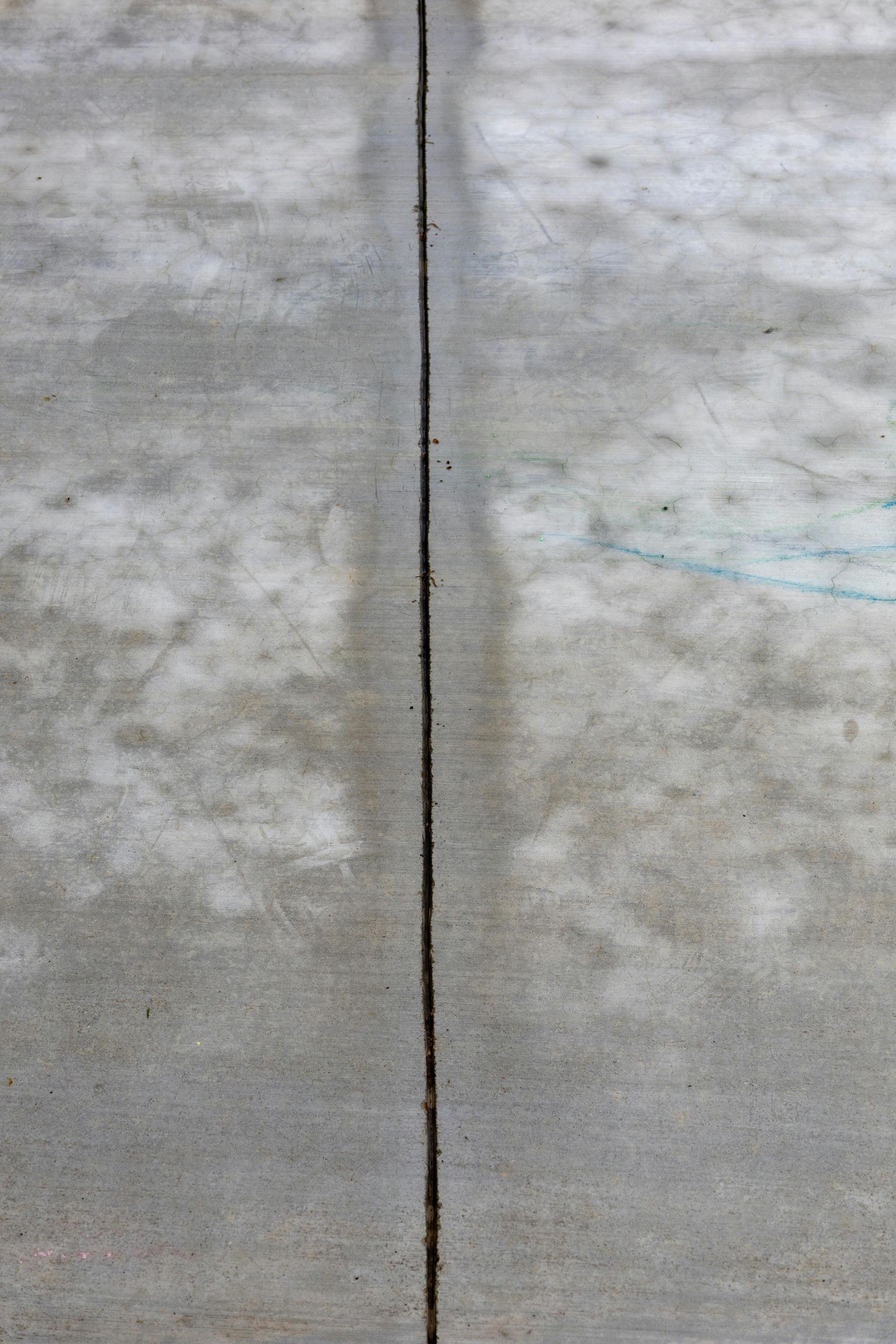
Cracked gray concrete wall with a vertical seam down the center

The Step-by-Step Process of Concrete Grinding for Leveling

The process of concrete grinding starts with a careful inspection of the surface. This step helps identify uneven spots, raised edges, and areas that could cause problems over time. Once those trouble areas are marked, professionals use specialized grinding equipment to slowly and evenly remove the high points.


As the grinding continues, the surface becomes smoother and more consistent. Dust is controlled during the process to keep the area clean and manageable. When the job is complete, the concrete looks refreshed, feels level, and is much safer to walk on without causing major disruption to your space.


Why Uneven Concrete Is a Safety Hazard in Homes and Businesses

Uneven concrete might not seem like a big deal at first, but it can quickly become a serious hazard. A small crack or lifted section can catch your foot and cause a sudden trip. These issues often get worse over time, especially with weather changes and daily use, turning a small problem into a bigger risk.


In homes, this can affect family members, kids, and guests. In businesses, it can lead to liability concerns and damage your reputation. Fixing these issues with concrete grinding helps create a smooth, level surface that protects everyone and keeps your property safe, comfortable, and welcoming.


How Concrete Grinding Eliminates Trip Hazards Effectively

Concrete grinding targets the exact spots that create tripping hazards. Instead of replacing the entire surface, it focuses on smoothing down raised edges and uneven sections that cause problems. This makes it a smart and efficient solution that saves both time and money while still delivering noticeable improvements.


By removing those uneven areas, the surface becomes flat and much easier to walk on again. It reduces the risk of slips and falls while improving overall comfort. This simple process can make a big difference, giving you peace of mind and a safer space for everyone who walks across it.


The Benefits of Concrete Grinding for Commercial Properties

Commercial properties see a lot of foot traffic every day. This makes safety a top priority for both customers and employees. Even small uneven spots can become hazards when people are constantly walking through the space. Concrete grinding helps smooth out walkways, entryways, and floors so everyone can move safely and confidently.


A level surface also improves the overall appearance of the property. It creates a clean, polished look that shows care and attention to detail. When your space looks well maintained, it builds trust and leaves a strong, positive impression on everyone who visits your business.


How Concrete Grinding Improves Drainage and Prevents Water Issues

Uneven concrete can cause water to collect in low spots, especially after rain or cleaning. Over time, this standing water can lead to stains, surface damage, and even slippery areas that increase the risk of falls. These issues may seem small at first, but they can grow into bigger problems if left untreated.


Concrete grinding helps correct the slope so water flows the way it should. When water drains properly, it protects your concrete from long-term wear and reduces the chance of slippery surfaces. This not only makes your space safer but also helps extend the life of your concrete.


When to Use Concrete Grinding Instead of Replacement

Not all damaged concrete needs to be replaced right away. In many cases, concrete grinding can solve the problem without the high cost and time of a full replacement. It works especially well when the issue is uneven surfaces, small lifts, or minor imperfections rather than deep structural damage.


Choosing concrete grinding can save both time and money while still delivering strong, lasting results. It allows you to improve safety and appearance without tearing everything out and starting over. This makes it a practical and smart option for homeowners and business owners looking for an efficient solution.


How Concrete Grinding Enhances the Appearance of Your Concrete

Concrete grinding does more than improve safety. It also helps your concrete look clean, smooth, and refreshed again. By removing rough spots, stains, and uneven areas, the surface becomes more even and visually appealing. This simple process can make older concrete look much newer without the need for a full replacement.


This upgrade can boost the overall look of your driveway, patio, or walkway. A smooth, well-maintained surface adds to the beauty of your property and creates a more welcoming feel. It shows pride in your space and helps your home or business stand out in a positive way.


Choosing Professional Concrete Grinding for Long-Lasting Results

Working with professionals ensures the job is done right the first time. They have the proper tools and hands-on experience to grind concrete evenly and safely. This means the surface is treated with care, avoiding damage while creating a smooth and level finish that holds up over time.


If you are ready to improve the safety and look of your concrete, now is a great time to take action. Contact Blastek Concrete Designs in Spartanburg, SC and call at (864) 266-8841 to learn how concrete grinding can transform your space into something safer, smoother, and more enjoyable every day.
September 23, 2026
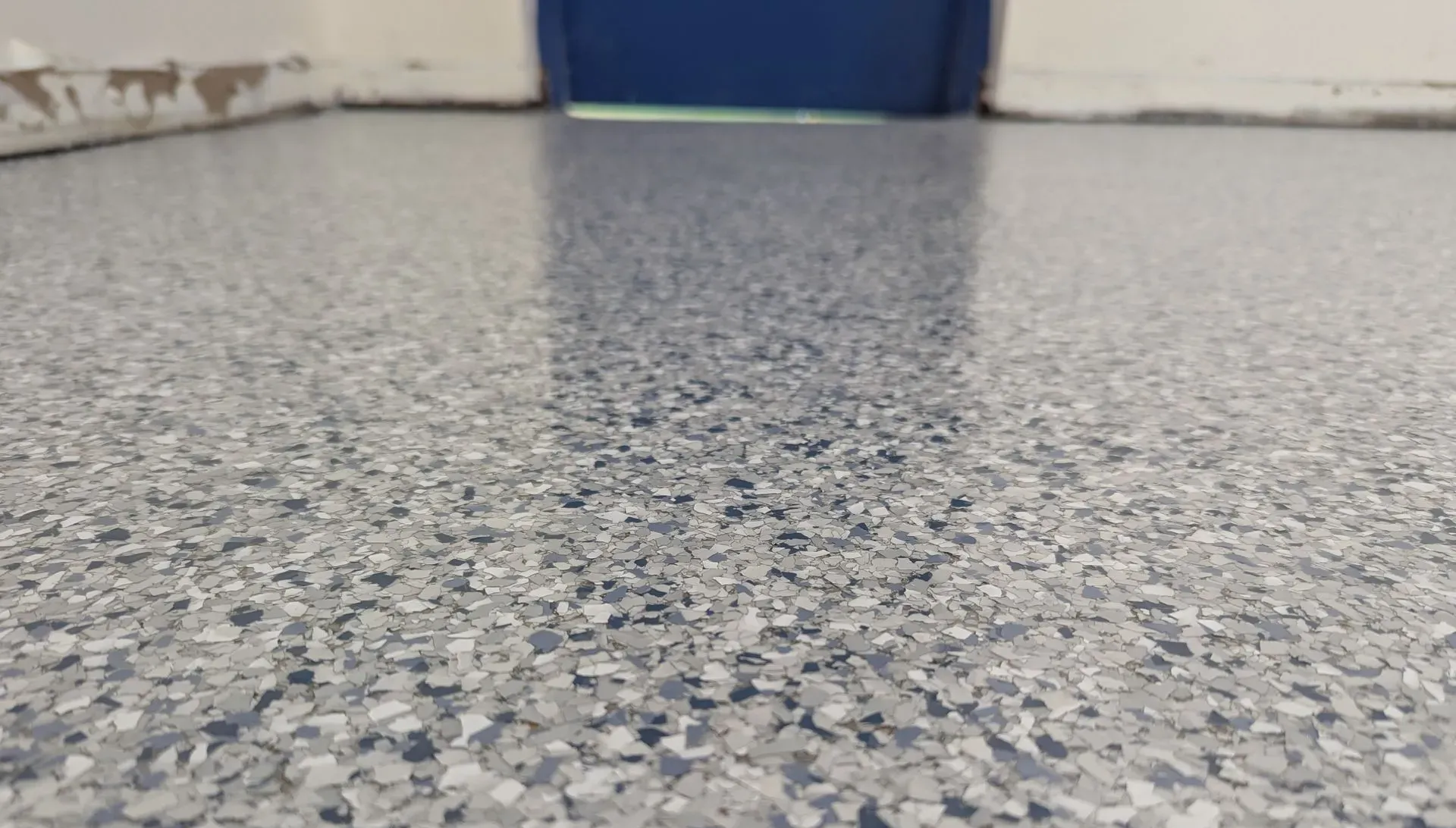
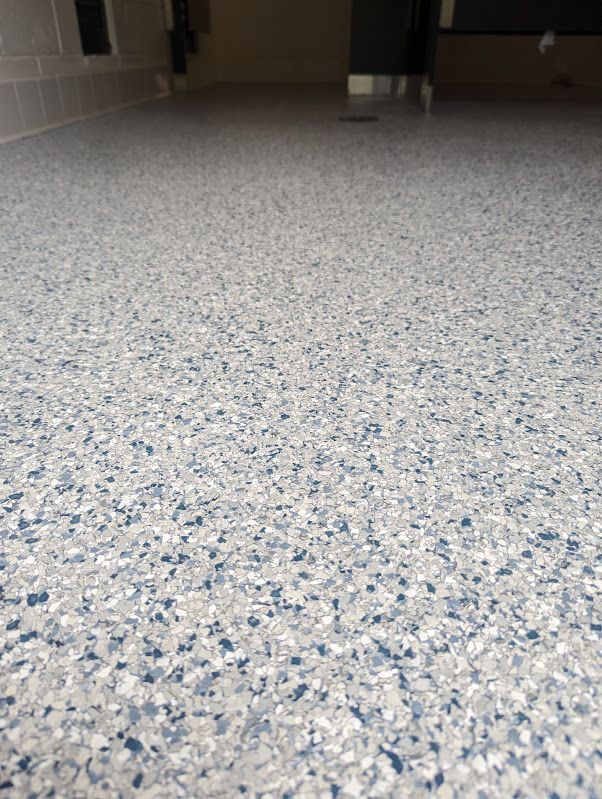
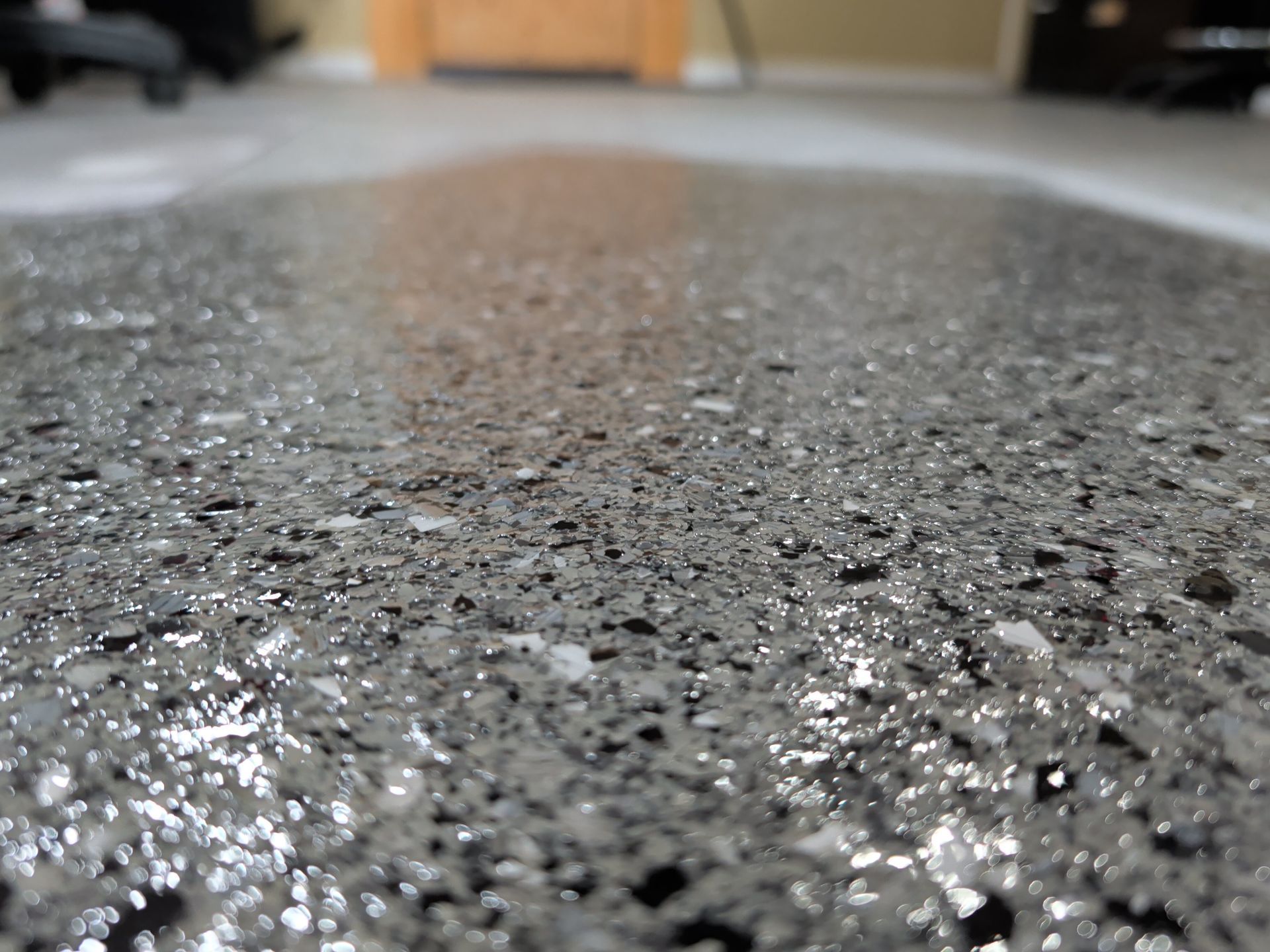
Ask five different homeowners how long their garage epoxy floor lasted and you'll likely get five different answers — sometimes years apart. The variance almost always comes down to a handful of factors that have nothing to do with luck and everything to do with prep, material quality, and how the floor gets used. Surface Prep Is the Single Biggest Factor An epoxy coating is only as strong as its bond to the concrete beneath it. Skipping proper grinding to open the concrete's surface pores, or coating over an existing sealer instead of bare, properly profiled concrete, is the single most common reason coatings fail early — peeling, bubbling, or delaminating within the first year or two, regardless of how good the epoxy itself is. Moisture Testing Before Coating Concrete is porous, and moisture vapor rising from below the slab is a leading cause of bubbling and blistering under a coating. Testing moisture levels before application, and addressing the issue with a moisture-mitigating primer if needed, prevents a failure mode that has nothing to do with the epoxy product and everything to do with what's happening underneath it. Material Grade Matters More Than People Expect A professional-grade epoxy coating system, rated for vehicle traffic and temperature swings, holds up meaningfully longer than a lower-grade DIY kit — particularly under the weight and heat of a parked car, where cheaper systems are prone to hot tire pickup and softening.  How the Space Gets Used A garage used purely for parking wears differently than one doubling as a workshop with rolling tool chests, dropped tools, and chemical exposure from oils or solvents. Heavier use doesn't necessarily mean a shorter lifespan, but it does mean the coating system needs to be matched to that use case from the start — a lighter residential-grade coating in a heavy-use shop setting will show wear faster than a system built for it. What a Well-Installed Floor Looks Like Years Later With proper prep, moisture testing, and a coating system matched to how the space is actually used, a garage epoxy floor can hold up well for many years with minimal maintenance beyond routine cleaning. The floors that fail early are almost always missing one of the steps above, not simply unlucky. Get Your Garage Assessed Considering a garage epoxy floor, or dealing with one that's already showing problems? Blastek Concrete Designs handles epoxy and coatings across Spartanburg and the Upstate. Call Toby at (864) 266-8841 or reach out through our contact page for a free estimate.
September 16, 2026
HOA clubhouses, event pavilions, and shared common areas take a different kind of wear than a private home or a warehouse. Hundreds of different feet walk through in a given month, spills happen at every event, and the space still has to look good enough to justify the association dues or rental fee. Plain gray concrete rarely does that job — but a full renovation is usually more than the space needs. We've worked on exactly this kind of project across Spartanburg and Greer, including a full grind, stain, and seal at an event space in Spartanburg and a clubhouse floor refresh at the Claremont Subdivision in Greer. This post covers the decorative concrete options that make sense for shared community and event spaces, and what property managers and HOA boards should know before budgeting for one. Why Decorative Concrete Fits Shared Spaces Durability under high, varied foot traffic — kids, event chairs, catering carts, dance floors Lower long-term maintenance than tile or carpet in common areas Design flexibility — color and pattern can match a clubhouse's existing branding or architecture Cost-effective compared to a full flooring replacement across a large shared footprint Decorative Options for Clubhouses and Event Venues Concrete Engraving and Scoring Engraving lets us cut clean geometric lines or custom patterns directly into the concrete — a strong option for entryways, logo medallions, or borders around a clubhouse lobby. It's one of our most requested engraving and scoring applications because it adds a custom look without changing the underlying material. Stain and Color Variation For larger open floor areas — ballrooms, event halls, pavilion floors — concrete staining gives a warm, natural color variation that reads as intentional rather than a plain poured floor. It holds up to repeated event setup and breakdown far better than most flooring alternatives. Decorative Overlays Where the existing slab has wear or staining that a color treatment alone won't fix, a decorative overlay resurfaces the floor with a new textured or patterned finish — useful for older clubhouses where the original concrete has years of wear on it. Real Projects: What This Looks Like Our event space grind, stain, and seal project in Spartanburg addressed exactly this kind of shared-use floor — a space that hosts different events week to week and needed a finish that could handle setup, breakdown, and heavy foot traffic without looking worn within a year. The Claremont Subdivision Clubhouse project in Greer is a similar case: an HOA common area where the board wanted a refreshed look without the cost or downtime of a full flooring replacement. What HOA Boards and Property Managers Should Ask Can the space stay in partial use during the project, or does it require a full closure? What's the expected turnaround time for a floor this size? How does the finish hold up to folding chairs, tables, and event equipment being moved repeatedly? What's the maintenance and re-sealing schedule for a high-traffic shared space like this? Is the finish slip-resistant, particularly near entrances where moisture gets tracked in? How Blastek Approaches Community and Event Spaces We work directly with HOA boards, property managers, and event venue owners across Spartanburg, Greer, and the Upstate to schedule around the space's actual usage — not just our own timeline. Because these floors serve a lot of different people, we walk the space, talk through what the finish needs to survive, and recommend the option that fits the budget and the traffic pattern honestly.  Get a Free Estimate for Your Community or Event Space Give Toby a call at (864) 266-8841 or reach out through our contact page . We'll walk your clubhouse, pavilion, or event space and recommend the finish that fits how it's actually used.
September 9, 2026
A retail showroom floor and an auto shop floor face completely different conditions. One deals with foot traffic and the occasional spill. The other deals with dropped tools, jack stands, hot tire rubber, oil, brake fluid, and vehicles rolling across the same few feet of concrete dozens of times a day. If your epoxy coating isn't specified for that kind of use, it won't hold up regardless of how good it looks on day one. We get calls from shop owners across Spartanburg, Boiling Springs, and the Upstate after a coating that looked great for six months starts peeling at the tire zones or bubbling near the lift pads. This post covers what an auto shop floor actually has to survive, and what to specify so it doesn't happen again. What an Auto Shop Floor Has to Survive Constant oil, brake fluid, coolant, and solvent exposure Point-load impact from dropped tools, transmission jacks, and engine stands Hot tire pickup — rubber compounds that soften and stick to the wrong coating in summer heat Constant rolling load from vehicles and equipment carts Lift pad pressure — concentrated static and dynamic loads directly under two- and four-post lifts Why Standard Garage Epoxy Isn't Enough A lot of the coatings marketed for residential garage floors are built for occasional vehicle traffic and light spills, not the daily abuse of a working shop. Thin, single-coat systems chip at impact points and soften under chemical exposure faster than most shop owners expect. For a real automotive environment, the system needs to be specified for commercial and industrial use from the start, not upgraded after the first coating fails. What a Shop-Grade Epoxy System Needs Chemical Resistance Full epoxy or epoxy-urethane hybrid systems resist oil, brake fluid, and solvents far better than single-coat paint-grade products. This matters most directly under lift pads and around parts-washing stations, where chemical exposure is constant rather than occasional. Impact and Abrasion Resistance Broadcast systems with aggregate or quartz media hold up to dropped tools and dragged equipment better than a smooth topcoat alone. Thickness matters here — a thin cosmetic coat won't survive point-load impact the way a full-thickness system will. Hot Tire Pickup Resistance Standard epoxy can soften under hot tires parked overnight, leading to lifting and marking. Epoxy-urethane hybrid topcoats are formulated specifically to resist this — worth specifying if the shop regularly has vehicles sitting on the same spot. Slip Resistance Shops deal with oil on the floor more than almost any other commercial environment. A slip-resistant additive in the topcoat isn't optional here — it's a basic safety requirement. Drain and Layout Considerations Floor coatings around drains, trench drains, and lift pits need special attention during installation. Coating has to be feathered and sealed properly at these transitions, or you end up with an edge where the coating lifts first. If your shop has an existing drainage issue, that needs to be addressed before coating goes down — sealing over a floor that holds standing fluid accelerates coating failure regardless of the product used. What to Ask Before You Hire Someone for a Shop Floor Is the system rated for commercial/industrial use, or is it a residential garage product? What's the total system thickness, and does it include a broadcast or aggregate layer for impact resistance? Is the topcoat rated for hot tire pickup resistance? How is the floor prepped — ground, shot-blasted, or just cleaned? Proper prep is what makes the coating bond in the first place. What's the plan for drains, lift pads, and any existing cracks or damage in the slab before coating starts? How Blastek Approaches Auto Shop and Mechanic Floors We install commercial-grade floor coatings across Spartanburg, Boiling Springs, Greer, and the Upstate that are specified for the actual conditions of the space — not a one-size-fits-all residential product. For a working shop, that means chemical resistance, impact-rated broadcast systems, and proper prep and sealing around drains and lift pads from the start.  Get a Free Estimate for Your Shop Floor Give Toby a call at (864) 266-8841 or reach out through our contact page . We'll walk your shop and spec a system built for the way the floor actually gets used.
September 2, 2026
Polished concrete and epoxy coatings both turn a plain slab into a finished floor, but they're fundamentally different processes with different strengths. One refines the concrete itself; the other adds a coating on top. Which one fits your space depends on a few specific factors. How Each Floor Is Made Polished concrete is a mechanical process — grinding the existing slab with progressively finer diamond abrasives until it reaches a smooth, reflective sheen, sometimes combined with stain for color. It's part of our stain and polish service. Epoxy, on the other hand, is a coating applied on top of the existing slab — a resin system that cures into a hard, seamless surface, available in solid colors, decorative flake, or metallic systems as part of our epoxy and coatings service. Appearance and Customization Polished concrete has a natural, stone-like look — the shine comes from the concrete itself, ranging from a soft matte to a near-mirror gloss, with color options if it's combined with a stain. Epoxy has a wider range of decorative options: solid colors, quartz systems, and flake or metallic finishes that create a more dramatic, dimensional look than polished concrete can produce on its own. Durability and Moisture Both hold up well under normal use, but they respond differently to one specific issue: moisture rising up through the slab from below. Because epoxy is a coating sitting on top of the concrete, trapped moisture underneath is one of the more common causes of bubbling or delamination over time, especially on basement or below-grade floors — which is why proper moisture testing before coating matters. Polished concrete doesn't have this failure mode in the same way, since there's no separate coating layer to lift; the finish is the slab itself. Maintenance Polished concrete is close to maintenance-free — no waxing, resealing, or refinishing on a routine basis, just regular cleaning. Epoxy floors also hold up well day to day, but the coating layer means it can show wear, scratching, or UV yellowing over years of heavy use, and eventually may need a recoat depending on traffic and exposure. Cost Comparison Polished concrete: $3.50–$7.00 per sq. ft. for a matte finish, $5.00–$10.00 per sq. ft. for high-gloss polished and stained. Epoxy — solid color: $3.00–$5.50 per sq. ft. Epoxy — metallic: $6.00–$10.00 per sq. ft. Epoxy — polyaspartic: $7.00–$12.00 per sq. ft. Both start in a similar range at the low end, with the final number depending on the specific finish, prep work needed, and square footage. Where Each One Fits Best Polished concrete tends to be the better fit for basements, showrooms, and spaces where long-term, low-maintenance shine matters most, since moisture and wear are less of a concern. Epoxy tends to be the better fit for garages, industrial floors, and spaces that benefit from a decorative flake finish or a non-slip surface, where the coating's customization options and traction add real value.  Get a Recommendation for Your Floor Not sure which fits your space? Blastek Concrete Designs installs both polished concrete and epoxy and coatings for homes and businesses across Spartanburg and the Upstate. Call Toby at (864) 266-8841 or reach out through our contact page for a free consultation.
August 31, 2026
Epoxy garage floor pricing depends mainly on two things: how much square footage is being coated, and which finish you choose. Here's what that actually looks like in dollar terms for a typical Upstate SC garage, based on our current garage floor epoxy coating pricing. Typical Cost by Garage Size 1-Car (250 sq. ft.): $1,200 – $2,000 2-Car (500 sq. ft.): $2,400 – $4,500 3-Car (750 sq. ft.): $3,600 – $6,500  What's Included in That Price A garage floor epoxy price covers the full process, not just the coating itself — surface grinding and prep, crack repair where needed, the epoxy application, and a topcoat sealer. Skipping or shortcutting prep is the most common reason an epoxy floor fails early, so it's built into the base price rather than treated as an optional add-on. What Pushes the Price Up Custom flakes, metallic finishes, and premium sealers add cost but extend durability. A solid-color epoxy floor sits at the lower end of the range; adding a decorative flake broadcast, a metallic finish, or a higher-grade polyaspartic topcoat moves the price up within — or sometimes above — the ranges listed here. Solid Color vs. Metallic vs. Polyaspartic Solid-color epoxy: $3.00–$5.50 per sq. ft. — the most straightforward, budget-friendly option. Metallic epoxy: $6.00–$10.00 per sq. ft. — a dimensional, marbled look with more visual depth. Polyaspartic coatings: $7.00–$12.00 per sq. ft. — faster cure time and added durability, often used where the garage needs to be back in use quickly. Getting an Accurate Quote These ranges are a starting point — an accurate number depends on your garage's exact square footage, current slab condition, and which finish you're leaning toward. Blastek Concrete Designs installs epoxy and coatings for homes and businesses across Spartanburg and the Upstate. Call Toby at (864) 266-8841 or reach out through our contact page for a free, on-site quote.
August 26, 2026
If you've got a concrete patio in Spartanburg, Boiling Springs, Inman, or anywhere in the Upstate that's seen better days, staining it is almost always a better option than replacing it. The slab you have is already there. It's structurally sound. The problem is the surface — faded, stained, or just a plain gray slab that doesn't match the outdoor space you're trying to create. Stained concrete addresses all of that without removing a single square foot of existing concrete. Done right, it lasts years, handles South Carolina weather, and produces a result that looks far more intentional than any new gray slab would. Here's what to understand before you start a patio staining project in the Upstate. What Staining Does to Concrete — and What It Doesn't Staining doesn't add a new layer on top of the slab. It changes the color of the existing concrete and seals it. The concrete itself is still the surface — textured, slightly porous, with the character and variation of the original slab showing through the color. That's a feature, not a bug. Acid stain in particular produces a rich, mottled, organic look that's different on every slab because it chemically reacts with the minerals in your specific concrete. The variation is what makes it look like a finished material rather than paint on a floor. What staining doesn't do: hide major structural cracks, level an uneven surface, or cover deep spalling. Those have to be addressed separately before any stain goes down. A stained floor reveals everything in the slab — which means prep work matters as much as the stain itself. Why South Carolina's Climate Creates Specific Challenges for Outdoor Stained Concrete An indoor stained concrete floor and an outdoor patio stain face completely different environments. Upstate SC in particular puts outdoor concrete through conditions that most other markets don't deal with the same way: UV Exposure South Carolina summers deliver intense, direct sun — especially on south and west-facing patios. Standard interior sealers yellow, chalk, or break down under UV exposure, sometimes within a single season. The right outdoor patio finish uses a UV-stable sealer rated for direct sun, not the same product that goes on an interior floor. This is one of the most common places we see other contractors cut corners. Humidity and Moisture High ambient humidity plus the freeze-thaw cycles that Upstate SC does see — less severe than further north, but real — means outdoor sealers have to flex slightly with the concrete rather than forming a brittle film. The wrong sealer cracks, peels, and allows moisture to get underneath, which degrades the stain over time. Pollen and Biological Growth Spartanburg's pollen season is aggressive, and sealed outdoor concrete accumulates pollen, algae, and mildew faster than indoor surfaces. The sealer has to be cleanable without using products that break it down. Knowing what cleaning products are safe for your specific sealer is something we cover before every patio project. Drainage Patios that pool water or drain toward the house cause long-term problems for any finish system. If your patio has a drainage issue, it needs to be addressed before staining — and not after. Sealing over a patio that holds water will accelerate sealer failure regardless of product quality. Stain System Options for Spartanburg Patios Acid Stain The classic outdoor patio finish. Acid stain chemically reacts with the calcium and minerals in the concrete to produce rich, layered, earth-toned color — browns, tans, terracotta, deep greens, warm grays. No two applications look the same, which is part of the appeal. The color is in the concrete, not on top of it, so it doesn't peel or chip. Sealed with a UV-stable outdoor sealer, acid-stained patios hold up well in Upstate conditions. Water-Based Stain More color options, more predictable results. If you have a specific color in mind — something that matches landscaping, siding, or outdoor furniture — water-based stain gives you better control than acid stain. The look is slightly more uniform, which fits modern or contemporary outdoor aesthetics well. Grind, Stain, and Seal For patios with old failed sealers, contamination, or surface staining that would interfere with new stain application, we grind the surface first before staining. This removes whatever's on top and opens the concrete to accept the stain cleanly. Our concrete grinding and sealing process is the foundation for most of our outdoor staining work — it's what makes the color consistent and the bond reliable. What the Process Looks Like For a typical Upstate patio staining project: Assessment: We walk the slab, check for cracks, drainage issues, existing sealers or contamination, and moisture conditions. Surface prep: Clean, grind if needed, repair cracks and patches. Test stain color in a small area. Stain application: Apply acid or water-based stain in the selected color. Allow to react and dry fully. Sealer application: Apply UV-stable outdoor sealer in the appropriate sheen — matte, satin, or low-gloss. Slip-resistant additive mixed in for safety. Cure time: Most patio stain-and-seal projects can handle light foot traffic in 24 hours and furniture in 48-72 hours. Most residential patio projects are done in 2-3 days. Larger or more complex surfaces take longer. What to Ask Before Signing a Contract What sealer are you using, and is it rated for outdoor UV exposure? — this is the single most important question for an outdoor patio project. If the contractor can't name the product or doesn't distinguish between indoor and outdoor sealers, that's a warning sign. Will you test the stain color on the actual slab before full application? — concrete takes color differently than a sample card. A test patch is non-negotiable on any quality patio project. How do you handle existing contamination or failed sealer? — stain bonds to clean, open concrete. If the existing surface has residue, oil, or old sealer that isn't addressed first, the stain won't absorb evenly. What cleaning products can I use on this sealer? — the wrong cleaner degrades the sealer faster. You need to know this before the project is done, not after the sealer starts to fail. What does re-sealing look like in 3-5 years? — outdoor sealers wear faster than indoor sealers. A good contractor will tell you what the maintenance program looks like upfront. What Outdoor Patio Staining Costs in Spartanburg For most residential patios in the Upstate, stain-and-seal projects fall between $3 and $7 per square foot depending on slab condition, stain system, and prep required. A 300-400 sq ft patio typically runs between $1,200 and $3,500 . Patios with significant contamination removal, crack repair, or multi-color decorative work run higher. For comparison, paver overlays on the same patio typically run 3-5x that cost, and full slab replacement even more. For most structurally sound patios, staining delivers a better-looking result at a fraction of the cost of either alternative. How Blastek Approaches Outdoor Concrete in the Upstate We've stained patios, pool decks, walkways, and outdoor surfaces across Spartanburg, Boiling Springs, Greer, Inman, Cowpens, Chesnee, and into the western Upstate. Our approach is the same for every outdoor project: assess the slab honestly, address drainage and contamination before staining, use UV-stable outdoor products exclusively, and tell you upfront what the maintenance program looks like. Our concrete staining work for outdoor surfaces uses the same attention to prep and product selection that we apply to commercial floors — because the Upstate climate doesn't give us room to cut corners on outdoor jobs.  Get a Free Estimate for Your Spartanburg Patio Give Toby a call at (864) 266-8841 or reach out through our contact page . On-site assessments are free across Spartanburg, Boiling Springs, Greer, Inman, Cowpens, and the surrounding Upstate. We'll walk the slab, talk through color and finish options, and send you a written estimate.
August 19, 2026
One of the most common questions we get from homeowners and business owners across Spartanburg, Boiling Springs, Inman, and the Upstate sounds simple but rarely has a simple answer: can this concrete be saved, or does it need to come out? The honest answer depends on what's actually wrong with the slab — and a lot of contractors won't tell you the full picture before they hand you a quote. Either they're in the business of replacement and have a reason to recommend it, or they specialize in overlays and coatings and have a reason to say the slab is salvageable. Neither incentive leads to a straight answer. Here's how we actually assess a slab at Blastek, and the decision tree that tells us whether resurfacing makes sense or whether we're going to recommend the client look at other options. What "Resurfacing" Actually Means Before the assessment framework makes sense, it helps to be clear about what resurfacing covers. When we talk about resurfacing at Blastek, we mean finishing, coating, or overlaying the existing concrete — and not installing new concrete. We don't pour new slabs. What we do is take existing concrete and improve what it looks like, how it performs, and how long it lasts. The systems we work with include: Grind and seal — grind the surface to remove damage and contamination, apply a protective sealer. Good for sound slabs with surface-level wear. Stain and seal — color plus sealer on a properly prepped surface. Adds aesthetic value to a structurally sound slab. Concrete overlays — a thin layer of polymer-modified concrete applied over the existing slab. Can cover significant surface damage, change the texture, and allow decorative finishes like flagstone or stamp patterns. Epoxy and coating systems — applied over a prepared slab to add protection, durability, and appearance. Each of these requires the underlying slab to meet a baseline condition. The question is always: does this slab meet that baseline? The Four Things We Look At 1. Structural Integrity This is the non-negotiable. A slab that's heaving, sinking, or actively moving due to soil failure, tree roots, or subsurface erosion cannot be resurfaced. Putting a coating or overlay on a moving slab means the finish will crack and fail as the slab continues to move — usually within a year. Signs of structural failure: significant vertical displacement between slab sections, sections that rock when walked on, active water intrusion from below, or cracking that's widening over time rather than holding stable. If the slab is structurally compromised, the only honest recommendation is to address the underlying cause — which typically means removal, subgrade repair, and new concrete from a general contractor. That's outside what we do, and we'll tell you that directly. 2. Crack Type and Pattern Not all cracks are equal, and crack pattern tells us a lot about what's happening underneath. Hairline cracks — `$normal shrinkage, stable, not a concern for most resurfacing systems Settled cracks with vertical displacement — one side is higher than the other. This means the slab has moved. May still be resurfaceable if movement has stopped, but needs assessment. Map or spider cracking — a web of fine surface cracks, often from ASR (alkali-silica reaction) or freeze-thaw cycles. Can be overlaid if the underlying structure is sound. Deep structural cracks — cracks that go through the full depth of the slab. A problem. Overlay materials can bridge surface cracks but can't hold together a slab that's fractured through. Active cracks — cracks that are moving, widening, or showing fresh concrete debris. Means the problem is ongoing. Resurfacing over an active crack will fail. Our concrete repair work addresses many crack situations before any overlay or coating goes down — but some crack conditions make resurfacing impractical regardless of prep work. 3. Surface Condition Surface damage — spalling, pitting, scaling, delamination of old coatings — is usually what homeowners and business owners are most concerned about. The good news is that surface damage is almost always addressable without full replacement. Grinding removes surface contamination and failed coatings. Overlays can fill and level pitting and spalling. The key is whether the damage is purely surface-level or whether it extends into the structural layer of the slab. Heavy spalling — where chunks of concrete are breaking away and exposing aggregate or rebar — can still be addressed with repair and overlay, but the economics change. At some threshold of surface damage, the cost of prep and repair approaches the cost of replacement, and replacement starts to make more sense. 4. Moisture and Drainage South Carolina's humidity and rainfall create moisture conditions that affect every resurfacing decision. Slabs with active moisture transmission from below — especially basement and below-grade slabs — need moisture mitigation before any coating or overlay goes down. Skip this step and the coating delaminates. Outdoor slabs with poor drainage that pool water against the slab edge or over the surface will continue to fail any finish system over time unless the drainage issue is fixed first. We flag this at the assessment stage because it's cheaper to address drainage before a resurfacing project than to redo the job because water failed it. Our concrete resurfacing assessments always include a moisture check — it's one of the first things we look at. When Resurfacing Makes Clear Sense Slab is structurally sound — no heaving, sinking, or active movement Cracking is stable, surface-level, or limited to hairlines Surface damage is cosmetic — staining, discoloration, minor spalling, old failed sealers Moisture levels are manageable or addressable with primer/mitigation The existing slab has good bones — thickness, aggregate, overall condition are solid In these cases, resurfacing costs a fraction of replacement, takes a fraction of the time, and often produces a better-looking result than new gray concrete. When to Seriously Consider Replacement Slab is heaving or actively moving due to subgrade failure Structural cracks are through-depth and active Rebar exposure and corrosion is widespread The slab is below minimum thickness for the load it needs to carry Drainage issues can't be resolved without full removal The cost of repair and prep approaches or exceeds the cost of new concrete We'll tell you when we think you're in replacement territory — even though it means we're not doing the job. That's a better outcome for everyone than installing a resurfacing system over a slab that isn't going to hold it. What This Assessment Looks Like in Practice For every resurfacing project across Spartanburg, Greer, Boiling Springs, Cowpens, and the Upstate, we walk the slab before we quote anything. We look at crack patterns, test for hollow spots with a chain drag or hammer tap, check for moisture, assess the surface condition, and talk through the drainage situation. That takes 20-30 minutes on most residential projects and a bit longer on commercial slabs. The assessment is free. And if what we find tells us the slab isn't a good resurfacing candidate, we'll say so — and point you toward who can help with the next step.  Get a Free Slab Assessment in Spartanburg Give Toby a call at (864) 266-8841 or reach out through our contact page . On-site assessments are free across Spartanburg, Boiling Springs, Greer, Inman, Cowpens, and the surrounding Upstate.
August 12, 2026
Concrete staining has become one of the most requested floor upgrades for commercial spaces across Spartanburg, Boiling Springs, Greer, and the surrounding Upstate. Retail stores, office buildings, restaurants, event venues, and medical practices are all moving away from VCT and tile toward stained concrete — and for good reason. Done right, it's durable, low-maintenance, and looks like it belongs in a space that was designed with intention. But commercial staining is different from residential staining in ways that matter. A homeowner staining a basement or patio has more margin for error. A business owner staining 3,000 square feet of retail floor in a space that opens to customers in two weeks does not. Here's what to understand before committing to commercial stained concrete in the Upstate. Why Commercial Floors Are a Different Problem Residential concrete staining is mostly about aesthetics and light use. Commercial staining has to account for a set of demands that residential floors rarely face: Foot traffic volume — a retail floor with hundreds of customers daily will wear the sealer differently than a home patio that sees foot traffic on weekends Rolling loads — carts, dollies, hand trucks, and office chairs on wheels all stress the sealer and surface in ways foot traffic doesn't Chemical exposure — cleaning crews in commercial spaces use stronger disinfectants and floor cleaners than most homeowners use, and the wrong sealer breaks down under repeated exposure Health and safety requirements — commercial floors may need to meet slip-resistance standards, especially in food service, medical, or public-access spaces Schedule pressure — most commercial projects have a hard reopening date, which means install timing, cure time, and reoccupancy windows have to be planned precisely A stained concrete contractor who works primarily on residential patios and garages may not have experience managing all five of those variables simultaneously. It's worth asking specifically about commercial project history before signing anything. What Concrete Staining Actually Does to a Commercial Floor Staining doesn't add a new surface on top of your floor — it changes the color of the existing concrete and seals it. Acid stain chemically reacts with the minerals in the slab to produce rich, mottled, earth-toned color that's unique to your specific concrete. Water-based stain bonds to the surface and gives more predictable, uniform color across a wider palette. Either way, the result is still concrete — just colored and sealed. There's no coating to peel, no grout lines to stain, no seams to lift. The sealer wears over time in high-traffic areas, but a commercial-grade sealer maintained with periodic re-application extends the floor's life significantly. Our concrete staining work in commercial spaces uses sealer systems matched to the traffic volume and cleaning program — not the same products we'd put on a residential patio. What the Slab Condition Actually Determines More than almost any other variable, the condition of the existing slab determines whether commercial staining is the right call and what it will cost. Staining works best on slabs that are structurally sound, relatively clean, and free of heavy contamination. Commercial slabs often have years of forklift traffic, oil drips, old adhesive from previous flooring, or VCT tile residue that has to be addressed before staining can begin. We grind the surface to open it up and remove contamination — the stain bonds to clean, properly prepared concrete, not to whatever was on top of it before. If the slab has significant cracking, spalling, or uneven areas, those can often be addressed with grinding and patching before staining — but they have to be disclosed upfront in the quote. A stained floor highlights everything in the slab, for better or worse. A mottled, character-rich acid stain can actually incorporate minor variation beautifully. Major crack repairs or patches will show through. Our concrete grinding and sealing process always comes before staining on any commercial project — it's what makes the color application uniform and the bond reliable. Choosing the Right Stain System for Your Space Acid Stain The classic commercial look. Rich, layered, earth-toned color that reads as sophisticated and intentional. No two floors look the same — the variation is part of the appeal. Most common in restaurants, event spaces, boutique retail, and professional offices that want a distinctive aesthetic. Water-Based Stain More color options, more predictable results. If you need a specific color that matches a brand palette — a corporate office with brand standards, a retail chain with a signature look — water-based stain gives you more control. The finish is slightly more uniform than acid stain, which some commercial clients prefer. Grind, Stain, and Seal vs. Stain and Seal Some commercial projects need a full grind before staining to remove old coatings or contamination and level the surface. Others — newer slabs or slabs in good condition — can be prepped with lighter work. The right approach depends entirely on what the slab looks like on the day we assess it, which is why the on-site walkthrough matters before any quote is finalized. What to Ask Before Signing a Commercial Staining Contract Have you done commercial staining projects at this scale before? — ask to see specific commercial references, not just residential work What sealer are you using, and is it rated for commercial traffic? — residential sealers don't hold up in commercial environments; commercial-grade systems cost more but perform differently What's the cure and reoccupancy timeline? — most stain-and-seal systems need 24-48 hours before foot traffic and 72+ hours before heavy loads; make sure the schedule accounts for this How will you handle existing contamination on the slab? — this tells you whether the contractor actually assessed the slab or is bidding blind What does the warranty cover, and does it exclude improper cleaning products? — cleaning with the wrong products voids most sealer warranties; you need to know what cleaning protocol to follow What's the maintenance program going forward? — commercial stained concrete needs periodic re-sealing (typically every 2-5 years depending on traffic); the quote should include what that looks like What Commercial Staining Costs in the Upstate For most commercial staining projects in Spartanburg and the surrounding area, expect pricing in the range of $3 to $7 per square foot for a quality stain-and-seal system, depending on slab condition, stain type, and the scope of prep required. Projects with significant contamination removal, crack repair, or multiple color applications run toward the higher end. A 2,000 sq ft retail floor typically falls between $6,000 and $14,000. Larger spaces scale down per square foot as the setup overhead spreads further. How Blastek Approaches Commercial Staining We've done commercial staining work in Spartanburg, Greer, Boiling Springs, Inman, Blacksburg, and across the Upstate — office buildings, restaurants, event spaces, and retail floors. Every commercial project starts with a slab assessment before we quote anything. We look at the existing condition, identify contamination, and specify the right system for the traffic and cleaning program the space will actually have. We don't give the same sealer to a restaurant floor and a professional office — the environments are too different. As a father-and-son team with more than 15 years in the business, we've built most of our commercial work through referrals from clients who saw what we did somewhere else and called us. That reputation matters more to us than any single job. Get a Free Estimate for Your Spartanburg Commercial Floor Give Toby a call at (864) 266-8841 or reach out through our contact page . On-site assessments and estimates are free across Spartanburg, Greer, Boiling Springs, Inman, and the broader Upstate.
August 5, 2026
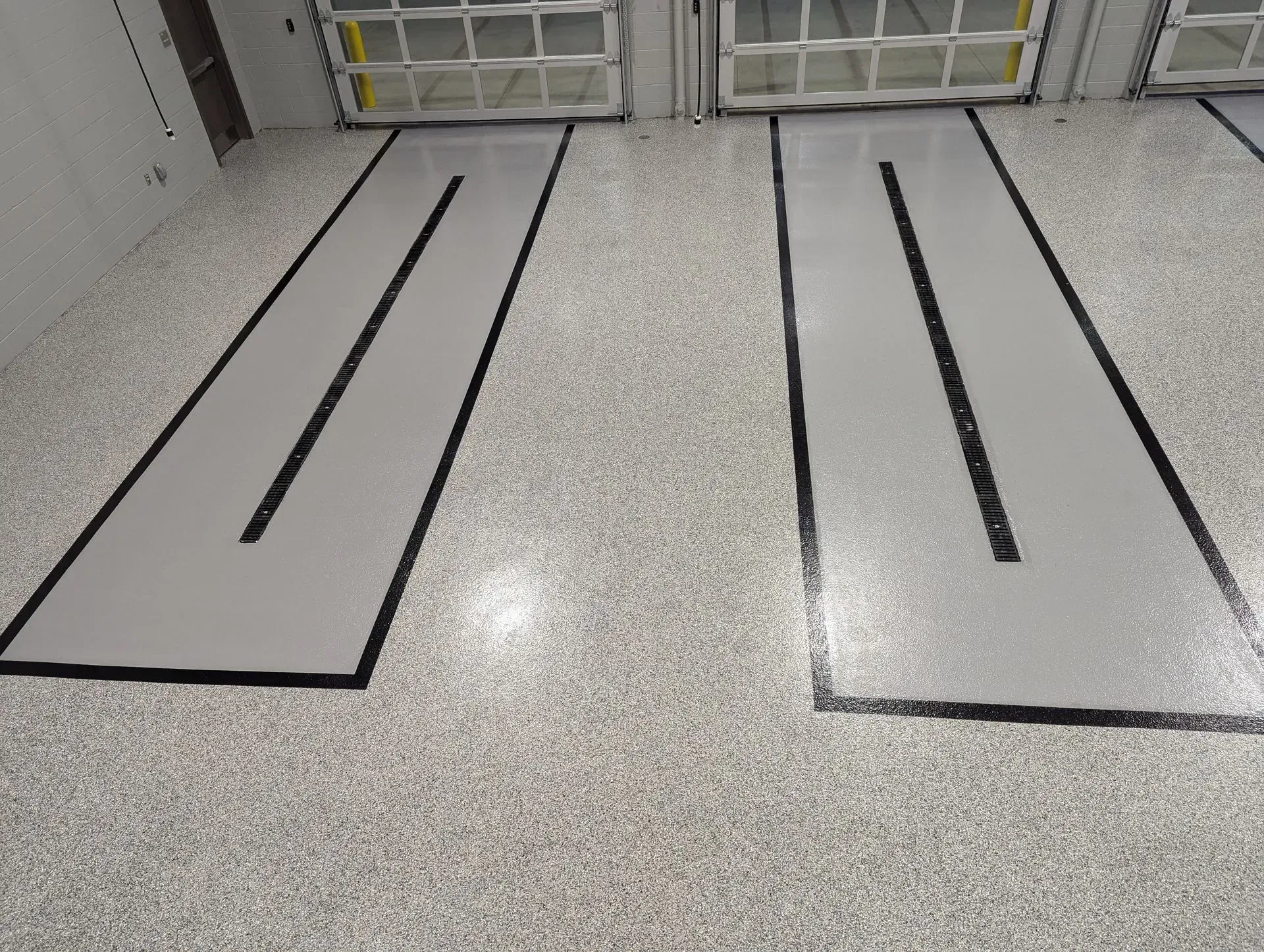
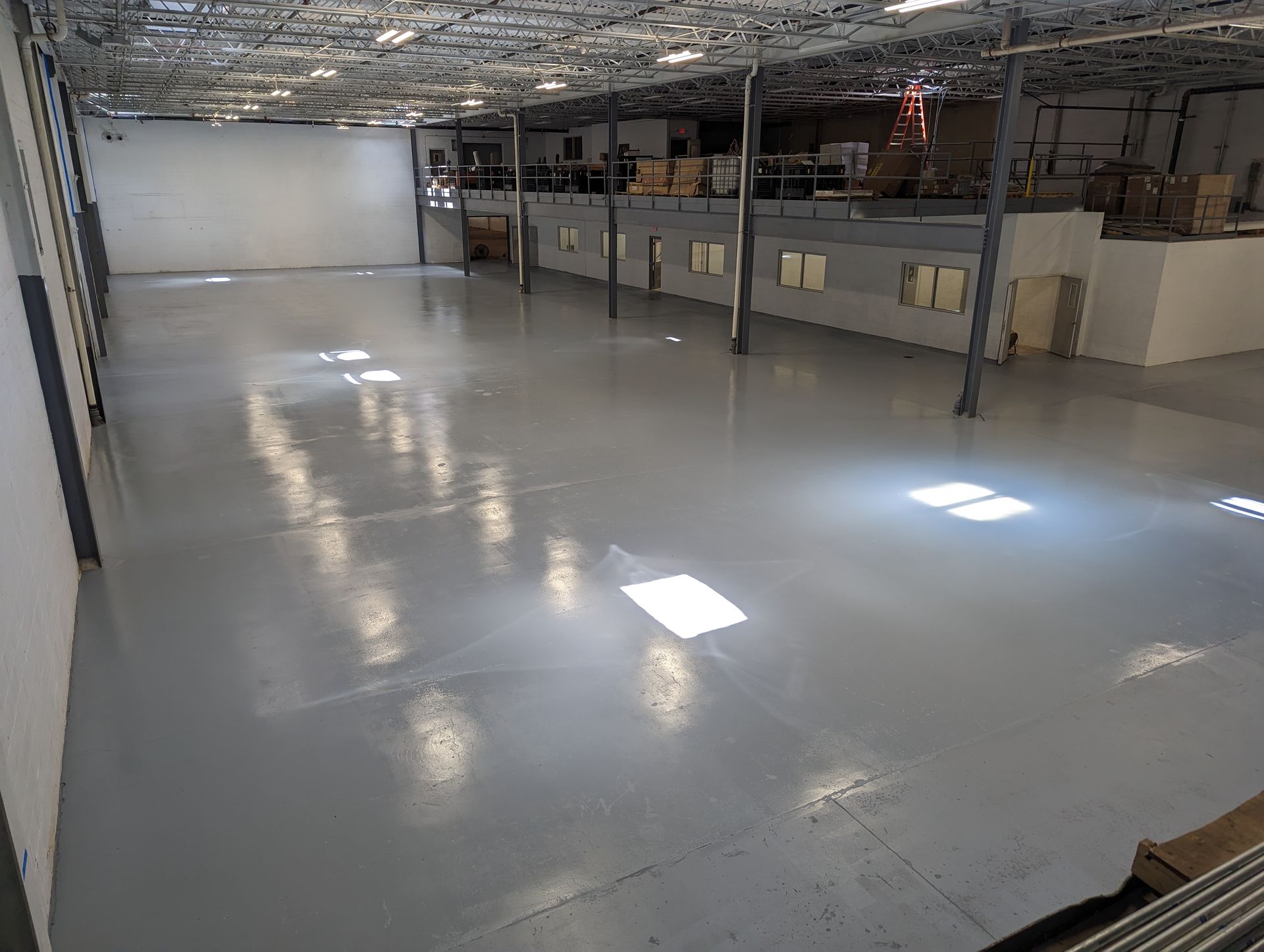
Warehouse & Industrial Floor Coatings in Spartanburg, SC 
July 29, 2026
Most homeowners who call us about a worn patio or a cracked driveway assume the only fix is tearing it out and starting over. That's rarely true. If the slab underneath is structurally sound, a concrete overlay can give you a completely new surface — new color, new texture, sometimes a completely different look — without the cost, mess, or timeline of a full tear-out. We get these calls across Spartanburg, Boiling Springs, and Greer from people who've been quoted for full replacement and want to know if there's a better option. This guide walks through what overlays actually are, which type fits which project, and what to check before you commit. What Is a Concrete Overlay? A concrete overlay is a cement-based coating applied directly over your existing slab. Once it's properly bonded, it becomes the new wearing surface — the original concrete underneath simply provides structure. This only works when the existing slab is stable; overlays don't fix a structurally failing foundation, they refinish a sound one. The Main Types of Overlays We Install Stamped Overlays A stamped overlay is textured with mats before it cures, creating the look of natural flagstone, slate, or cut stone. This is the most common request we get for Spartanburg patios and porches — it gives you the visual weight of real stone at a fraction of the material and labor cost. Flagstone-Style Overlays A variation on stamped work, flagstone overlays use irregular, organic joint lines instead of a repeating pattern. It reads as more natural and less "stamped-looking" than a uniform grid pattern, which is why it's a popular choice for rear porches and backyard patios. Micro-Topping Micro-topping is a thin, trowel-applied overlay — usually 1/8 inch or less — used when the goal is a smooth, modern finish rather than a textured one. It's a common choice for interior floors and driveways where homeowners want a clean, contemporary look instead of a stone pattern, and it pairs well with our concrete staining work when a tinted, uniform color is the goal. Where Overlays Make Sense on a Spartanburg Home Patios and porches — the most requested application, especially flagstone and stamped styles Driveways — refreshes a faded or stained slab without a full replacement Pool decks — textured overlays add slip resistance along with the new look Walkways and entries — smaller areas where a full replacement wouldn't be cost-effective anyway What to Check Before You Hire Someone for an Overlay Will the contractor grind or shot-blast the existing slab, or just clean it? Bonding depends on proper surface prep. Is there a plan for existing cracks? Cracks in the base slab can telegraph through an overlay if they aren't addressed first. What's the overlay thickness, and does it match the application — thin for micro-topping, thicker for stamped textures? What sealer is used, and how often does it need to be reapplied? Is there a written warranty on adhesion, not just on color fade? Signs an Overlay Won't Work Not every slab is a good overlay candidate. If your existing concrete has active structural movement, severe spalling, or foundation-level settling, an overlay will crack along with it. In those cases, we tell homeowners honestly that overlay isn't the right call — a straightforward concrete resurfacing approach, or in some cases direct concrete repair of the underlying slab, comes first. How Blastek Approaches Overlay Projects We evaluate the existing slab before we ever talk finish options — Spartanburg, Boiling Springs, Greer, and the surrounding Upstate. If the concrete is sound, we walk you through which overlay style fits the space and your budget. If it isn't, we say so before you spend money on a finish that won't hold up. Get a Free Estimate for Your Overlay Project Give Toby a call at (864) 266-8841 or reach out through our contact page . We'll look at your existing slab and tell you honestly which option makes sense.