How to Choose the Right Garage Floor Finish for Your Home

April 3, 2026

Why Garage Usage Matters When Choosing a Floor Finish

Your garage may seem like one simple part of the home, but it can serve many different purposes. Some homeowners use it for parking, others use it for storage, and some turn it into a workshop or a polished space that feels almost like another room. That is why the finish matters so much. The right choice depends on how the space is used every day.


Before making a decision, think about traffic, spills, tools, and moisture. A floor should not only look good. It should also match your routine, support your needs, and help your garage feel more useful, comfortable, and long-lasting.


Concrete Coatings for Garages Used Mostly for Storage

If your garage is mainly used for storage, concrete coatings can be a smart and practical choice. Many homeowners keep holiday bins, yard tools, sports gear, and extra household items in this space. A coating can help the floor look cleaner, feel more finished, and hold up better under everyday use. It can also make the garage easier to sweep and maintain.


Storage garages may not deal with heavy work, but they still see plenty of movement and mess over time. Concrete coatings help protect the surface while giving the room a more organized appearance. That simple improvement can make the whole garage feel more pleasant.
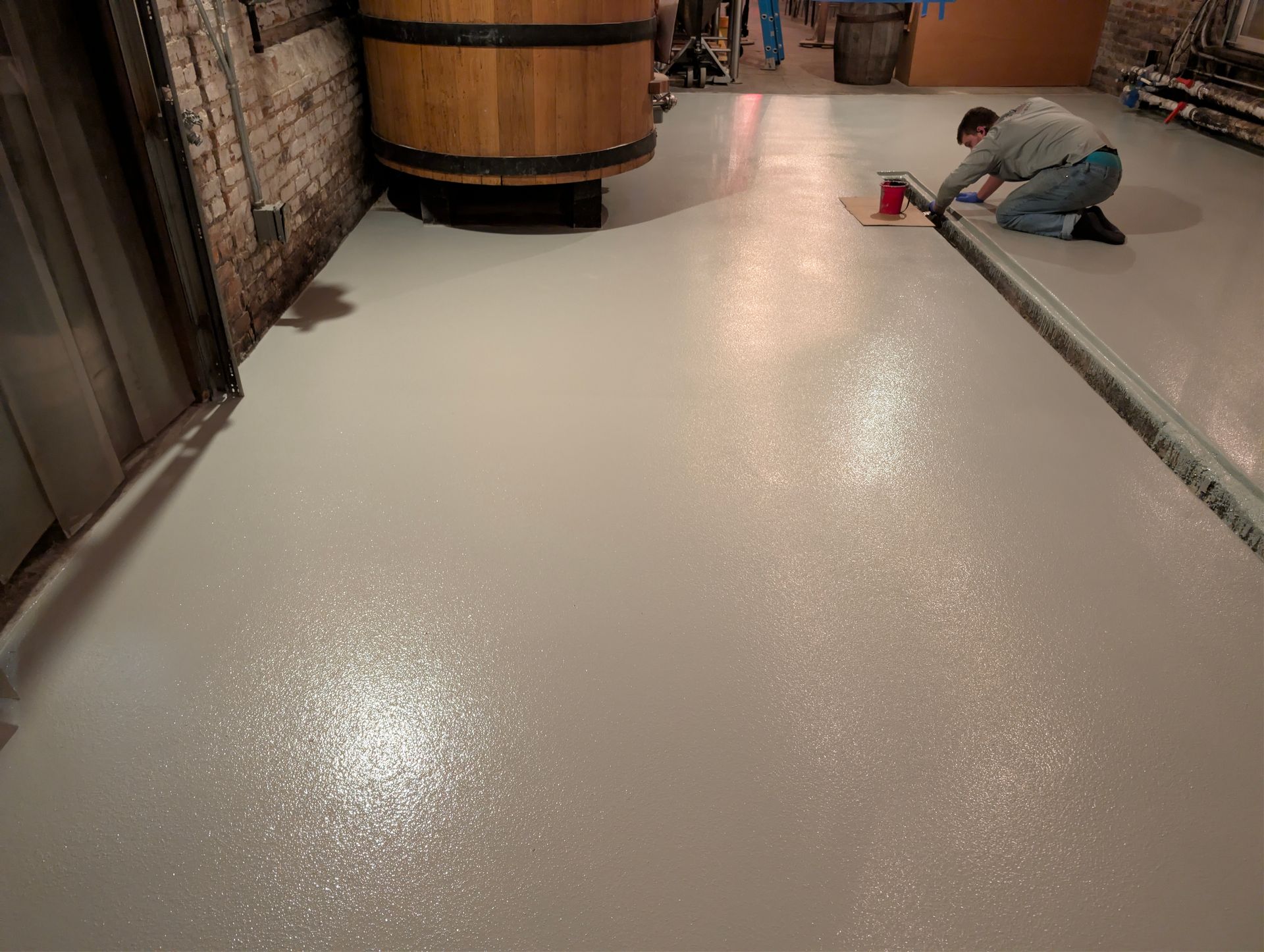
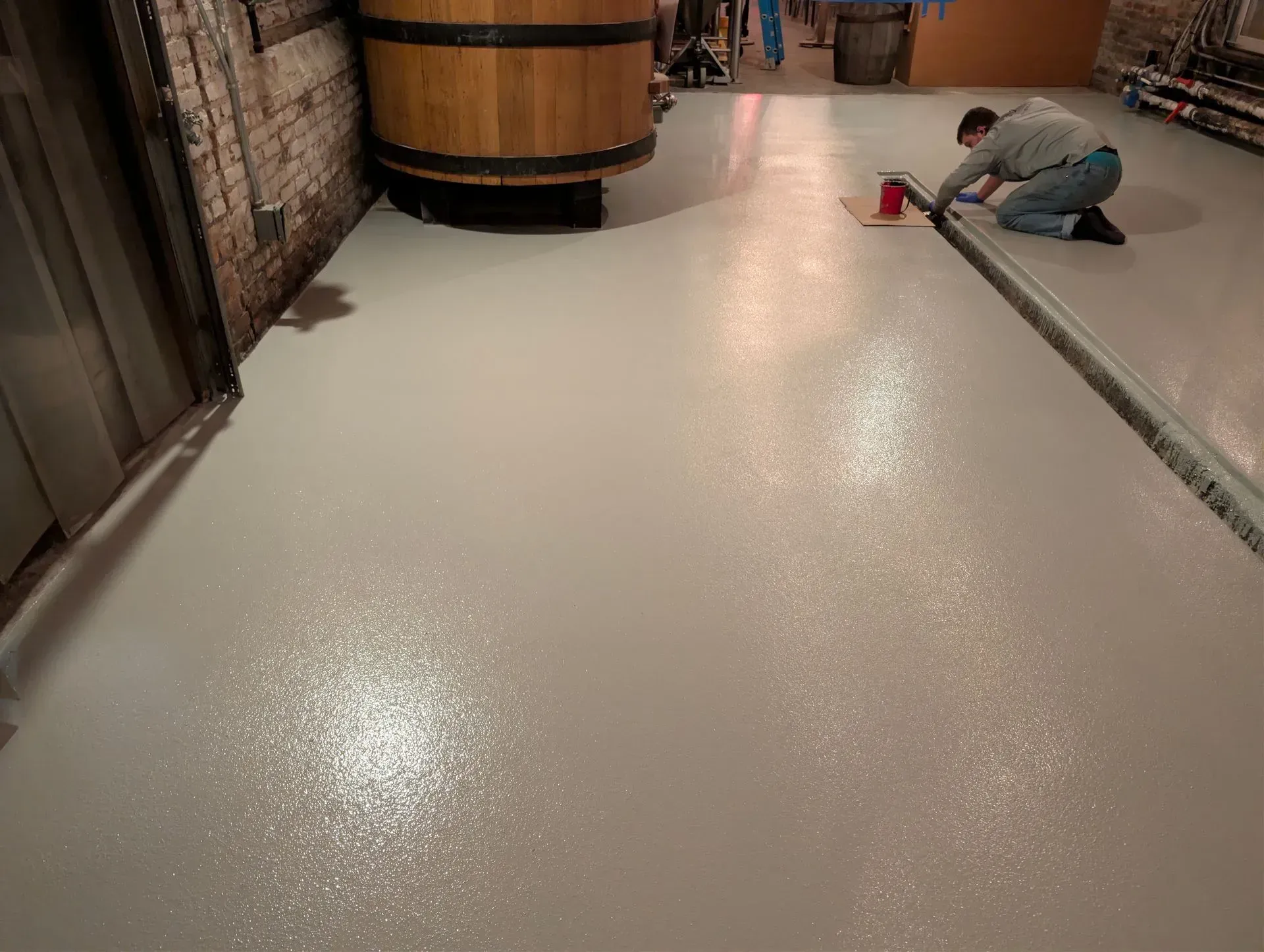
A person kneeling on a floor, applying a smooth, light-gray epoxy coating in an industrial space with brick walls.

When Concrete Polishing Makes Sense for a Clean, Finished Look

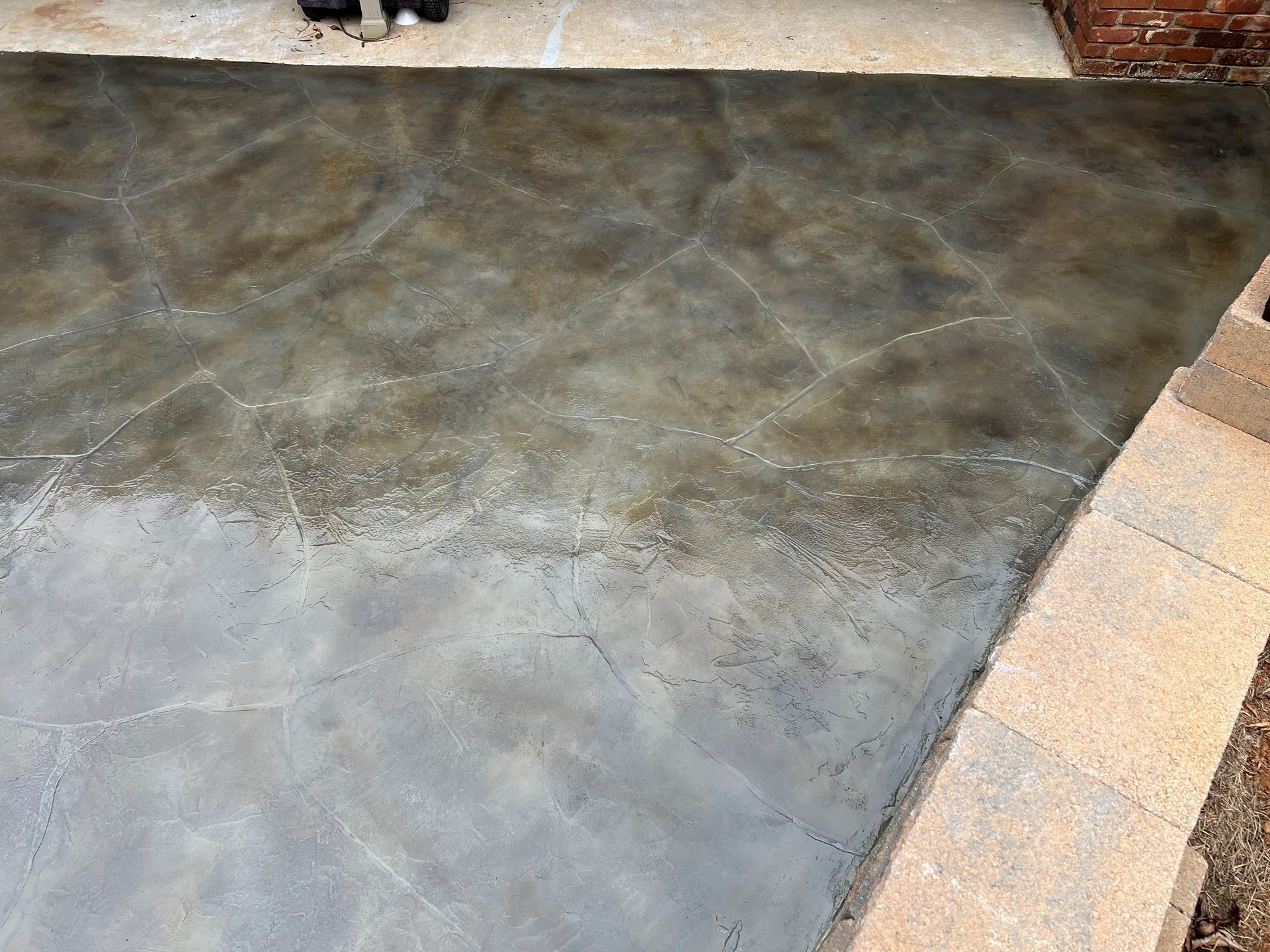
Concrete polishing is a great option for homeowners who want their garage to feel clean, bright, and refined. Instead of looking dull or dusty, the floor can take on a smoother, more finished appearance that helps the whole room feel more intentional. This can be especially appealing if the garage is kept neat and used as more than just a place to park.


A polished floor often works well in garages where appearance matters just as much as function. It can help the space feel modern, open, and well cared for. For homeowners who enjoy a sleek look, concrete polishing can create a very inviting result.


Concrete Sealing as a Simple Option for Everyday Garage Protection

Concrete sealing is often a good choice for homeowners who want practical protection without changing the natural look of the floor too much. It helps guard the surface from moisture, stains, and general wear while keeping things simple. That can make it appealing for garages used for parking, light storage, or everyday household needs.


Sometimes simple is exactly what a space needs. Concrete sealing gives the floor an added layer of defense while helping it stay easier to clean and maintain. For many families, that balance makes a lot of sense. It offers useful protection, supports daily life, and helps the garage stay in better shape longer.


Best Garage Floor Finishes for Workshop and Hobby Spaces

A garage used as a workshop or hobby space needs a finish that can keep up with more activity. Projects often bring tools, movement, spills, and dirt, so the floor has to do more than simply look nice. It should help support the work being done while making cleanup easier and helping the space feel dependable.


That is why many homeowners choose a finish with durability in mind. A stronger surface can make a big difference in how enjoyable the garage feels during weekend projects or daily hobbies. When the floor is easier to maintain and better suited for active use, the whole room becomes more comfortable, practical, and easier to enjoy.


How Concrete Coatings Hold Up Against Heavy Garage Traffic

Some garages stay quiet, but others see nonstop activity. Cars come in and out, people walk through all day, tools get rolled across the floor, and equipment gets moved around often. In busy spaces like these, concrete coatings can be a strong option because they help the surface handle more wear while still looking sharp and clean.


Heavy traffic puts stress on any garage floor over time. A finish that adds protection can help reduce that strain and keep the space looking better longer. Concrete coatings are often chosen by homeowners who want both function and appearance. That makes them a smart fit for garages that work hard every day.


Comparing Concrete Polishing and Concrete Sealing for Homeowners

When choosing between concrete polishing and concrete sealing, it helps to think about what matters most to you. If you want a garage that feels brighter, smoother, and more refined, polishing may be the better fit. If you want a simpler way to protect the floor while keeping a more natural look, sealing may make more sense.


Both options can improve the space, but they do it in different ways. Polishing often focuses more on appearance, while sealing leans toward practical surface protection. Neither choice is wrong. The best option depends on how you use the garage, how you want it to look, and what kind of upkeep feels right.


Choosing Between Concrete Coatings, Concrete Polishing, and Concrete Sealing

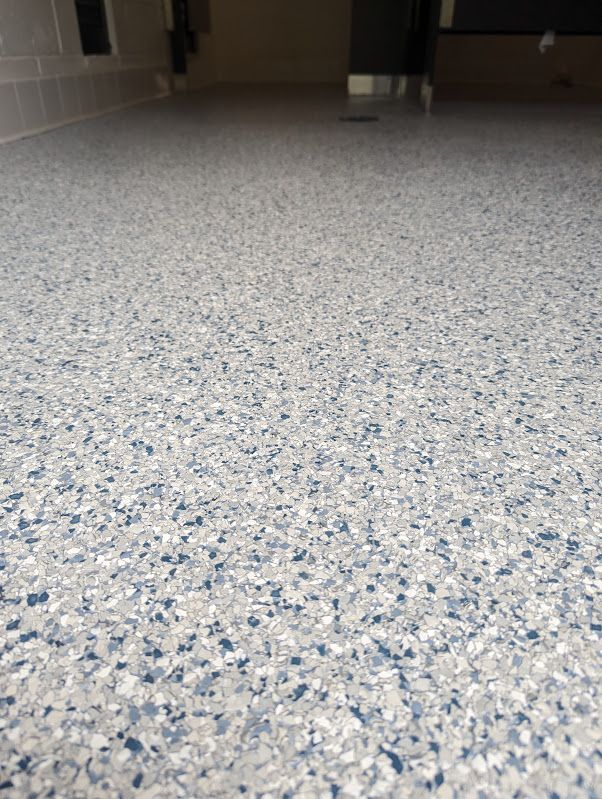
Choosing between concrete coatings, concrete polishing, and concrete sealing becomes easier when you think about how your garage really functions. Coatings can offer a more finished look with stronger protection. Polishing can create a sleek, clean surface that feels more decorative. Sealing can provide straightforward protection for garages used in simple, everyday ways.


The right finish is not about picking the most popular option. It is about choosing the one that supports your lifestyle. A showroom garage may need something different from a storage garage or a workshop. Once you match the finish to the purpose of the room, the right direction usually becomes much clearer.


Garage Floor Finish Ideas for Showroom-Style Spaces

Some homeowners want a garage that feels impressive the moment the door opens. Maybe it holds a special vehicle, maybe it is kept spotless, or maybe the goal is simply to create a space that feels sharp and elevated. In these garages, the floor becomes a major part of the overall look and feel.


A showroom-style garage often benefits from a finish that looks smooth, clean, and intentional. Homeowners usually want something that helps the space stand out and feel more complete. Whether that comes from a refined polished surface or a decorative coating system, the goal is the same. The floor should help the garage feel beautiful, polished, and proudly maintained.


How to Pick the Right Garage Finish for Long-Term Performance

The best garage finish is one that still feels like the right choice years from now. That is why long-term performance matters so much. You want a surface that supports your daily routine, holds up well over time, and helps the garage stay easier to clean and enjoy. A good finish should work for your life, not against it.


If you are ready to improve your garage, reach out to Blastek Concrete Designs, we help homeowners in Spartanburg, SC and call at (864) 266-8841. Our company can help you explore concrete coatings, concrete polishing, and concrete sealing based on your goals.
November 18, 2026
A garage is one of the first spaces a buyer walks through, and it's usually also one of the least finished. A cracked, stained, or bare concrete floor reads as unfinished; a clean, coated floor reads as a space that's been taken care of. That difference is part of why an epoxy garage floor comes up so often as a small upgrade with an outsized effect on how a home shows. What Buyers Actually Notice in a Garage Most buyers aren't evaluating a garage floor the way a contractor would — they're not checking for proper slope or reading the finish schedule. What registers is simpler: does this space look maintained, or does it look neglected? Oil stains, pitting, dust, and old cracked concrete all signal deferred maintenance, even if the rest of the house is in great shape. A coated floor removes that signal entirely. Why Epoxy Specifically Plain concrete can be cleaned or resealed, but it still looks like a garage floor. Epoxy coatings change that entirely — a solid-color, flake, or metallic finish gives the space a done look that plain concrete can't match, without the cost of a full flooring material change. It's also one of the few garage upgrades that shows up immediately in a walkthrough, rather than something a buyer has to take on faith. Durability Buyers Can Actually Rely On Part of what makes epoxy a credible upgrade — not just a cosmetic one — is that it holds up. With proper installation, epoxy flooring can last 15+ years in a residential garage with minimal maintenance, which means a buyer isn't inheriting a floor that needs to be redone again soon. That durability is also why it's worth having the surface properly prepped rather than coated over dirt, oil, or an unsealed slab — a coating that fails early undercuts the exact upgrade it was meant to be. Cost Versus What It Adds An epoxy garage floor generally runs $3.00–$5.50 per sq. ft. for a solid-color finish, $6.00–$10.00 for metallic, and $7.00–$12.00 for polyaspartic coatings — the same ranges we broke down in our epoxy garage floor cost guide . For a typical 2-car garage, that puts the project well below most other pre-sale upgrades that touch the same amount of square footage, while addressing one of the more visible rooms in a walkthrough.  Getting Your Garage Floor Coated Blastek Concrete Designs installs garage floor epoxy coating for homes across Spartanburg and the Upstate — whether you're finishing a garage for your own use or getting it ready to show. Call Toby at (864) 266-8841 or reach out through our contact page for a free, on-site quote.
November 11, 2026
Staining and polishing both turn a dull gray slab into something worth showing off, but they achieve that in fundamentally different ways — one adds color, the other refines texture and shine. Understanding which effect you actually want makes the decision a lot easier. What Staining Does Concrete staining applies colorants or dyes that penetrate the surface, producing a rich, translucent finish that highlights the natural variation and texture already in the concrete. Because the color reacts somewhat differently across the slab's natural texture, no two stained floors look perfectly uniform — which is part of the appeal for homeowners wanting a mottled, organic look rather than a flat, single-tone color. This is a core part of our stain and polish service. What Polishing Does Polishing is a mechanical process — grinding the concrete surface with progressively finer abrasives until it reaches a smooth, glossy, reflective sheen. There's no added color unless it's combined with a stain or dye beforehand; polishing on its own enhances the concrete's natural tone and brings out a level of shine that ranges from satin to a near-mirror finish depending on how far the grinding progresses. Which One Fits Your Space If you want color — a warm terracotta tone in a living room, a deep charcoal for a modern basement, or a custom color that matches your home's palette — staining is the path. If you want a sleek, reflective, low-maintenance surface that highlights the concrete itself rather than adding color, polishing is the better fit. Many Spartanburg homeowners combine both: a stain for color, followed by polishing to bring out shine and durability on top of it. Maintenance Differences Polished floors are generally the easier of the two to maintain long-term — the dense, ground surface resists staining and requires minimal upkeep beyond routine cleaning. Stained floors need a quality sealer to protect the color from fading and staining over time, and that sealer benefits from periodic reapplication, especially in high-traffic areas.  Get a Recommendation for Your Home Not sure which fits your space? Blastek Concrete Designs handles both staining and polishing for homes and businesses across Spartanburg and the Upstate. Call Toby at (864) 266-8841 or reach out through our contact page for a free consultation.
Basement Floor Crack Repair in Spartanburg, SC | Blastek
November 10, 2026
Cracks in your basement floor? Which ones are cosmetic, which need attention, and how they're repaired before polishing, sealing or epoxy in Spartanburg.
November 4, 2026
It's one of the first questions we get after every grind and seal project: how long is this actually going to last? In the Upstate, the honest answer depends heavily on where the concrete is — indoors or outdoors — and how much sun, moisture, and temperature swing it's exposed to over the year. Indoor Floors: The Best-Case Scenario A grind and seal finish on an interior floor — a basement, garage, or covered living space — is shielded from direct UV exposure and the freeze-thaw cycling that outdoor surfaces face. With routine cleaning and periodic sealant refresh, indoor grind and seal finishes commonly hold their look and protection for many years before needing significant attention. Outdoor Surfaces: Why They Wear Faster Patios, walkways, and pool decks face a tougher environment. South Carolina's intense summer UV exposure gradually breaks down sealant over time, and the state's freeze-thaw cycles in winter — moisture penetrating the surface, freezing, and expanding — put ongoing stress on any coating. Outdoor grind and seal finishes typically need sealant reapplication more frequently than indoor floors to keep up with this exposure. What Actually Determines Lifespan Beyond indoor versus outdoor exposure, three factors matter most: the quality of the sealant used, how well the surface was prepped before sealing, and how much traffic and weight the surface handles regularly. A properly ground and prepped surface holds a sealant coat significantly longer than one where prep was rushed, since the sealant needs a clean, properly profiled surface to bond to. Signs It's Time to Reseal A grind and seal finish that's starting to look dull rather than glossy, showing water absorbing into the surface instead of beading, or showing light traffic wear patterns are all signs the sealant layer has worn thin. Catching this before the underlying concrete starts staining again is a much smaller job than waiting until the surface looks visibly worn. Get a Maintenance Assessment Not sure if your grind and seal floor or patio needs attention? Blastek Concrete Designs offers free assessments across Spartanburg, Boiling Springs, and the Upstate. Call Toby at (864) 266-8841 or reach out through our contact page .
October 28, 2026
A dull, stained, or worn concrete floor is one of the most common calls we get in Spartanburg, and one of the most common assumptions homeowners make is that the only fix is ripping it out and starting over. In most cases, that's not true. Grind and seal is a process built specifically to take existing concrete and bring it back to a smooth, protected, better-looking surface without a full replacement. What the Process Actually Involves Our grind and seal process starts with specialized diamond grinding equipment that removes surface imperfections — stains, blemishes, unevenness, old failed coatings — down to a smooth, uniform surface. Depending on the depth of the grind, this can also expose the natural aggregate in the concrete for a more textured, decorative look. Once the surface is properly prepped, we apply a protective sealant that guards against future staining, moisture penetration, and everyday wear. Where This Works Best Grind and seal is a strong fit for patios, garage floors, basements, walkways, and interior floors that are structurally sound but cosmetically tired — surface staining, dullness, minor pitting, or an old coating that's starting to fail. It's not the right fix for a slab with structural cracking or active movement, since sealing over a moving slab just delays the same problem. Why It's More Affordable Than Replacement Because grind and seal works with the existing slab rather than removing and repouring, it costs a fraction of full replacement and takes a fraction of the time — typically finished in a day or two for most residential projects, compared to the demolition, curing, and finishing timeline a new pour requires. How Long It Lasts With proper sealant maintenance — reapplying every few years depending on traffic and exposure — a grind and seal finish can look good for many years. Indoor floors with lighter traffic tend to hold their finish longer than exterior patios exposed to South Carolina's sun, rain, and freeze-thaw cycles.  Get a Free Assessment If your concrete is looking dull, stained, or worn but you're not sure it needs full replacement, Blastek Concrete Designs offers free assessments across Spartanburg, Boiling Springs, and the Upstate. Call Toby at (864) 266-8841 or reach out through our contact page .
October 23, 2026
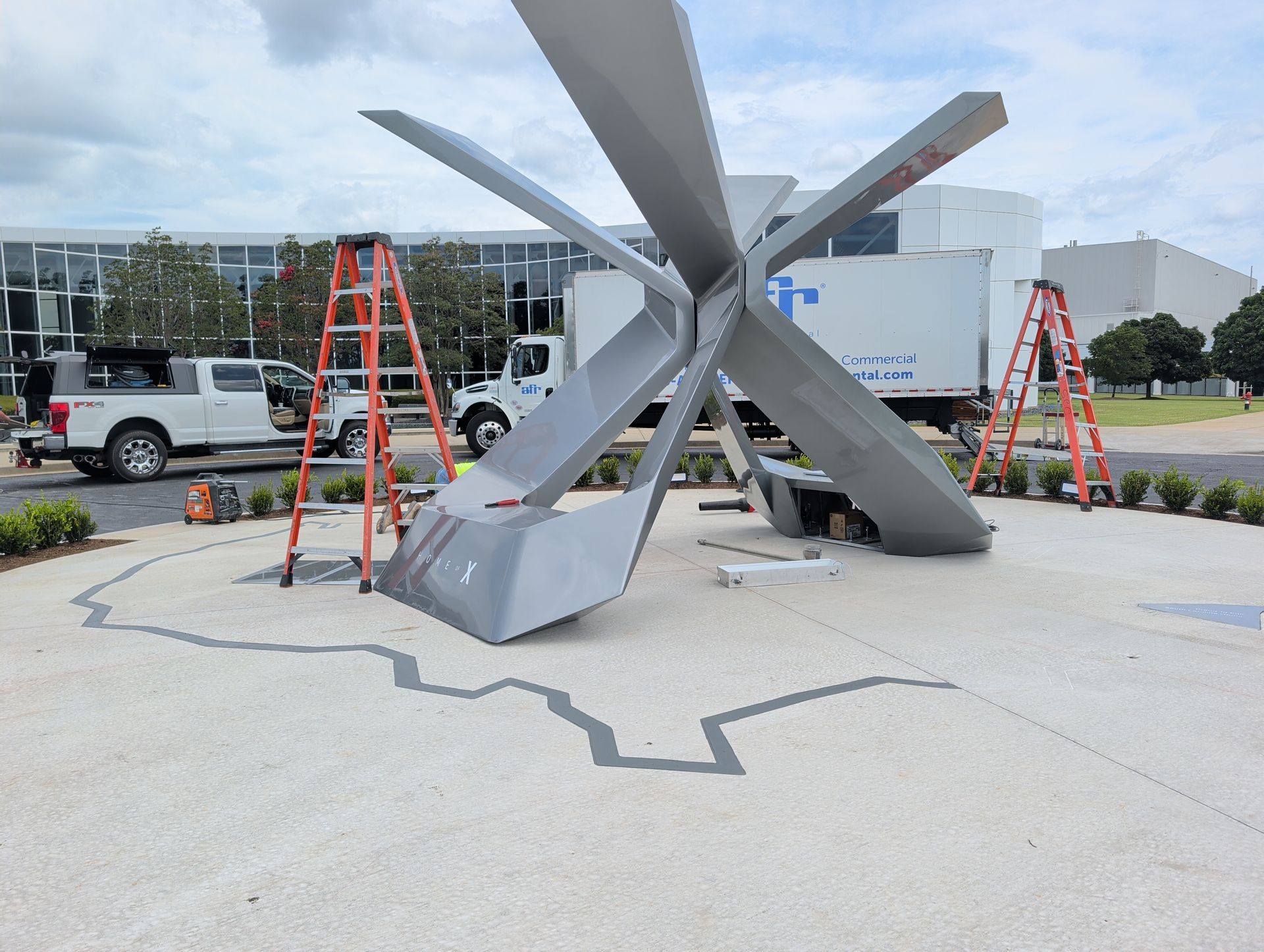
A plain concrete slab can do more than hold up a building entrance. With the right engraving, it can become a feature that people stop and look at. That's exactly what we set out to do in Greer, SC, where we engraved a large United States outline for the launch of the new BMW X5. Here's a look at the project, how the engraving was done, and what business owners across the Upstate should know before adding a custom design to their own concrete. The Project: An 18 ft x 22 ft U.S. Outline For this commercial project in Greer, Blastek Concrete Designs created a custom concrete engraving of the United States outline. The finished design measures 18 feet by 22 feet, making it a large, eye-catching feature that works as a centerpiece for the space around it. How We Engraved It We cut a double outline around the shape of the country, then stained the center in a charcoal color. The double outline gives the design a crisp, defined edge, and the charcoal stain adds strong contrast against the lighter concrete around it. Together, the engraved lines and the concrete staining make the map read clearly from a distance and up close. Why Engraving Works for Commercial Spaces Engraving is a good fit when a business wants something more custom than a standard floor or slab. Because the design is cut into the concrete itself, it becomes part of the surface instead of something sitting on top of it. Businesses often use engraving for logos, maps, and custom artwork at entrances, plazas, lobbies, and event areas, anywhere a space needs to make a statement. What the Engraving Process Looks Like Every engraving project starts with a surface assessment, where we inspect the concrete for cracks, coatings, and texture. Next comes surface preparation, followed by the custom engraving itself. Finally, the surface is sealed to protect the finished design. Planning each step carefully is what keeps lines clean and the final result sharp. Planning Your Own Engraved Design Not sure whether engraving or scoring is the right fit? Read our guide to concrete scoring vs. engraving to see how each technique works and which one suits your space.  Get a Free Quote for Commercial Concrete Engraving Blastek Concrete Designs provides concrete engraving and staining across Greer, Spartanburg, Greenville, and the Upstate. Whether you want a logo, a map, or a custom design for your business, call Toby at (864) 266-8841 or request a free quote to get started.
October 21, 2026
A cracked patio or garage floor is one of the most common reasons Spartanburg homeowners call us — and the assumption is almost always that the fix requires a full overlay or replacement. Sometimes it does. But when the cracking is stable and mostly cosmetic, scoring offers a creative alternative that turns the flaw into part of the design instead of covering it up entirely. Why This Works Concrete scoring cuts intentional lines into a slab to create a pattern — grids, borders, or geometric shapes. When an existing crack runs roughly parallel to where a natural design line would go anyway, incorporating that crack into the scoring pattern makes it read as an intentional part of the design rather than a flaw the eye is drawn to. The crack doesn't disappear, but it stops being the first thing anyone notices. When This Approach Makes Sense This works best on stable, hairline-to-moderate cracking that isn't actively widening or showing signs of ongoing structural movement. If a crack lines up reasonably well with a grid or border pattern, or if the slab has multiple cracks that can be woven into a broader scored design, this is often a faster and more affordable path than a full overlay. When It's Not Enough on Its Own Active cracks, cracks with vertical displacement between the two sides, or extensive spider cracking across the whole slab usually need more than scoring — a repair, and often an overlay, first. We assess the crack pattern before recommending this approach, since scoring over an active crack won't stop that crack from continuing to widen. Pairing Scoring With Stain or Sealer Scoring is often combined with a stain or grind and seal finish to complete the look — the scored lines create the pattern, and the color or sealer ties the whole surface together so the disguised crack blends fully into the finished design rather than standing out as a repair.  Get Your Cracked Concrete Assessed If your patio, walkway, or floor has cracking you'd rather disguise than replace, Blastek Concrete Designs can tell you honestly whether scoring is the right fit. Call Toby at (864) 266-8841 or reach out through our contact page for a free assessment across Spartanburg and the Upstate.
October 14, 2026
Scoring and engraving both cut into concrete to create a decorative pattern, and it's easy to see why homeowners in Spartanburg and the Upstate use the terms interchangeably. But the tools, the depth, and the kind of design each technique produces are genuinely different — and picking the wrong one for your project can mean a result that doesn't match what you pictured. What Scoring Actually Is Scoring uses a saw or grinder to cut shallow, straight lines into the concrete surface, typically to mimic the look of pavers, tile, or large-format stone. It's fast, relatively affordable, and works well for creating clean geometric patterns — grids, borders, or a running-bond layout — across a patio, walkway, or interior floor. What Engraving Actually Is Engraving goes further, using specialized tools to carve more intricate designs, motifs, or even custom logos directly into the surface. This is where our concrete engraving service comes in — it's a different level of detail than scoring, capable of texture, curved lines, and imagery that a straight-line saw cut simply can't produce. Which One Fits Your Project If you want the look of a tiled or paved surface without the cost or maintenance of actual pavers, scoring is usually the right call — it's quicker to install and reads well from a distance. If you want a genuinely custom design element — a business logo at an entrance, a decorative medallion, or an intricate pattern that becomes a visual feature — engraving is worth the additional time and investment. Combining Both on One Project Many of our Spartanburg projects actually use both: scoring to lay out the overall geometry of a patio or floor, with engraving reserved for a focal point, like a centerpiece design or an entryway detail. This gives a project visual structure without every square foot needing the same level of intricate detail.  Get a Design Consultation Not sure which technique fits your space? Blastek Concrete Designs handles both scoring and engraving across Spartanburg, the Upstate, and the surrounding region. Call Toby at (864) 266-8841 or reach out through our contact page for a free consultation.
October 8, 2026
When an epoxy floor peels, bubbles, or fails within the first year, the epoxy product usually gets the blame. In our experience assessing failed floors across Spartanburg, the epoxy itself is rarely the problem — inadequate surface prep is. Getting this step right is what actually determines whether a coating lasts a decade or fails within months. Why Prep Matters More Than the Coating Itself Epoxy needs to mechanically bond to open concrete pores to hold. Coating over a sealed, dirty, or contaminated surface gives the epoxy nothing solid to grip, and it's only a matter of time before it lifts. This is true whether the epoxy product is a premium professional-grade system or a budget kit — no coating overcomes bad prep. Step 1: Diamond Grinding The first and most important step is mechanically grinding the surface with diamond tooling to remove old sealers, coatings, contamination, and to open the concrete's natural pores. This is the same grind and seal process we use for standalone floor restoration, applied here as a preparation step rather than a final finish. Step 2: Crack and Joint Repair Any cracks or damaged joints need to be filled and leveled before coating goes down. Coating over an unrepaired crack means the epoxy fails at exactly that point, since the movement or gap underneath hasn't been addressed. Step 3: Moisture Testing Concrete is porous, and moisture rising from below the slab is one of the leading causes of bubbling and delamination under epoxy. Testing moisture levels before coating — especially on basement and below-grade slabs — determines whether a moisture-mitigating primer is needed before the epoxy goes on. Step 4: Cleaning and Degreasing Oil stains, dust, and residue left on the surface after grinding prevent proper adhesion in those spots, creating localized failure points even on an otherwise well-prepped floor. A thorough clean and degrease immediately before coating is a simple step that's easy to rush and costly to skip. What This Looks Like Done Right On a recent garage floor project in Boiling Springs , proper grinding and prep work is what allowed the finished epoxy to resist stains, moisture, and daily wear from the start — not just the coating layer applied on top.  Get Your Floor Prepped and Coated Right Blastek Concrete Designs handles the full process — prep through final epoxy and coatings — for homes and businesses across Spartanburg and the Upstate. Call Toby at (864) 266-8841 or reach out through our contact page for a free estimate.
October 7, 2026
Epoxy garage floor pricing depends mainly on two things: how much square footage is being coated, and which finish you choose. Here's what that actually looks like in dollar terms for a typical Upstate SC garage, based on our current garage floor epoxy coating pricing. Typical Cost by Garage Size 1-Car (250 sq. ft.): $1,200 – $2,000 2-Car (500 sq. ft.): $2,400 – $4,500 3-Car (750 sq. ft.): $3,600 – $6,500  What's Included in That Price A garage floor epoxy price covers the full process, not just the coating itself — surface grinding and prep, crack repair where needed, the epoxy application, and a topcoat sealer. Skipping or shortcutting prep is the most common reason an epoxy floor fails early, so it's built into the base price rather than treated as an optional add-on. What Pushes the Price Up Custom flakes, metallic finishes, and premium sealers add cost but extend durability. A solid-color epoxy floor sits at the lower end of the range; adding a decorative flake broadcast, a metallic finish, or a higher-grade polyaspartic topcoat moves the price up within — or sometimes above — the ranges listed here. Solid Color vs. Metallic vs. Polyaspartic Solid-color epoxy: $3.00–$5.50 per sq. ft. — the most straightforward, budget-friendly option. Metallic epoxy: $6.00–$10.00 per sq. ft. — a dimensional, marbled look with more visual depth. Polyaspartic coatings: $7.00–$12.00 per sq. ft. — faster cure time and added durability, often used where the garage needs to be back in use quickly. Getting an Accurate Quote These ranges are a starting point — an accurate number depends on your garage's exact square footage, current slab condition, and which finish you're leaning toward. Blastek Concrete Designs installs epoxy and coatings for homes and businesses across Spartanburg and the Upstate. Call Toby at (864) 266-8841 or reach out through our contact page for a free, on-site quote.