WHY PROPER CONCRETE REPAIR SAVES YOU MONEY OVER TIME

February 10, 2026

What Counts as Minor Concrete Damage in Residential and Commercial Properties

Concrete damage often starts small and quiet. A thin crack in the driveway, a slightly uneven sidewalk, or a rough patch on a garage floor may not seem serious at first. Many homeowners assume these are normal signs of aging and nothing to worry about. In reality, minor concrete issues are often the first clue that something deeper is happening beneath the surface.


These early problems often show up as hairline cracks, surface flaking or chipping, and slight sinking or settling. On their own they may look harmless, but concrete repair works best when these warning signs are addressed early.


Why Small Cracks Are Early Warning Signs, Not Cosmetic Issues

A crack in concrete is rarely just about looks. Concrete is strong, but once it cracks, it opens the door for trouble. Water, dirt, and debris can slip inside and slowly weaken the structure beneath the surface. Imagine a sweater with a loose thread. Pull it slightly, and the whole surface can start to unravel over time. 


Ignoring small cracks allows moisture, pressure, and movement to keep working against the concrete, turning simple concrete repair into a much larger and more expensive problem. Early attention protects durability, safety, appearance, and long term value for homeowners everywhere today.
How Delaying Concrete Repair Increases Long-Term Structural Costs

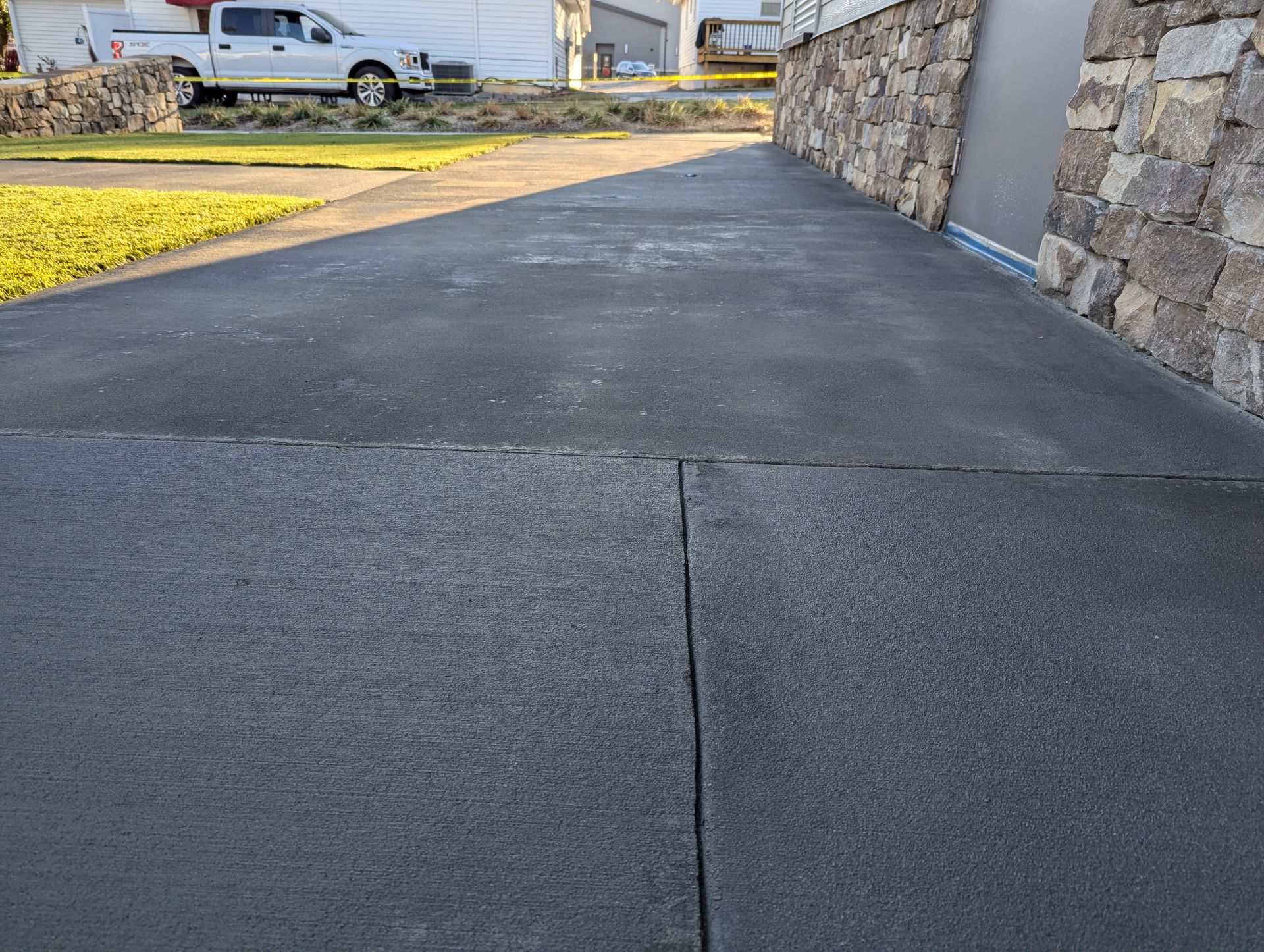
Putting off concrete repair may feel like saving money today, but it often leads to spending much more later. When damage is left untreated, the concrete continues to shift, weaken, and slowly break apart over time. Delays allow small issues to grow into larger cracks that require replacement, spread damage to nearby slabs or foundations, and create safety hazards that demand urgent repairs.


Addressing problems early keeps costs predictable, reduces stress, and makes concrete repair manageable instead of overwhelming. Early action protects property value, improves safety, and prevents disruptions that can interrupt daily routines and long term plans for homeowners.


The Hidden Water Damage Risks Behind Unrepaired Concrete Surfaces

Water is one of concrete's biggest enemies. Even the smallest crack can act like a sponge, soaking up rain and moisture. In colder months, that trapped water can freeze and expand, pushing cracks wider with each cycle. In warmer areas, moisture can soften the ground underneath, causing sinking or uneven surfaces.


Unrepaired concrete can also direct water toward your home instead of away from it. Over time, this increases the risk of foundation damage and drainage issues. Proper concrete repair blocks moisture from getting in, protecting suggested both the visible surface and the structure beneath it.


How Timely Concrete Repair Prevents Foundation and Load-Bearing Problems

Concrete surfaces often connect directly to important structural areas, including foundations, steps, and support zones. When damage spreads, it affects how weight moves across your property, creating uneven pressure where it does not belong. Timely concrete repair restores balance and strength before small issues grow. 


Fixing problems early reduces strain on load bearing sections, lowers the risk of foundation movement, and helps surfaces perform as designed. The result is a home that feels solid, stable, and safe for daily use, giving homeowners confidence that their concrete is supporting everyday life the right way for years to come for homeowners everywhere.


The Cost Difference Between Preventive Concrete Repair and Full Replacement

There is a big difference between fixing concrete and replacing it entirely. Preventive concrete repair focuses on strengthening and restoring what already exists, while replacement often requires demolition, removal, and rebuilding from the ground up. Preventive repairs usually cost less and finish faster, helping homeowners avoid long disruptions to driveways, walkways, and patios. 


Choosing repair over replacement protects budgets, preserves usable space, and maintains durability, all while extending the life of concrete surfaces without unnecessary mess, stress, or downtime for families who want reliable results and lasting value year after year with fewer surprises and better planning from the start.


How Professional Concrete Repair Extends the Life of Your Property

Concrete repair done the right way does more than solve today's problem. It adds years of life to concrete surfaces by reinforcing weak areas, smoothing damage, and improving strength. Professional repairs help concrete handle daily wear, changing weather, and constant weight without breaking down. When issues are corrected early and properly, surfaces stay reliable, functional, and easier to maintain over time.


Well maintained concrete improves curb appeal, safety, and property value. Smooth walkways feel safer underfoot, and level driveways reduce vehicle wear. Strong concrete supports daily life quietly, creating spaces that feel dependable, welcoming, and built to last for homeowners.


When to Address Concrete Repair Before Minor Issues Become Major Expenses

The best time to handle concrete repair is when damage first appears. Small cracks, chips, or uneven spots are clear signals that concrete needs attention, not reasons to wait. Early action keeps problems contained, limits spreading damage, and makes repair plans simple and predictable for homeowners.


If you notice changes, now is the right time to act. Contact Blastek Concrete Designs, proudly serving homeowners in Spartanburg with reliable concrete repair solutions that protect property value for the long term. Call at (864) 266-8841  to ask questions, schedule an evaluation, and move forward with confidence from trusted local professionals focused on quality results and clear communication every time.
November 25, 2026
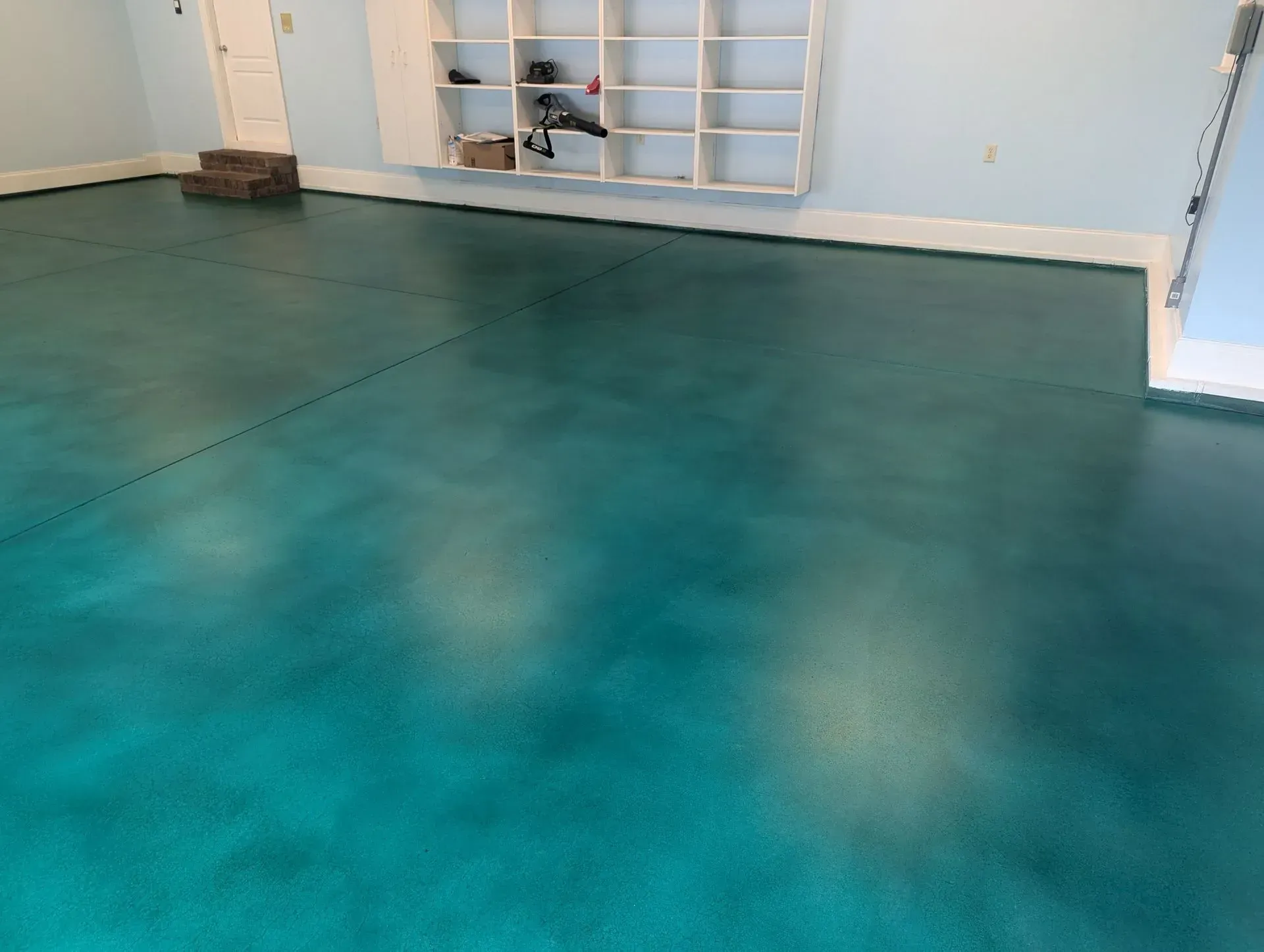
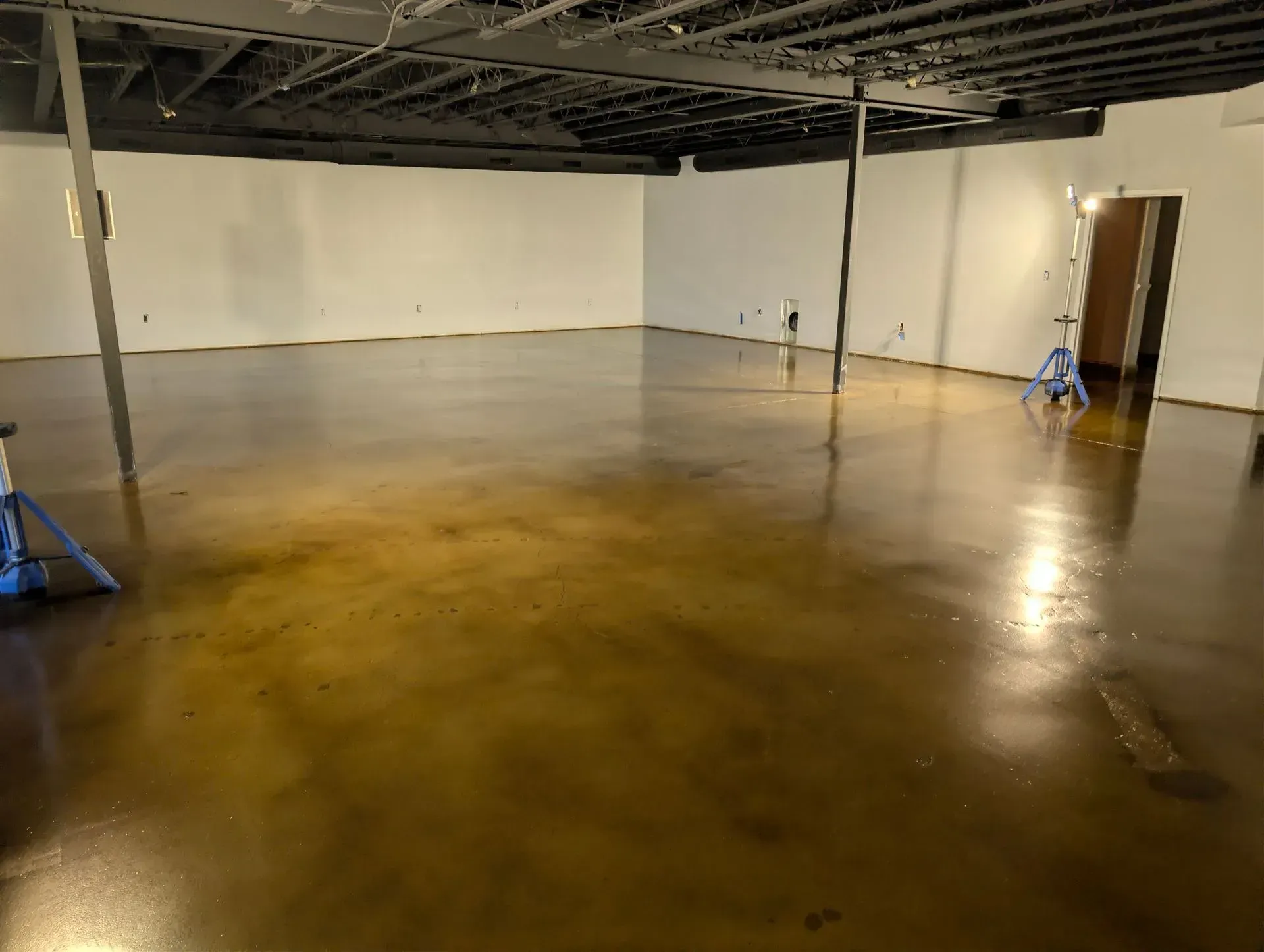
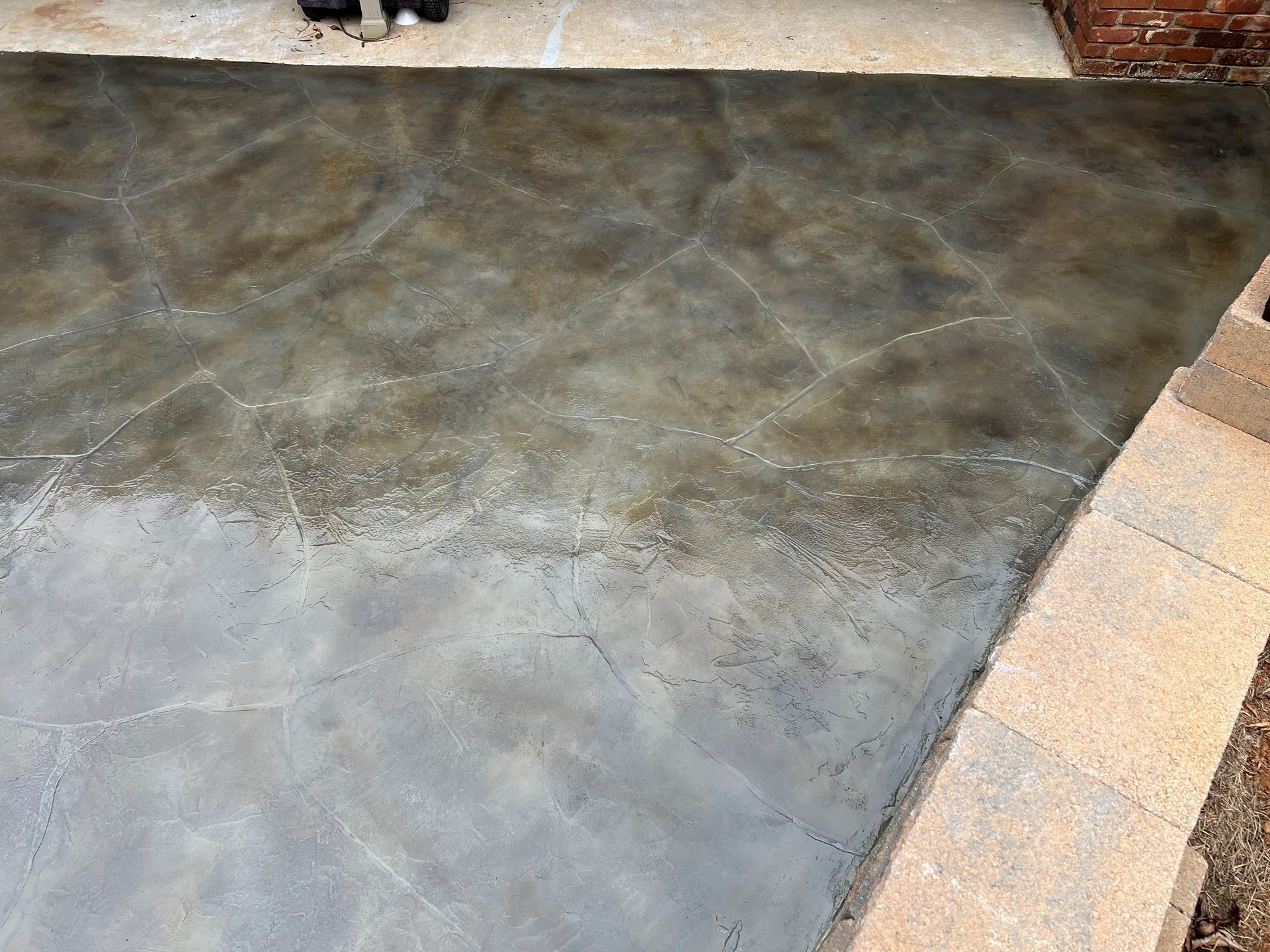
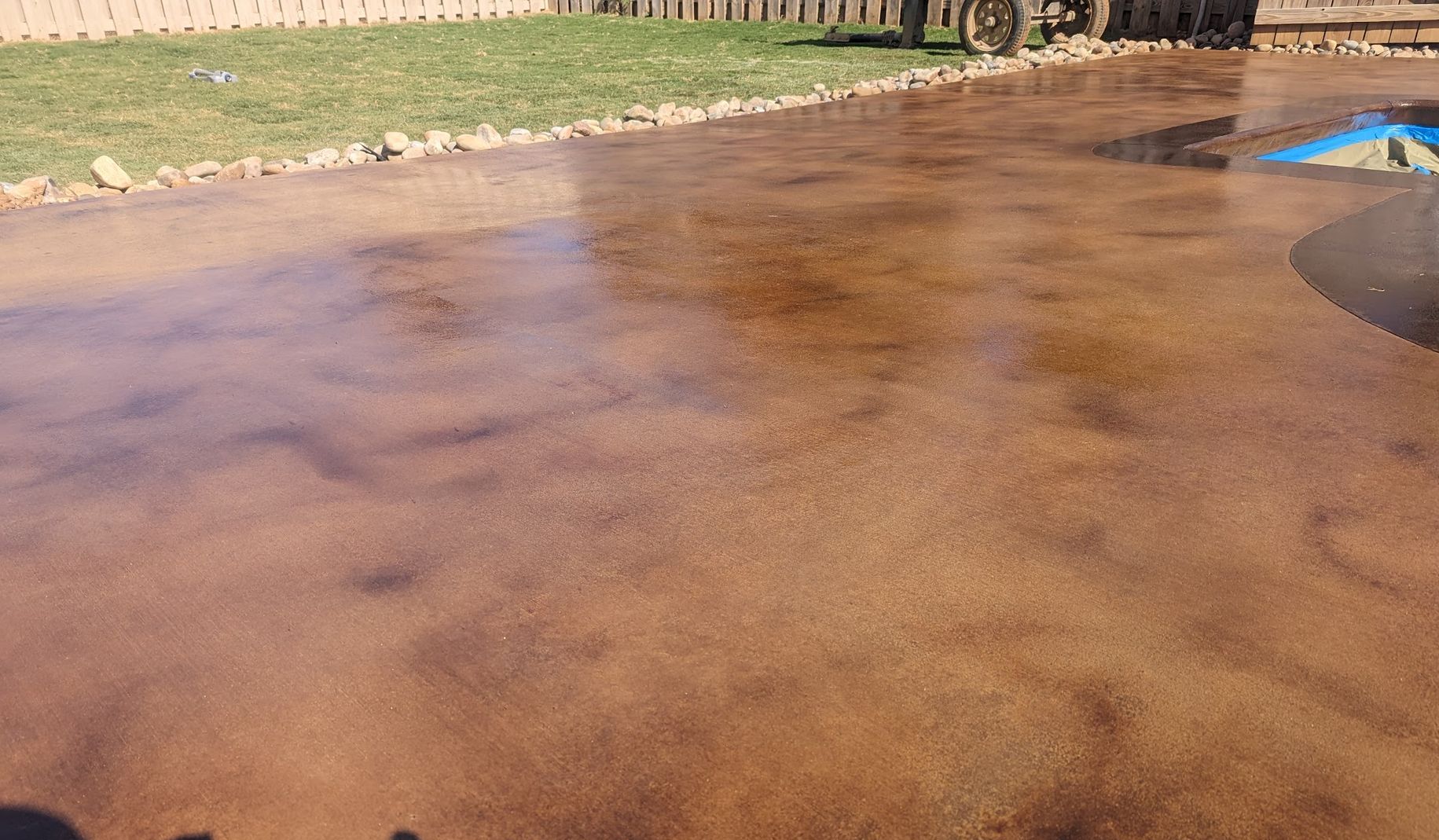
Once a homeowner decides they want stained concrete, the next question is which type of stain. Acid stain and water-based stain aren't interchangeable — they react with concrete differently and produce noticeably different final looks, and picking based on the wrong assumption can mean a result that doesn't match what you had in mind. How Acid Stain Works Acid stain contains metallic salts dissolved in an acidic solution that chemically reacts with the lime naturally present in cured concrete. This reaction is what produces color — meaning the exact shade depends partly on the specific chemical makeup of your slab, and no two acid-stained floors turn out perfectly identical. The result is a mottled, variegated, marbled look often compared to natural stone, with earthy tones like terracotta, amber, and soft greens being especially common. How Water-Based Stain Works Water-based stain doesn't rely on a chemical reaction — it's a pigment suspended in a water carrier that penetrates the surface and deposits color more predictably and uniformly. This gives access to a much wider color range, including vibrant blues, reds, and other tones that acid stain simply can't produce, since acid stain is limited to the reactions available with lime. Both methods fall under our stain and polish service, and we help clients choose based on the look they're after. Which One Fits Your Vision If you want a natural, organic, stone-like variation with earthy tones and don't mind some unpredictability in the exact final shade, acid stain delivers a look that's hard to replicate any other way. If you want a specific, consistent color — matching a brand palette, a design scheme, or simply wanting predictability over organic variation — water-based stain is the more reliable choice. Application Differences Worth Knowing Acid stain requires careful neutralization after application to stop the chemical reaction and prevent residue from affecting the sealer applied afterward — a step that takes real experience to get right. Water-based stain is generally more forgiving to apply and touch up, which is part of why it's grown in popularity for both DIY-adjacent projects and predictable commercial work. Get Expert Guidance on Your Stain Choice Blastek Concrete Designs works with both acid and water-based stains for homes and businesses across Spartanburg and the Upstate, and we'll help you pick the one that actually matches your vision. Call Toby at (864) 266-8841 or reach out through our contact page for a free consultation.
November 23, 2026
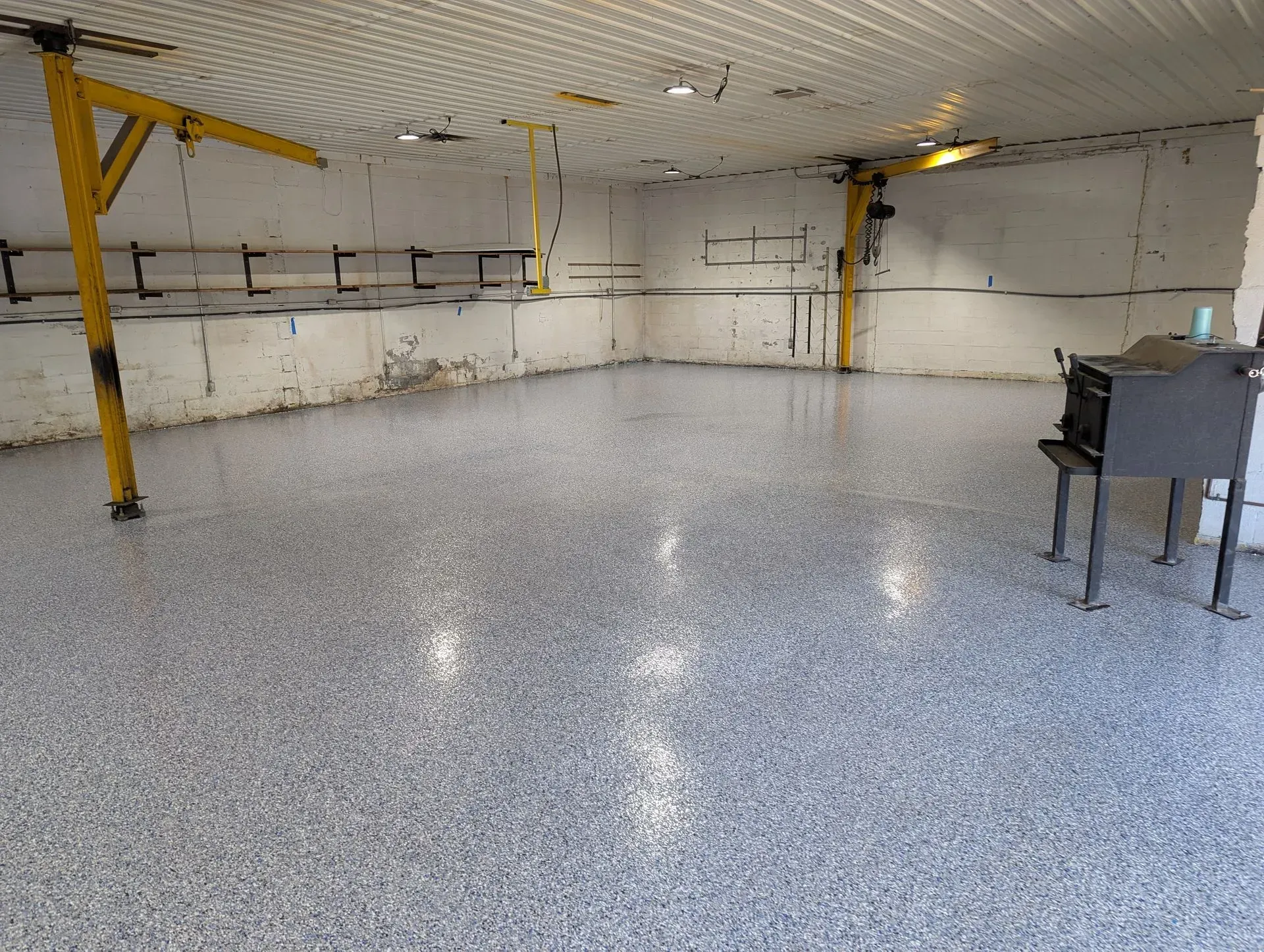
A commercial floor has to survive things a residential floor never sees — forklift traffic, grease, sanitizer chemicals, standing water, and daily heavy foot traffic for years without failing. Warehouses and commercial kitchens sit at opposite ends of that list in terms of what they store and produce, but they share the same underlying need: a floor system specified for the actual abuse it's going to take, not a generic coating applied the same way everywhere. Why Warehouses and Kitchens Need a Different Approach Than a Garage Residential epoxy is built around foot traffic, the occasional vehicle, and everyday spills. Commercial spaces need more: epoxy and coatings systems that are resistant to stains, chemicals, and moisture, and slip-resistant for high-traffic areas where staff are moving quickly and floors get wet. That's a different spec than a garage floor, even though both fall under the same general epoxy category. Warehouses & Industrial Spaces Warehouse and industrial floors take a beating that few other commercial spaces do — rolling equipment, pallet jacks, dropped tools, and chemical exposure from whatever's being stored or handled on site. A high-durability industrial-grade epoxy system is built to withstand that kind of heavy equipment traffic without cracking, pitting, or delaminating under the load. We've handled warehouse floor sealing in Spartanburg, SC, and epoxy work at an Asheville, NC brewery — two very different operations that both needed a floor that could take continuous heavy use without breaking down. Commercial Kitchens & Restaurants Commercial kitchens have their own specific demands: grease, high heat, constant washdowns, and strict slip-resistance requirements for a food-service environment. On a recent restaurant upfit for El Vaquerito Cocina Mexicana in Blacksburg, SC (completed December 2025), Blastek installed two different systems in the same building — an 800-grit polished concrete finish in the dining room and bar for a smooth, reflective, low-maintenance front-of-house floor, and a double broadcast quartz system in the kitchen, coolers, and back-of-house areas. The kitchen zone needed the texture, grip, and chemical resistance that a food-service back-of-house demands, while the dining room needed a finish built for the visual side of the business — two zones, two systems, specified for what each one actually has to handle. Matching the System to the Zone The El Vaquerito project is a good example of how commercial flooring decisions usually work: it's rarely one finish for the entire building. A warehouse floor and its office area often need different systems, and a restaurant's dining room and kitchen almost always do. Specifying each zone correctly up front — instead of coating the whole building the same way — is what keeps a commercial floor from failing early in the areas that take the most abuse. What Commercial Epoxy Costs Industrial-grade epoxy systems built for heavy commercial and warehouse use typically run $8.00–$15.00 per sq. ft., reflecting the additional durability and chemical resistance those systems are built for compared to a standard residential coating. Exact pricing depends on the system specified, the square footage, and the condition of the existing slab — which is part of why a site visit matters more for commercial projects than a phone estimate.  Get a Commercial Flooring Quote Blastek Concrete Designs installs commercial and industrial epoxy and coatings systems for warehouses, restaurants, and commercial kitchens across Spartanburg and the Upstate. Call Toby at (864) 266-8841 or reach out through our contact page to talk through what your space needs.
November 18, 2026
A garage is one of the first spaces a buyer walks through, and it's usually also one of the least finished. A cracked, stained, or bare concrete floor reads as unfinished; a clean, coated floor reads as a space that's been taken care of. That difference is part of why an epoxy garage floor comes up so often as a small upgrade with an outsized effect on how a home shows. What Buyers Actually Notice in a Garage Most buyers aren't evaluating a garage floor the way a contractor would — they're not checking for proper slope or reading the finish schedule. What registers is simpler: does this space look maintained, or does it look neglected? Oil stains, pitting, dust, and old cracked concrete all signal deferred maintenance, even if the rest of the house is in great shape. A coated floor removes that signal entirely. Why Epoxy Specifically Plain concrete can be cleaned or resealed, but it still looks like a garage floor. Epoxy coatings change that entirely — a solid-color, flake, or metallic finish gives the space a done look that plain concrete can't match, without the cost of a full flooring material change. It's also one of the few garage upgrades that shows up immediately in a walkthrough, rather than something a buyer has to take on faith. Durability Buyers Can Actually Rely On Part of what makes epoxy a credible upgrade — not just a cosmetic one — is that it holds up. With proper installation, epoxy flooring can last 15+ years in a residential garage with minimal maintenance, which means a buyer isn't inheriting a floor that needs to be redone again soon. That durability is also why it's worth having the surface properly prepped rather than coated over dirt, oil, or an unsealed slab — a coating that fails early undercuts the exact upgrade it was meant to be. Cost Versus What It Adds An epoxy garage floor generally runs $3.00–$5.50 per sq. ft. for a solid-color finish, $6.00–$10.00 for metallic, and $7.00–$12.00 for polyaspartic coatings — the same ranges we broke down in our epoxy garage floor cost guide . For a typical 2-car garage, that puts the project well below most other pre-sale upgrades that touch the same amount of square footage, while addressing one of the more visible rooms in a walkthrough.  Getting Your Garage Floor Coated Blastek Concrete Designs installs garage floor epoxy coating for homes across Spartanburg and the Upstate — whether you're finishing a garage for your own use or getting it ready to show. Call Toby at (864) 266-8841 or reach out through our contact page for a free, on-site quote.
November 11, 2026
Staining and polishing both turn a dull gray slab into something worth showing off, but they achieve that in fundamentally different ways — one adds color, the other refines texture and shine. Understanding which effect you actually want makes the decision a lot easier. What Staining Does Concrete staining applies colorants or dyes that penetrate the surface, producing a rich, translucent finish that highlights the natural variation and texture already in the concrete. Because the color reacts somewhat differently across the slab's natural texture, no two stained floors look perfectly uniform — which is part of the appeal for homeowners wanting a mottled, organic look rather than a flat, single-tone color. This is a core part of our stain and polish service. What Polishing Does Polishing is a mechanical process — grinding the concrete surface with progressively finer abrasives until it reaches a smooth, glossy, reflective sheen. There's no added color unless it's combined with a stain or dye beforehand; polishing on its own enhances the concrete's natural tone and brings out a level of shine that ranges from satin to a near-mirror finish depending on how far the grinding progresses. Which One Fits Your Space If you want color — a warm terracotta tone in a living room, a deep charcoal for a modern basement, or a custom color that matches your home's palette — staining is the path. If you want a sleek, reflective, low-maintenance surface that highlights the concrete itself rather than adding color, polishing is the better fit. Many Spartanburg homeowners combine both: a stain for color, followed by polishing to bring out shine and durability on top of it. Maintenance Differences Polished floors are generally the easier of the two to maintain long-term — the dense, ground surface resists staining and requires minimal upkeep beyond routine cleaning. Stained floors need a quality sealer to protect the color from fading and staining over time, and that sealer benefits from periodic reapplication, especially in high-traffic areas.  Get a Recommendation for Your Home Not sure which fits your space? Blastek Concrete Designs handles both staining and polishing for homes and businesses across Spartanburg and the Upstate. Call Toby at (864) 266-8841 or reach out through our contact page for a free consultation.
Basement Floor Crack Repair in Spartanburg, SC | Blastek
November 10, 2026
Cracks in your basement floor? Which ones are cosmetic, which need attention, and how they're repaired before polishing, sealing or epoxy in Spartanburg.
November 4, 2026
It's one of the first questions we get after every grind and seal project: how long is this actually going to last? In the Upstate, the honest answer depends heavily on where the concrete is — indoors or outdoors — and how much sun, moisture, and temperature swing it's exposed to over the year. Indoor Floors: The Best-Case Scenario A grind and seal finish on an interior floor — a basement, garage, or covered living space — is shielded from direct UV exposure and the freeze-thaw cycling that outdoor surfaces face. With routine cleaning and periodic sealant refresh, indoor grind and seal finishes commonly hold their look and protection for many years before needing significant attention. Outdoor Surfaces: Why They Wear Faster Patios, walkways, and pool decks face a tougher environment. South Carolina's intense summer UV exposure gradually breaks down sealant over time, and the state's freeze-thaw cycles in winter — moisture penetrating the surface, freezing, and expanding — put ongoing stress on any coating. Outdoor grind and seal finishes typically need sealant reapplication more frequently than indoor floors to keep up with this exposure. What Actually Determines Lifespan Beyond indoor versus outdoor exposure, three factors matter most: the quality of the sealant used, how well the surface was prepped before sealing, and how much traffic and weight the surface handles regularly. A properly ground and prepped surface holds a sealant coat significantly longer than one where prep was rushed, since the sealant needs a clean, properly profiled surface to bond to. Signs It's Time to Reseal A grind and seal finish that's starting to look dull rather than glossy, showing water absorbing into the surface instead of beading, or showing light traffic wear patterns are all signs the sealant layer has worn thin. Catching this before the underlying concrete starts staining again is a much smaller job than waiting until the surface looks visibly worn. Get a Maintenance Assessment Not sure if your grind and seal floor or patio needs attention? Blastek Concrete Designs offers free assessments across Spartanburg, Boiling Springs, and the Upstate. Call Toby at (864) 266-8841 or reach out through our contact page .
October 28, 2026
A dull, stained, or worn concrete floor is one of the most common calls we get in Spartanburg, and one of the most common assumptions homeowners make is that the only fix is ripping it out and starting over. In most cases, that's not true. Grind and seal is a process built specifically to take existing concrete and bring it back to a smooth, protected, better-looking surface without a full replacement. What the Process Actually Involves Our grind and seal process starts with specialized diamond grinding equipment that removes surface imperfections — stains, blemishes, unevenness, old failed coatings — down to a smooth, uniform surface. Depending on the depth of the grind, this can also expose the natural aggregate in the concrete for a more textured, decorative look. Once the surface is properly prepped, we apply a protective sealant that guards against future staining, moisture penetration, and everyday wear. Where This Works Best Grind and seal is a strong fit for patios, garage floors, basements, walkways, and interior floors that are structurally sound but cosmetically tired — surface staining, dullness, minor pitting, or an old coating that's starting to fail. It's not the right fix for a slab with structural cracking or active movement, since sealing over a moving slab just delays the same problem. Why It's More Affordable Than Replacement Because grind and seal works with the existing slab rather than removing and repouring, it costs a fraction of full replacement and takes a fraction of the time — typically finished in a day or two for most residential projects, compared to the demolition, curing, and finishing timeline a new pour requires. How Long It Lasts With proper sealant maintenance — reapplying every few years depending on traffic and exposure — a grind and seal finish can look good for many years. Indoor floors with lighter traffic tend to hold their finish longer than exterior patios exposed to South Carolina's sun, rain, and freeze-thaw cycles.  Get a Free Assessment If your concrete is looking dull, stained, or worn but you're not sure it needs full replacement, Blastek Concrete Designs offers free assessments across Spartanburg, Boiling Springs, and the Upstate. Call Toby at (864) 266-8841 or reach out through our contact page .
October 23, 2026
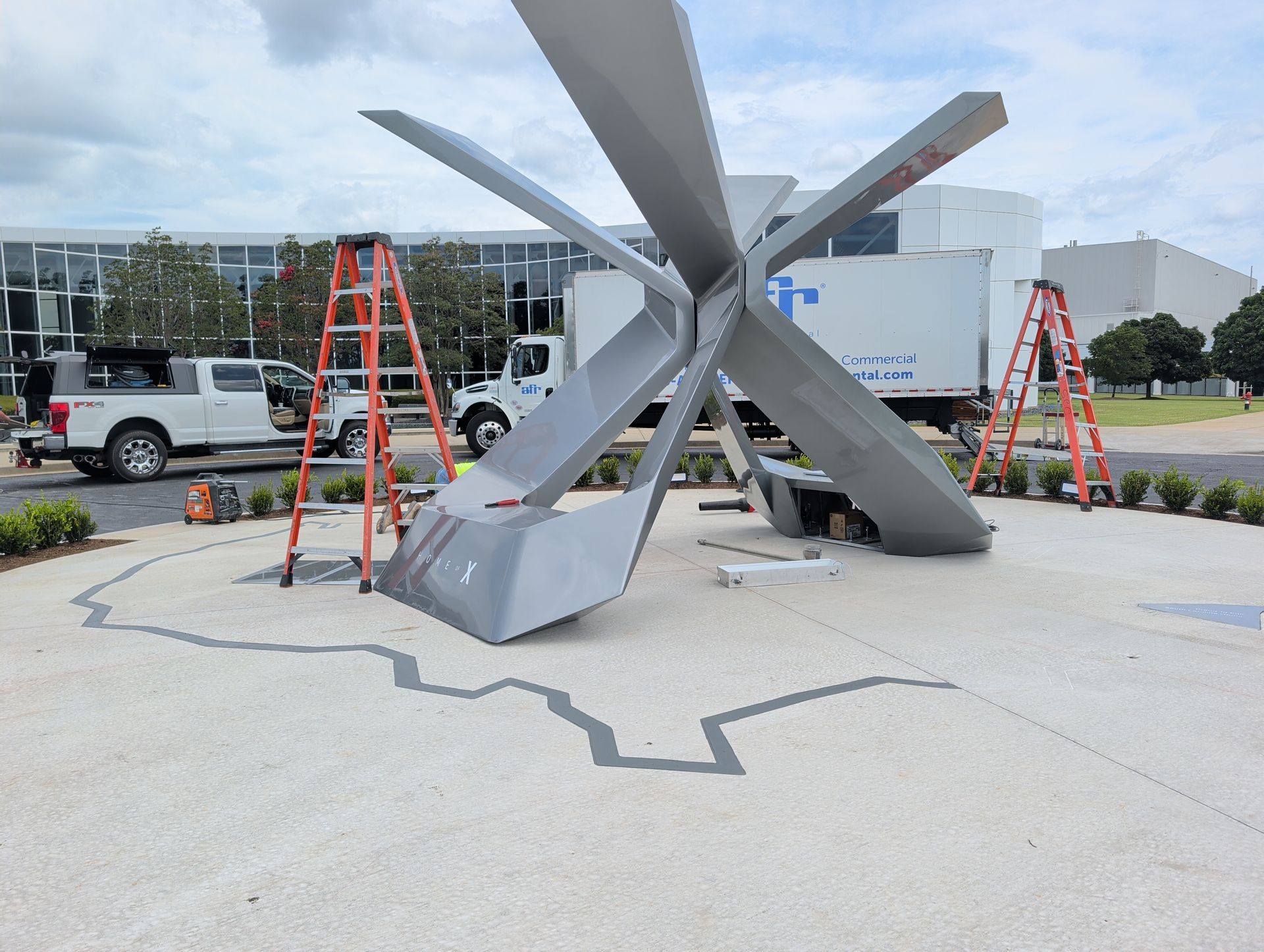
A plain concrete slab can do more than hold up a building entrance. With the right engraving, it can become a feature that people stop and look at. That's exactly what we set out to do in Greer, SC, where we engraved a large United States outline for the launch of the new BMW X5. Here's a look at the project, how the engraving was done, and what business owners across the Upstate should know before adding a custom design to their own concrete. The Project: An 18 ft x 22 ft U.S. Outline For this commercial project in Greer, Blastek Concrete Designs created a custom concrete engraving of the United States outline. The finished design measures 18 feet by 22 feet, making it a large, eye-catching feature that works as a centerpiece for the space around it. How We Engraved It We cut a double outline around the shape of the country, then stained the center in a charcoal color. The double outline gives the design a crisp, defined edge, and the charcoal stain adds strong contrast against the lighter concrete around it. Together, the engraved lines and the concrete staining make the map read clearly from a distance and up close. Why Engraving Works for Commercial Spaces Engraving is a good fit when a business wants something more custom than a standard floor or slab. Because the design is cut into the concrete itself, it becomes part of the surface instead of something sitting on top of it. Businesses often use engraving for logos, maps, and custom artwork at entrances, plazas, lobbies, and event areas, anywhere a space needs to make a statement. What the Engraving Process Looks Like Every engraving project starts with a surface assessment, where we inspect the concrete for cracks, coatings, and texture. Next comes surface preparation, followed by the custom engraving itself. Finally, the surface is sealed to protect the finished design. Planning each step carefully is what keeps lines clean and the final result sharp. Planning Your Own Engraved Design Not sure whether engraving or scoring is the right fit? Read our guide to concrete scoring vs. engraving to see how each technique works and which one suits your space.  Get a Free Quote for Commercial Concrete Engraving Blastek Concrete Designs provides concrete engraving and staining across Greer, Spartanburg, Greenville, and the Upstate. Whether you want a logo, a map, or a custom design for your business, call Toby at (864) 266-8841 or request a free quote to get started.
October 21, 2026
A cracked patio or garage floor is one of the most common reasons Spartanburg homeowners call us — and the assumption is almost always that the fix requires a full overlay or replacement. Sometimes it does. But when the cracking is stable and mostly cosmetic, scoring offers a creative alternative that turns the flaw into part of the design instead of covering it up entirely. Why This Works Concrete scoring cuts intentional lines into a slab to create a pattern — grids, borders, or geometric shapes. When an existing crack runs roughly parallel to where a natural design line would go anyway, incorporating that crack into the scoring pattern makes it read as an intentional part of the design rather than a flaw the eye is drawn to. The crack doesn't disappear, but it stops being the first thing anyone notices. When This Approach Makes Sense This works best on stable, hairline-to-moderate cracking that isn't actively widening or showing signs of ongoing structural movement. If a crack lines up reasonably well with a grid or border pattern, or if the slab has multiple cracks that can be woven into a broader scored design, this is often a faster and more affordable path than a full overlay. When It's Not Enough on Its Own Active cracks, cracks with vertical displacement between the two sides, or extensive spider cracking across the whole slab usually need more than scoring — a repair, and often an overlay, first. We assess the crack pattern before recommending this approach, since scoring over an active crack won't stop that crack from continuing to widen. Pairing Scoring With Stain or Sealer Scoring is often combined with a stain or grind and seal finish to complete the look — the scored lines create the pattern, and the color or sealer ties the whole surface together so the disguised crack blends fully into the finished design rather than standing out as a repair.  Get Your Cracked Concrete Assessed If your patio, walkway, or floor has cracking you'd rather disguise than replace, Blastek Concrete Designs can tell you honestly whether scoring is the right fit. Call Toby at (864) 266-8841 or reach out through our contact page for a free assessment across Spartanburg and the Upstate.
October 14, 2026
Scoring and engraving both cut into concrete to create a decorative pattern, and it's easy to see why homeowners in Spartanburg and the Upstate use the terms interchangeably. But the tools, the depth, and the kind of design each technique produces are genuinely different — and picking the wrong one for your project can mean a result that doesn't match what you pictured. What Scoring Actually Is Scoring uses a saw or grinder to cut shallow, straight lines into the concrete surface, typically to mimic the look of pavers, tile, or large-format stone. It's fast, relatively affordable, and works well for creating clean geometric patterns — grids, borders, or a running-bond layout — across a patio, walkway, or interior floor. What Engraving Actually Is Engraving goes further, using specialized tools to carve more intricate designs, motifs, or even custom logos directly into the surface. This is where our concrete engraving service comes in — it's a different level of detail than scoring, capable of texture, curved lines, and imagery that a straight-line saw cut simply can't produce. Which One Fits Your Project If you want the look of a tiled or paved surface without the cost or maintenance of actual pavers, scoring is usually the right call — it's quicker to install and reads well from a distance. If you want a genuinely custom design element — a business logo at an entrance, a decorative medallion, or an intricate pattern that becomes a visual feature — engraving is worth the additional time and investment. Combining Both on One Project Many of our Spartanburg projects actually use both: scoring to lay out the overall geometry of a patio or floor, with engraving reserved for a focal point, like a centerpiece design or an entryway detail. This gives a project visual structure without every square foot needing the same level of intricate detail.  Get a Design Consultation Not sure which technique fits your space? Blastek Concrete Designs handles both scoring and engraving across Spartanburg, the Upstate, and the surrounding region. Call Toby at (864) 266-8841 or reach out through our contact page for a free consultation.