Concrete Patios: Durable, Weather-Resistant Outdoor Spaces
Toby Dill • May 2, 2025
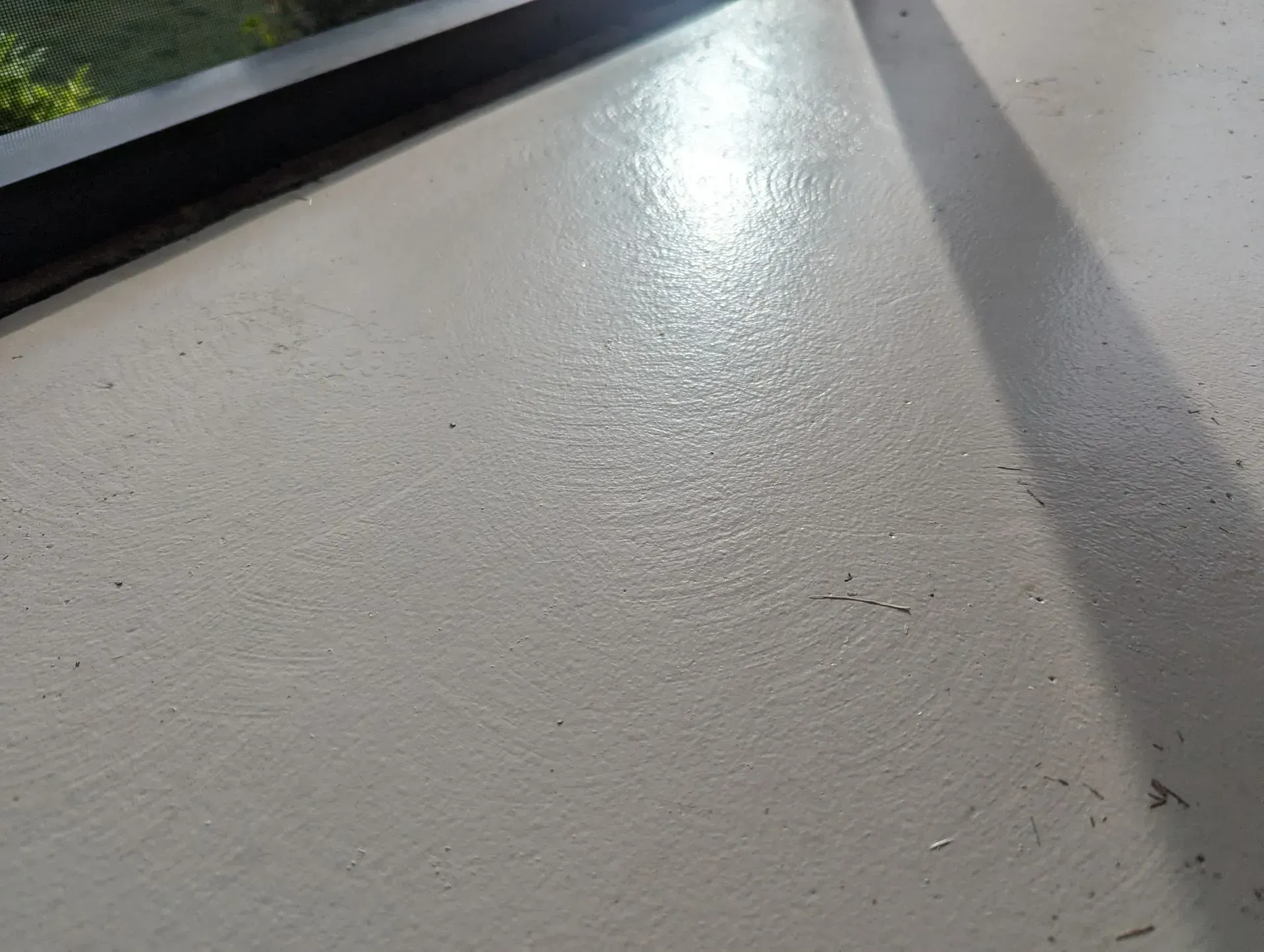
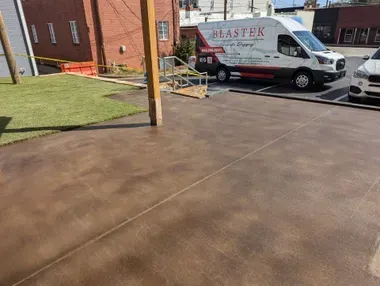
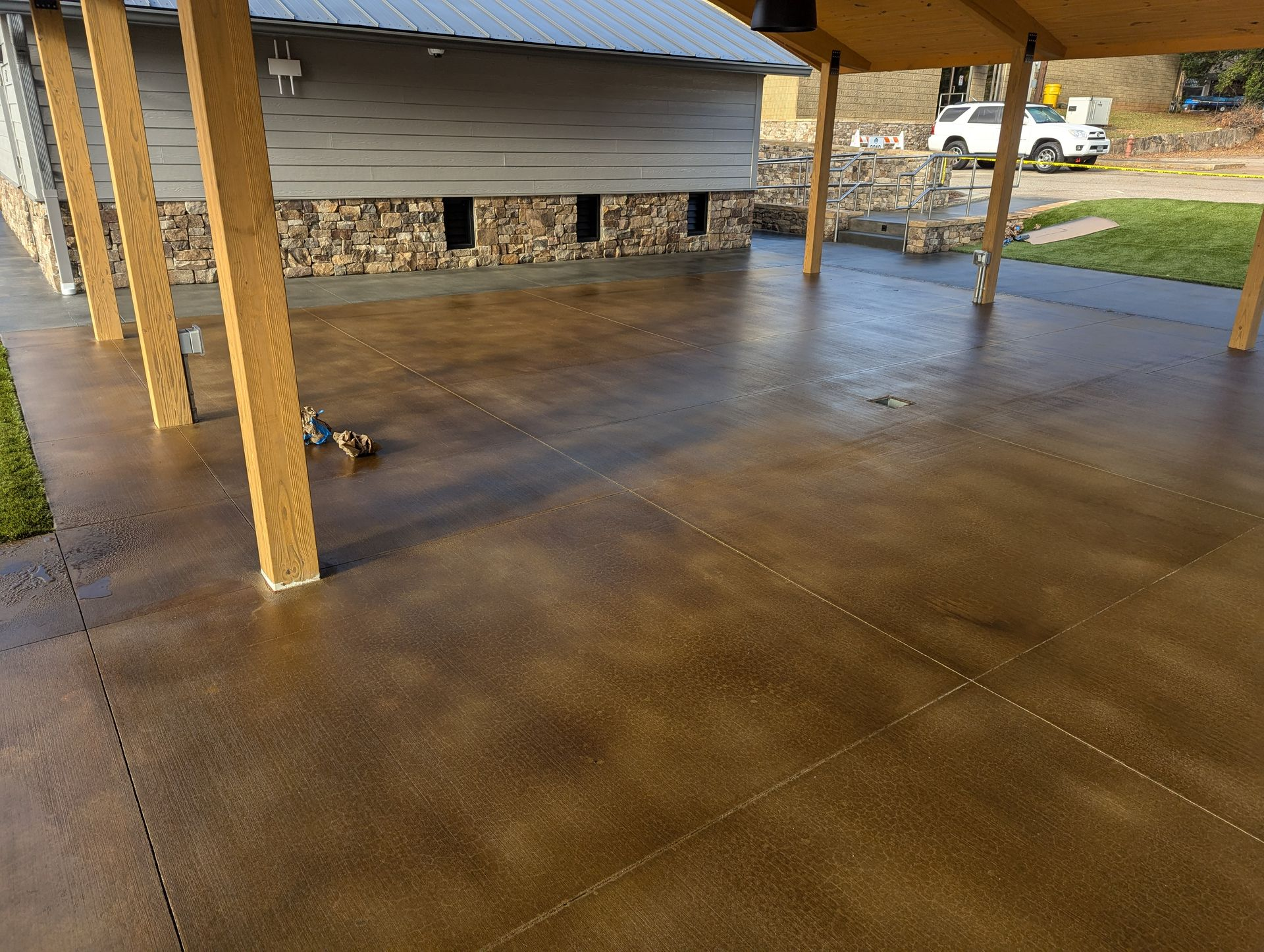
Smooth concrete patio under raised deck with sealed finish installed by Blastek Concrete Designs in Duncan, SC.
When it comes to creating an outdoor space that lasts, concrete stands in a league of its own. Concrete patios are quickly becoming the go-to choice for homeowners who want a surface that’s strong, stylish, and ready to handle anything the weather throws at it. Whether you're planning to host summer cookouts, relax in the evenings, or simply boost your home’s value, concrete delivers on all fronts.

Forget flimsy decks and cracked pavers—today’s concrete patios are custom-crafted, highly durable, and engineered to last for decades with minimal maintenance. Let’s explore what makes them a smart investment for any outdoor living space.

Why Choose Concrete for Your Patio?

Concrete offers a rare combination of durability, flexibility, and visual appeal. Here’s why more homeowners are ditching traditional materials and going all-in with concrete patios:


1. Built to Last

Concrete is incredibly strong. When poured and cured properly, a concrete patio can last 30 to 50 years or more. It resists rot, rust, pests, and moisture better than wood or composite decking, especially in areas with seasonal weather changes.


2. Low Maintenance

Forget staining, sanding, or sealing every year. A sealed concrete patio requires only occasional cleaning to look its best. And with the right finish, it’s also resistant to stains, fading, and surface wear.


3. Customizable Designs

Concrete is no longer the dull gray slab of the past. With today’s techniques—like stamping, staining, scoring, and integral color—you can achieve nearly any aesthetic: from modern minimalist to rustic stone or tile looks.


4. Weather Resistant

From blazing summers to winter storms, concrete holds up. It won’t warp in heat, splinter in cold, or become slippery in rain when properly finished. For climates with freeze-thaw cycles, it outperforms pavers and brick by resisting shifting and heaving.

Popular Styles for Modern Concrete Patios

Whether you’re designing a cozy backyard retreat or a sprawling entertainment area, concrete offers style options for every taste.


✅ Stamped Concrete

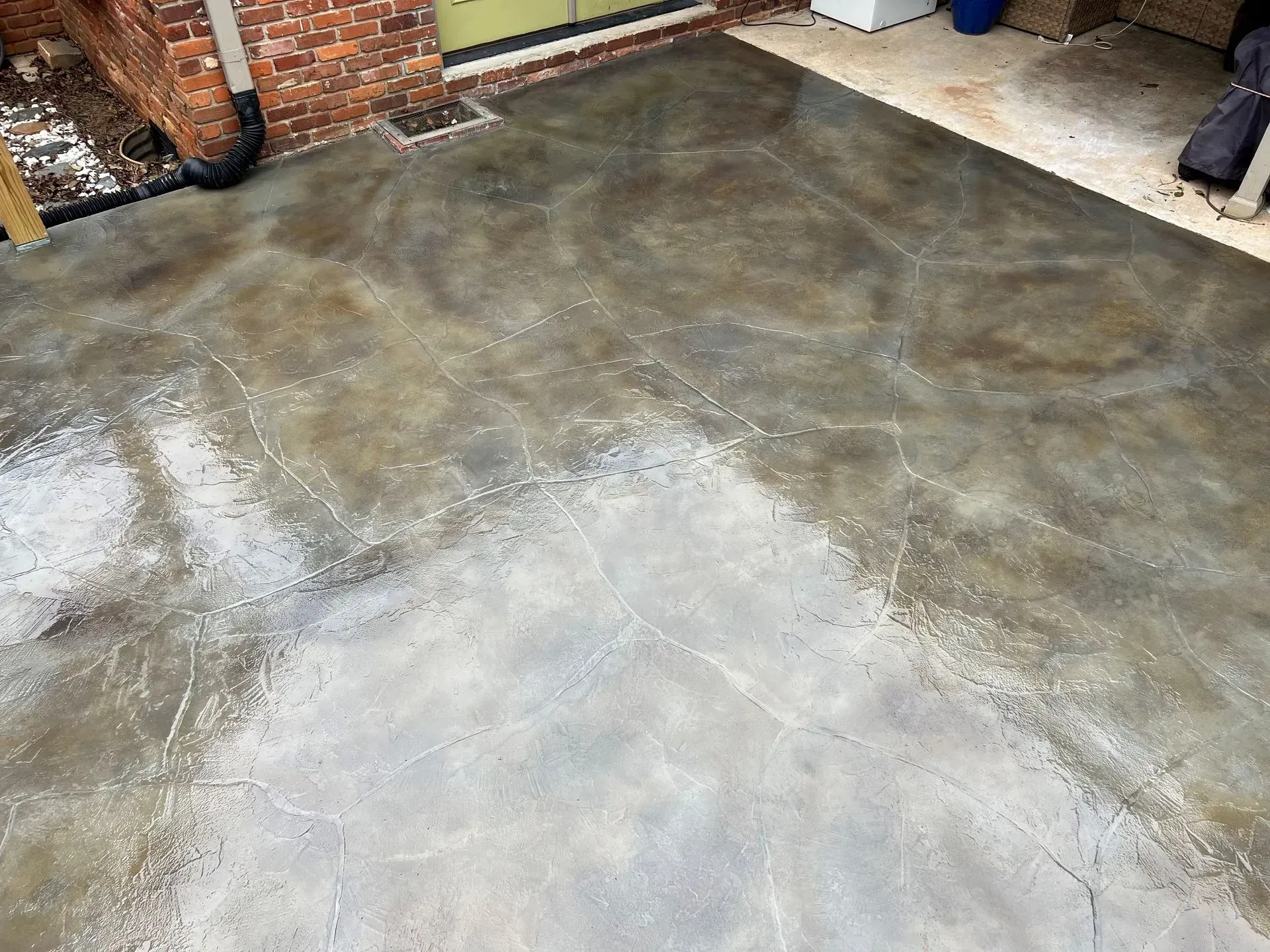
Stamped concrete mimics the texture and pattern of stone, brick, slate, or wood—offering a high-end look without the cost. It’s ideal for homeowners who want a natural stone look that won’t loosen or fade.


✅ Colored or Stained Concrete

From soft earth tones to bold charcoals, color is integrated into the concrete or applied with stains to create depth and contrast. UV-stable sealers keep it looking fresh year after year.


✅ Exposed Aggregate

This finish exposes the natural stones within the concrete mix, giving a slip-resistant and visually interesting texture. It’s perfect for poolside patios or walkways where traction matters.


✅ Brushed or Broom Finish

A practical choice for high-traffic areas, this simple texture adds grip without sacrificing style. Often used on driveways or patios where function takes priority.

The Installation Process: What to Expect

Installing a concrete patio is a process that requires expertise and planning—but when done right, it pays off for years to come.


1. Site Preparation

The area is cleared, leveled, and compacted. A proper base of gravel or sand is laid to support the slab and improve drainage.


2. Forming & Reinforcement

Forms are built to define the shape and dimensions. Rebar or wire mesh is installed to reinforce the concrete and reduce the risk of cracking.


3. Pouring the Concrete

The concrete mix is poured and leveled. If stamping, coloring, or texture is included, it’s applied before the concrete fully sets.


4. Curing

Curing is critical to strength and durability. The patio is kept moist and protected for several days to ensure a slow, even cure.


5. Sealing

A sealer is applied to protect against weather, stains, and fading—especially for decorative finishes.


Depending on size and design complexity, the average concrete patio takes 3 to 5 days from prep to seal.

How Much Does a Concrete Patio Cost?

The cost of a concrete patio varies depending on the size, finish, and any decorative elements you include. Here’s a general breakdown:

Type Average Price (per sq. ft.)
Plain concrete $8 – $10
Stamped or decorative $12 – $18
Colored or stained $10 – $16
Exposed aggregate $10 – $14

A standard 400 sq. ft. patio could range from $3,200 to $7,200, depending on location and options. While the upfront investment may be higher than wood or gravel, the long-term savings in maintenance and repairs make concrete the more cost-effective choice over time.

Tips for Maximizing Your Patio’s Lifespan

To get the most out of your new patio, follow these simple tips:


  • Seal every 2–3 years, especially if stained or stamped
  • Avoid deicing salts in winter, which can damage the surface
  • Clean with a mild detergent and water—no harsh chemicals needed
  • Trim nearby plants to reduce moisture buildup
  • Use furniture pads to prevent surface scratching

With minimal care, your concrete patio will continue to look great year after year—no matter the season.

Ideal Add-Ons for a Complete Outdoor Space

A patio is just the start. Here are some great additions that pair well with concrete:


  • Outdoor kitchens or grills
  • Fire pits or fireplaces
  • Pergolas or shade structures
  • Retaining walls or planters
  • Lighting for safety and ambiance
  • Built-in seating or raised edges

These features can be integrated into the initial design or added later to enhance functionality and style.

Final Thoughts: Concrete Patios Are the Smart Outdoor Upgrade

If you’re looking for a patio that offers style, strength, and weather resistance—all in one package—concrete is the answer. Whether you want a simple surface for weekend lounging or a designer finish to impress guests, concrete delivers unbeatable value and performance.


When it comes to getting the job done right, Blastek Concrete Designs is the trusted name in custom patio solutions. With years of experience and a passion for craftsmanship, we help homeowners create outdoor spaces that are both beautiful and built to last.


Ready to upgrade your backyard with a concrete patio that stands the test of time? Contact Blastek Concrete Designs today for a free consultation and let’s start planning your perfect outdoor space.
August 19, 2026
One of the most common questions we get from homeowners and business owners across Spartanburg, Boiling Springs, Inman, and the Upstate sounds simple but rarely has a simple answer: can this concrete be saved, or does it need to come out? The honest answer depends on what's actually wrong with the slab — and a lot of contractors won't tell you the full picture before they hand you a quote. Either they're in the business of replacement and have a reason to recommend it, or they specialize in overlays and coatings and have a reason to say the slab is salvageable. Neither incentive leads to a straight answer. Here's how we actually assess a slab at Blastek, and the decision tree that tells us whether resurfacing makes sense or whether we're going to recommend the client look at other options. What "Resurfacing" Actually Means Before the assessment framework makes sense, it helps to be clear about what resurfacing covers. When we talk about resurfacing at Blastek, we mean finishing, coating, or overlaying the existing concrete — and not installing new concrete. We don't pour new slabs. What we do is take existing concrete and improve what it looks like, how it performs, and how long it lasts. The systems we work with include: Grind and seal — grind the surface to remove damage and contamination, apply a protective sealer. Good for sound slabs with surface-level wear. Stain and seal — color plus sealer on a properly prepped surface. Adds aesthetic value to a structurally sound slab. Concrete overlays — a thin layer of polymer-modified concrete applied over the existing slab. Can cover significant surface damage, change the texture, and allow decorative finishes like flagstone or stamp patterns. Epoxy and coating systems — applied over a prepared slab to add protection, durability, and appearance. Each of these requires the underlying slab to meet a baseline condition. The question is always: does this slab meet that baseline? The Four Things We Look At 1. Structural Integrity This is the non-negotiable. A slab that's heaving, sinking, or actively moving due to soil failure, tree roots, or subsurface erosion cannot be resurfaced. Putting a coating or overlay on a moving slab means the finish will crack and fail as the slab continues to move — usually within a year. Signs of structural failure: significant vertical displacement between slab sections, sections that rock when walked on, active water intrusion from below, or cracking that's widening over time rather than holding stable. If the slab is structurally compromised, the only honest recommendation is to address the underlying cause — which typically means removal, subgrade repair, and new concrete from a general contractor. That's outside what we do, and we'll tell you that directly. 2. Crack Type and Pattern Not all cracks are equal, and crack pattern tells us a lot about what's happening underneath. Hairline cracks — `$normal shrinkage, stable, not a concern for most resurfacing systems Settled cracks with vertical displacement — one side is higher than the other. This means the slab has moved. May still be resurfaceable if movement has stopped, but needs assessment. Map or spider cracking — a web of fine surface cracks, often from ASR (alkali-silica reaction) or freeze-thaw cycles. Can be overlaid if the underlying structure is sound. Deep structural cracks — cracks that go through the full depth of the slab. A problem. Overlay materials can bridge surface cracks but can't hold together a slab that's fractured through. Active cracks — cracks that are moving, widening, or showing fresh concrete debris. Means the problem is ongoing. Resurfacing over an active crack will fail. Our concrete repair work addresses many crack situations before any overlay or coating goes down — but some crack conditions make resurfacing impractical regardless of prep work. 3. Surface Condition Surface damage — spalling, pitting, scaling, delamination of old coatings — is usually what homeowners and business owners are most concerned about. The good news is that surface damage is almost always addressable without full replacement. Grinding removes surface contamination and failed coatings. Overlays can fill and level pitting and spalling. The key is whether the damage is purely surface-level or whether it extends into the structural layer of the slab. Heavy spalling — where chunks of concrete are breaking away and exposing aggregate or rebar — can still be addressed with repair and overlay, but the economics change. At some threshold of surface damage, the cost of prep and repair approaches the cost of replacement, and replacement starts to make more sense. 4. Moisture and Drainage South Carolina's humidity and rainfall create moisture conditions that affect every resurfacing decision. Slabs with active moisture transmission from below — especially basement and below-grade slabs — need moisture mitigation before any coating or overlay goes down. Skip this step and the coating delaminates. Outdoor slabs with poor drainage that pool water against the slab edge or over the surface will continue to fail any finish system over time unless the drainage issue is fixed first. We flag this at the assessment stage because it's cheaper to address drainage before a resurfacing project than to redo the job because water failed it. Our concrete resurfacing assessments always include a moisture check — it's one of the first things we look at. When Resurfacing Makes Clear Sense Slab is structurally sound — no heaving, sinking, or active movement Cracking is stable, surface-level, or limited to hairlines Surface damage is cosmetic — staining, discoloration, minor spalling, old failed sealers Moisture levels are manageable or addressable with primer/mitigation The existing slab has good bones — thickness, aggregate, overall condition are solid In these cases, resurfacing costs a fraction of replacement, takes a fraction of the time, and often produces a better-looking result than new gray concrete. When to Seriously Consider Replacement Slab is heaving or actively moving due to subgrade failure Structural cracks are through-depth and active Rebar exposure and corrosion is widespread The slab is below minimum thickness for the load it needs to carry Drainage issues can't be resolved without full removal The cost of repair and prep approaches or exceeds the cost of new concrete We'll tell you when we think you're in replacement territory — even though it means we're not doing the job. That's a better outcome for everyone than installing a resurfacing system over a slab that isn't going to hold it. What This Assessment Looks Like in Practice For every resurfacing project across Spartanburg, Greer, Boiling Springs, Cowpens, and the Upstate, we walk the slab before we quote anything. We look at crack patterns, test for hollow spots with a chain drag or hammer tap, check for moisture, assess the surface condition, and talk through the drainage situation. That takes 20-30 minutes on most residential projects and a bit longer on commercial slabs. The assessment is free. And if what we find tells us the slab isn't a good resurfacing candidate, we'll say so — and point you toward who can help with the next step.  Get a Free Slab Assessment in Spartanburg Give Toby a call at (864) 266-8841 or reach out through our contact page . On-site assessments are free across Spartanburg, Boiling Springs, Greer, Inman, Cowpens, and the surrounding Upstate.
August 12, 2026
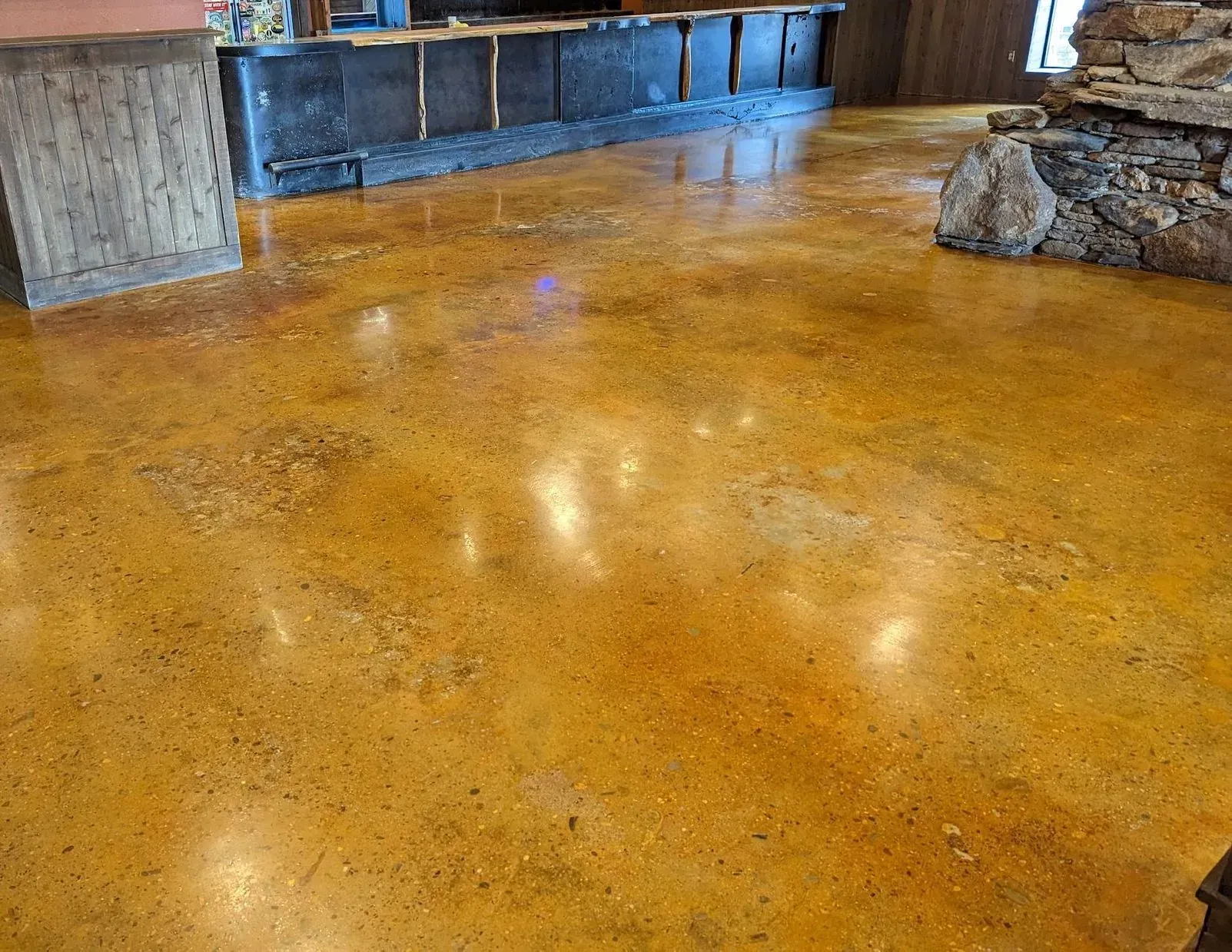
Concrete staining has become one of the most requested floor upgrades for commercial spaces across Spartanburg, Boiling Springs, Greer, and the surrounding Upstate. Retail stores, office buildings, restaurants, event venues, and medical practices are all moving away from VCT and tile toward stained concrete — and for good reason. Done right, it's durable, low-maintenance, and looks like it belongs in a space that was designed with intention. But commercial staining is different from residential staining in ways that matter. A homeowner staining a basement or patio has more margin for error. A business owner staining 3,000 square feet of retail floor in a space that opens to customers in two weeks does not. Here's what to understand before committing to commercial stained concrete in the Upstate. Why Commercial Floors Are a Different Problem Residential concrete staining is mostly about aesthetics and light use. Commercial staining has to account for a set of demands that residential floors rarely face: Foot traffic volume — a retail floor with hundreds of customers daily will wear the sealer differently than a home patio that sees foot traffic on weekends Rolling loads — carts, dollies, hand trucks, and office chairs on wheels all stress the sealer and surface in ways foot traffic doesn't Chemical exposure — cleaning crews in commercial spaces use stronger disinfectants and floor cleaners than most homeowners use, and the wrong sealer breaks down under repeated exposure Health and safety requirements — commercial floors may need to meet slip-resistance standards, especially in food service, medical, or public-access spaces Schedule pressure — most commercial projects have a hard reopening date, which means install timing, cure time, and reoccupancy windows have to be planned precisely A stained concrete contractor who works primarily on residential patios and garages may not have experience managing all five of those variables simultaneously. It's worth asking specifically about commercial project history before signing anything. What Concrete Staining Actually Does to a Commercial Floor Staining doesn't add a new surface on top of your floor — it changes the color of the existing concrete and seals it. Acid stain chemically reacts with the minerals in the slab to produce rich, mottled, earth-toned color that's unique to your specific concrete. Water-based stain bonds to the surface and gives more predictable, uniform color across a wider palette. Either way, the result is still concrete — just colored and sealed. There's no coating to peel, no grout lines to stain, no seams to lift. The sealer wears over time in high-traffic areas, but a commercial-grade sealer maintained with periodic re-application extends the floor's life significantly. Our concrete staining work in commercial spaces uses sealer systems matched to the traffic volume and cleaning program — not the same products we'd put on a residential patio. What the Slab Condition Actually Determines More than almost any other variable, the condition of the existing slab determines whether commercial staining is the right call and what it will cost. Staining works best on slabs that are structurally sound, relatively clean, and free of heavy contamination. Commercial slabs often have years of forklift traffic, oil drips, old adhesive from previous flooring, or VCT tile residue that has to be addressed before staining can begin. We grind the surface to open it up and remove contamination — the stain bonds to clean, properly prepared concrete, not to whatever was on top of it before. If the slab has significant cracking, spalling, or uneven areas, those can often be addressed with grinding and patching before staining — but they have to be disclosed upfront in the quote. A stained floor highlights everything in the slab, for better or worse. A mottled, character-rich acid stain can actually incorporate minor variation beautifully. Major crack repairs or patches will show through. Our concrete grinding and sealing process always comes before staining on any commercial project — it's what makes the color application uniform and the bond reliable. Choosing the Right Stain System for Your Space Acid Stain The classic commercial look. Rich, layered, earth-toned color that reads as sophisticated and intentional. No two floors look the same — the variation is part of the appeal. Most common in restaurants, event spaces, boutique retail, and professional offices that want a distinctive aesthetic. Water-Based Stain More color options, more predictable results. If you need a specific color that matches a brand palette — a corporate office with brand standards, a retail chain with a signature look — water-based stain gives you more control. The finish is slightly more uniform than acid stain, which some commercial clients prefer. Grind, Stain, and Seal vs. Stain and Seal Some commercial projects need a full grind before staining to remove old coatings or contamination and level the surface. Others — newer slabs or slabs in good condition — can be prepped with lighter work. The right approach depends entirely on what the slab looks like on the day we assess it, which is why the on-site walkthrough matters before any quote is finalized. What to Ask Before Signing a Commercial Staining Contract Have you done commercial staining projects at this scale before? — ask to see specific commercial references, not just residential work What sealer are you using, and is it rated for commercial traffic? — residential sealers don't hold up in commercial environments; commercial-grade systems cost more but perform differently What's the cure and reoccupancy timeline? — most stain-and-seal systems need 24-48 hours before foot traffic and 72+ hours before heavy loads; make sure the schedule accounts for this How will you handle existing contamination on the slab? — this tells you whether the contractor actually assessed the slab or is bidding blind What does the warranty cover, and does it exclude improper cleaning products? — cleaning with the wrong products voids most sealer warranties; you need to know what cleaning protocol to follow What's the maintenance program going forward? — commercial stained concrete needs periodic re-sealing (typically every 2-5 years depending on traffic); the quote should include what that looks like What Commercial Staining Costs in the Upstate For most commercial staining projects in Spartanburg and the surrounding area, expect pricing in the range of $3 to $7 per square foot for a quality stain-and-seal system, depending on slab condition, stain type, and the scope of prep required. Projects with significant contamination removal, crack repair, or multiple color applications run toward the higher end. A 2,000 sq ft retail floor typically falls between $6,000 and $14,000. Larger spaces scale down per square foot as the setup overhead spreads further. How Blastek Approaches Commercial Staining We've done commercial staining work in Spartanburg, Greer, Boiling Springs, Inman, Blacksburg, and across the Upstate — office buildings, restaurants, event spaces, and retail floors. Every commercial project starts with a slab assessment before we quote anything. We look at the existing condition, identify contamination, and specify the right system for the traffic and cleaning program the space will actually have. We don't give the same sealer to a restaurant floor and a professional office — the environments are too different. As a father-and-son team with more than 15 years in the business, we've built most of our commercial work through referrals from clients who saw what we did somewhere else and called us. That reputation matters more to us than any single job. Get a Free Estimate for Your Spartanburg Commercial Floor Give Toby a call at (864) 266-8841 or reach out through our contact page . On-site assessments and estimates are free across Spartanburg, Greer, Boiling Springs, Inman, and the broader Upstate.
August 5, 2026
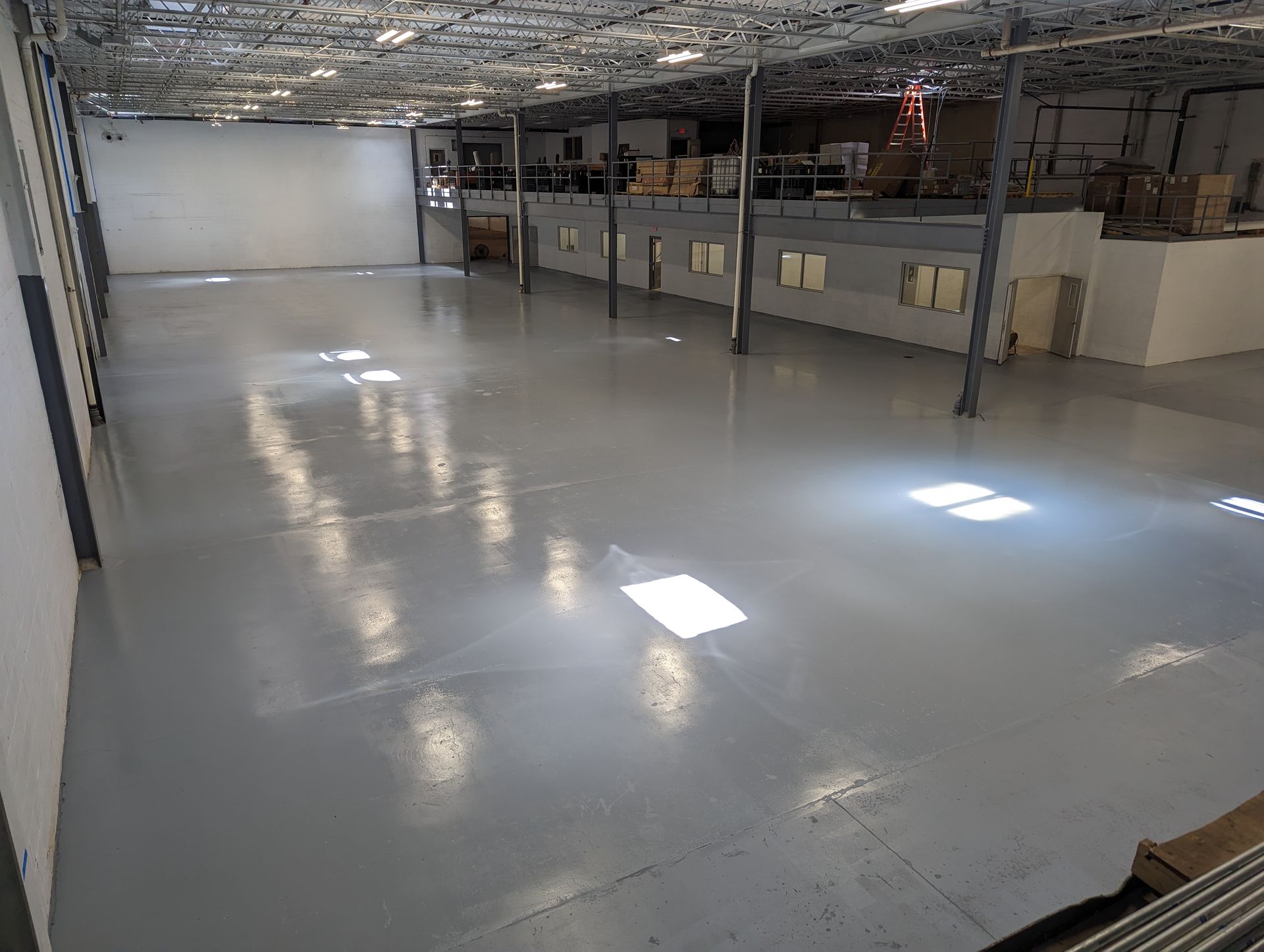
Warehouse & Industrial Floor Coatings in Spartanburg, SC 
July 29, 2026
Concrete Staining Color Options: Choosing the Right Look for Your Space
July 24, 2026
How Long Do Concrete Coatings Last in Upstate SC's Climate?
July 15, 2026
Grind and Seal vs. Full Resurfacing: Fixing Worn Concrete Without Replacing It
July 9, 2026
Healthcare & Medical Facility Floor Coatings in the Upstate
June 30, 2026
Pool Deck Resurfacing in South Carolina: Options, Costs & What to Expect
June 25, 2026
Epoxy Floor Coatings for Upstate SC Breweries & Restaurants
June 17, 2026
Polished Concrete vs. Epoxy Coating: Which Is Right for Your Spartanburg Garage?