Commercial Epoxy Flooring for Upstate Warehouses & Kitchens
A commercial floor has to survive things a residential floor never sees — forklift traffic, grease, sanitizer chemicals, standing water, and daily heavy foot traffic for years without failing. Warehouses and commercial kitchens sit at opposite ends of that list in terms of what they store and produce, but they share the same underlying need: a floor system specified for the actual abuse it's going to take, not a generic coating applied the same way everywhere.
Why Warehouses and Kitchens Need a Different Approach Than a Garage
Residential epoxy is built around foot traffic, the occasional vehicle, and everyday spills. Commercial spaces need more: epoxy and coatings systems that are resistant to stains, chemicals, and moisture, and slip-resistant for high-traffic areas where staff are moving quickly and floors get wet. That's a different spec than a garage floor, even though both fall under the same general epoxy category.
Warehouses & Industrial Spaces
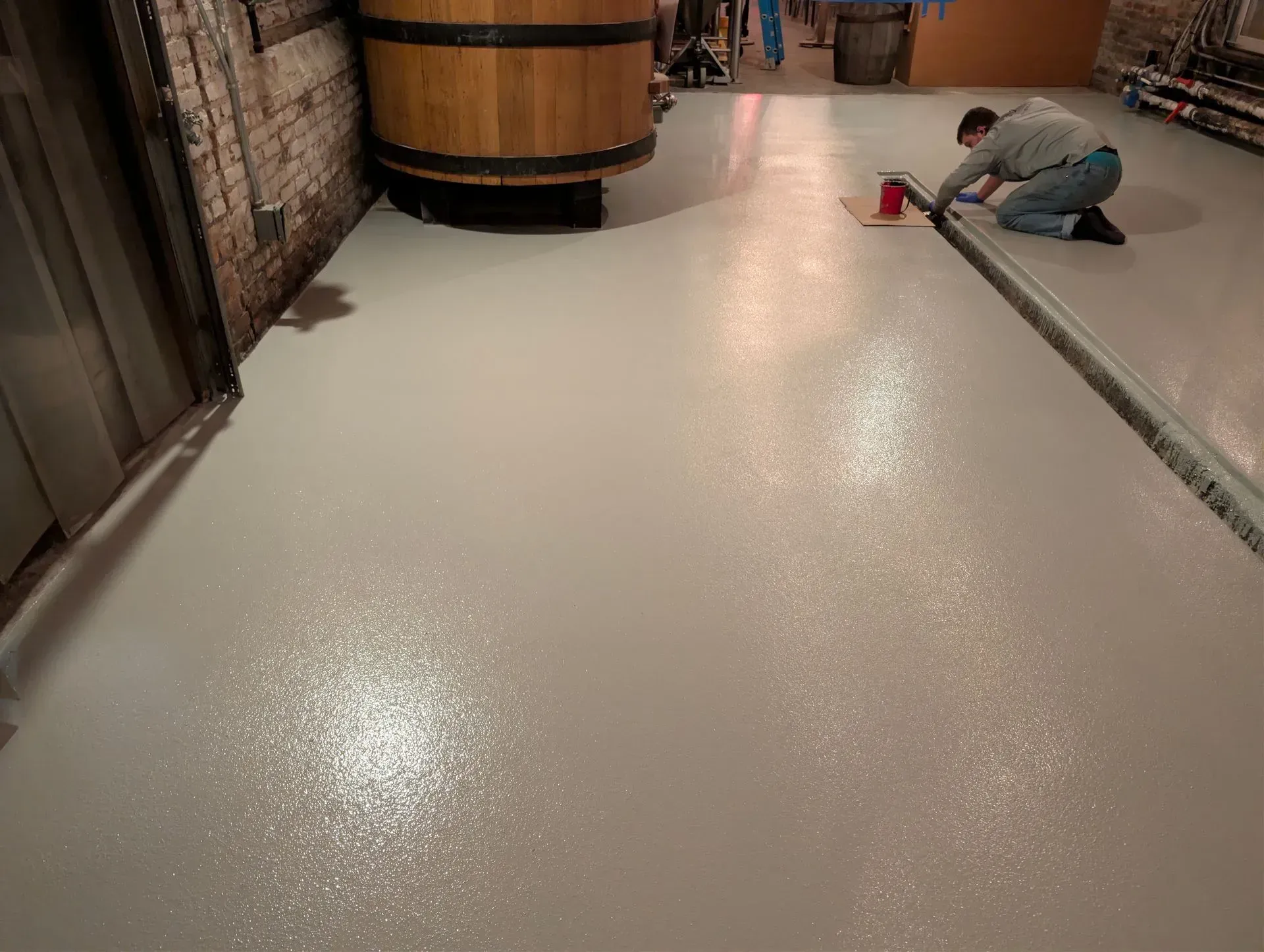
Warehouse and industrial floors take a beating that few other commercial spaces do — rolling equipment, pallet jacks, dropped tools, and chemical exposure from whatever's being stored or handled on site. A high-durability industrial-grade epoxy system is built to withstand that kind of heavy equipment traffic without cracking, pitting, or delaminating under the load. We've handled warehouse floor sealing in Spartanburg, SC, and epoxy work at an Asheville, NC brewery — two very different operations that both needed a floor that could take continuous heavy use without breaking down.
Commercial Kitchens & Restaurants
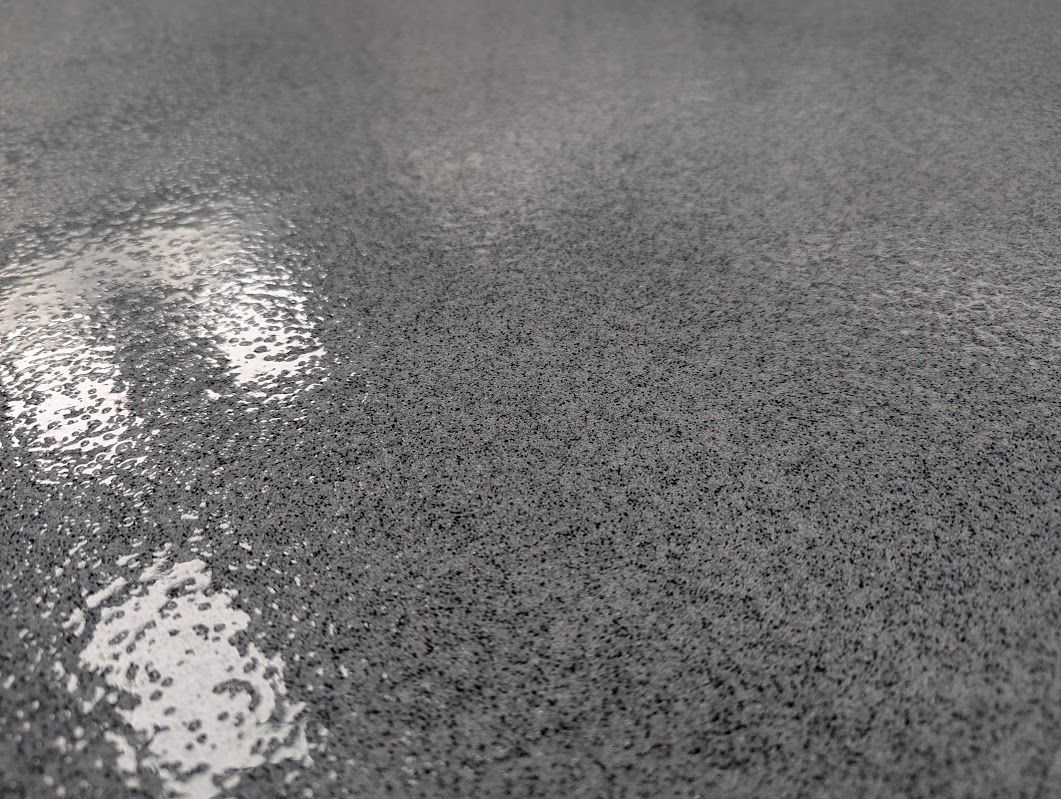
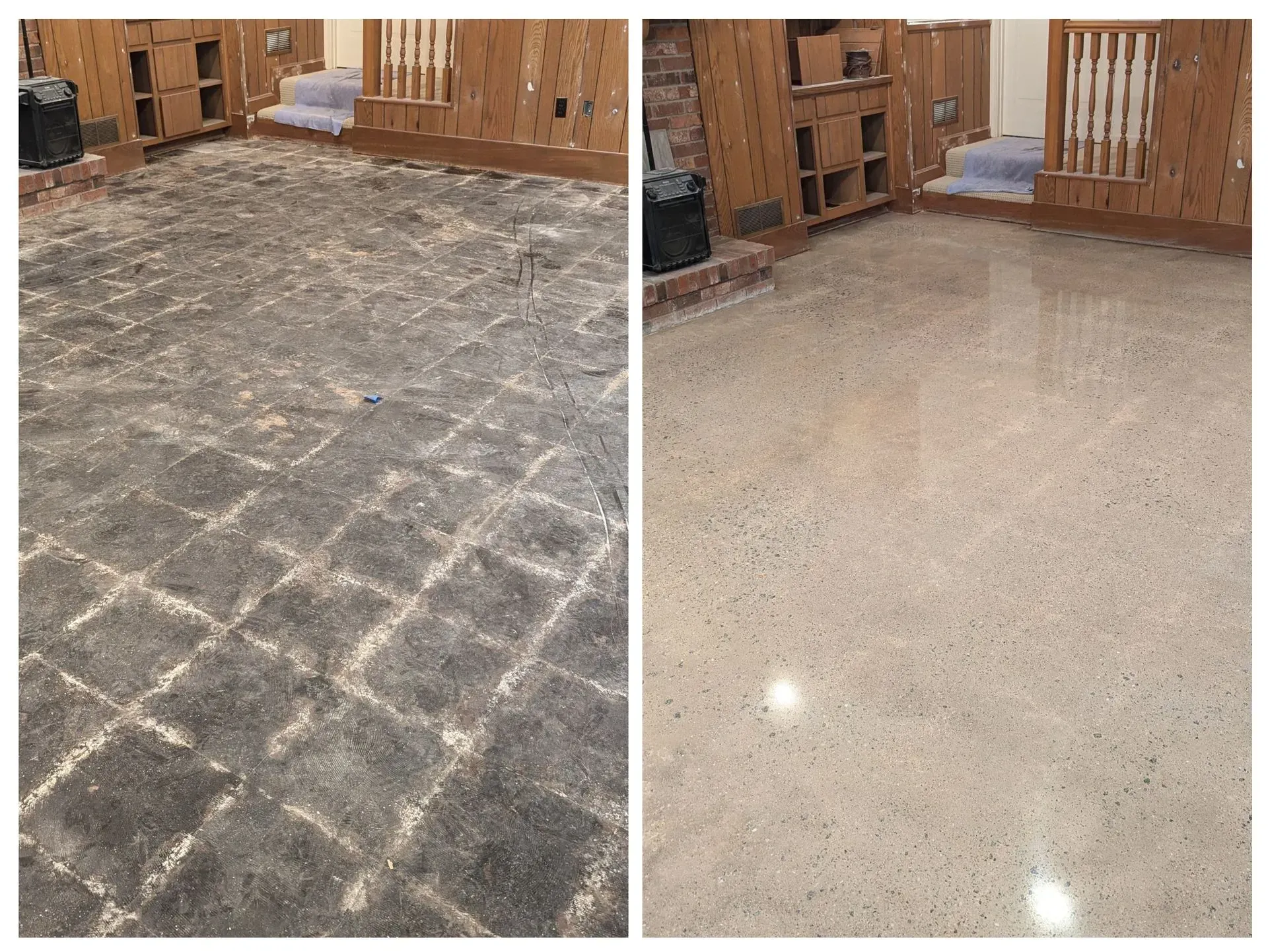
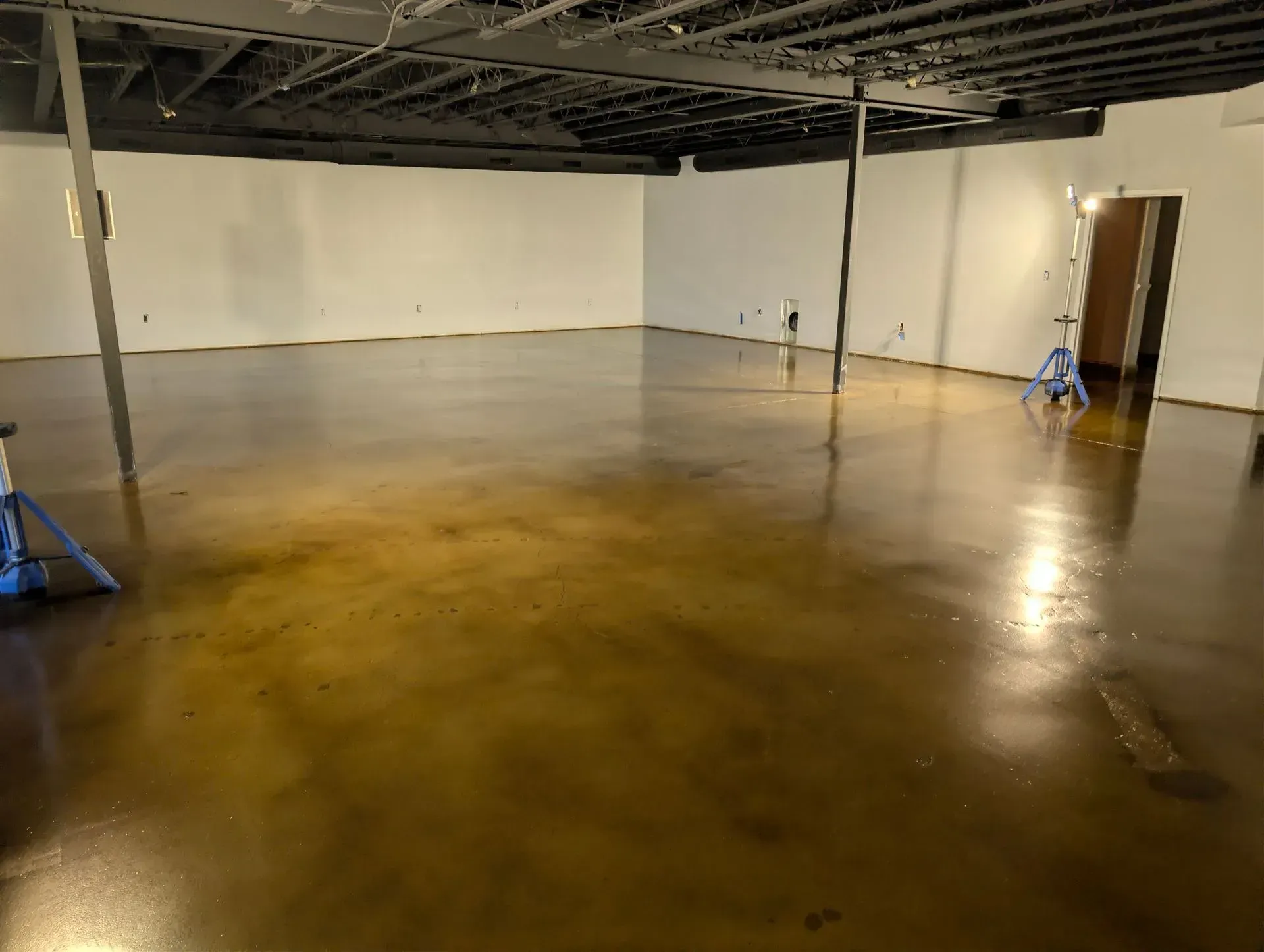
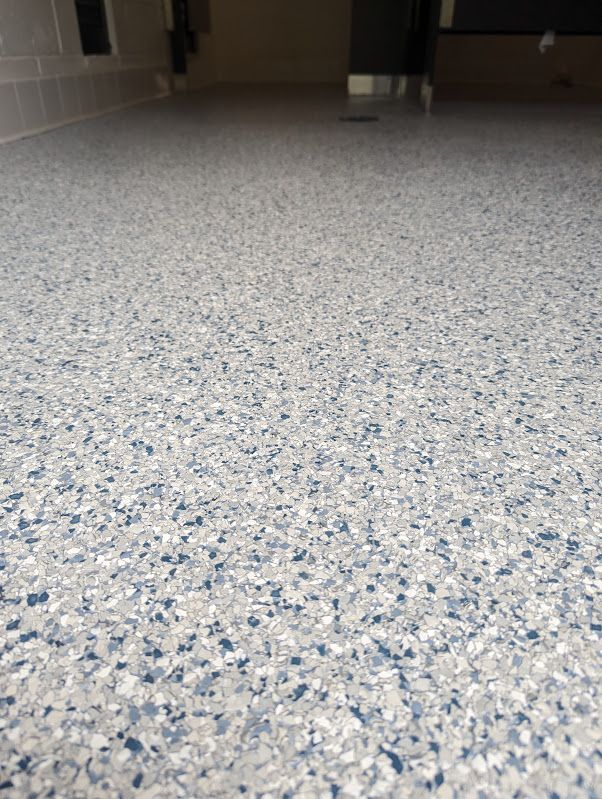
Commercial kitchens have their own specific demands: grease, high heat, constant washdowns, and strict slip-resistance requirements for a food-service environment. On a recent restaurant upfit for El Vaquerito Cocina Mexicana in Blacksburg, SC (completed December 2025), Blastek installed two different systems in the same building — an 800-grit polished concrete finish in the dining room and bar for a smooth, reflective, low-maintenance front-of-house floor, and a double broadcast quartz system in the kitchen, coolers, and back-of-house areas. The kitchen zone needed the texture, grip, and chemical resistance that a food-service back-of-house demands, while the dining room needed a finish built for the visual side of the business — two zones, two systems, specified for what each one actually has to handle.
Matching the System to the Zone
The El Vaquerito project is a good example of how commercial flooring decisions usually work: it's rarely one finish for the entire building. A warehouse floor and its office area often need different systems, and a restaurant's dining room and kitchen almost always do. Specifying each zone correctly up front — instead of coating the whole building the same way — is what keeps a commercial floor from failing early in the areas that take the most abuse.
What Commercial Epoxy Costs
Industrial-grade epoxy systems built for heavy commercial and warehouse use typically run $8.00–$15.00 per sq. ft., reflecting the additional durability and chemical resistance those systems are built for compared to a standard residential coating. Exact pricing depends on the system specified, the square footage, and the condition of the existing slab — which is part of why a site visit matters more for commercial projects than a phone estimate.
Get a Commercial Flooring Quote
Blastek Concrete Designs installs commercial and industrial epoxy and coatings systems for warehouses, restaurants, and commercial kitchens across Spartanburg and the Upstate. Call Toby at (864) 266-8841 or reach out through our contact page to talk through what your space needs.